
Low Cap vs Large Cap: What The Risk Actually Is
Most small-cap tokens never recover their peak values. This comparison examines drawdown depth, liquidity, recovery rates, and position sizing across market cap tiers.
Most small-cap tokens never recover their peak values. This comparison examines drawdown depth, liquidity, recovery rates, and position sizing across market cap tiers.

A clear beginner guide to crypto investing, covering budgets, coin research, wallets, exchange fees, taxes, risk checks, and a simple monthly routine.
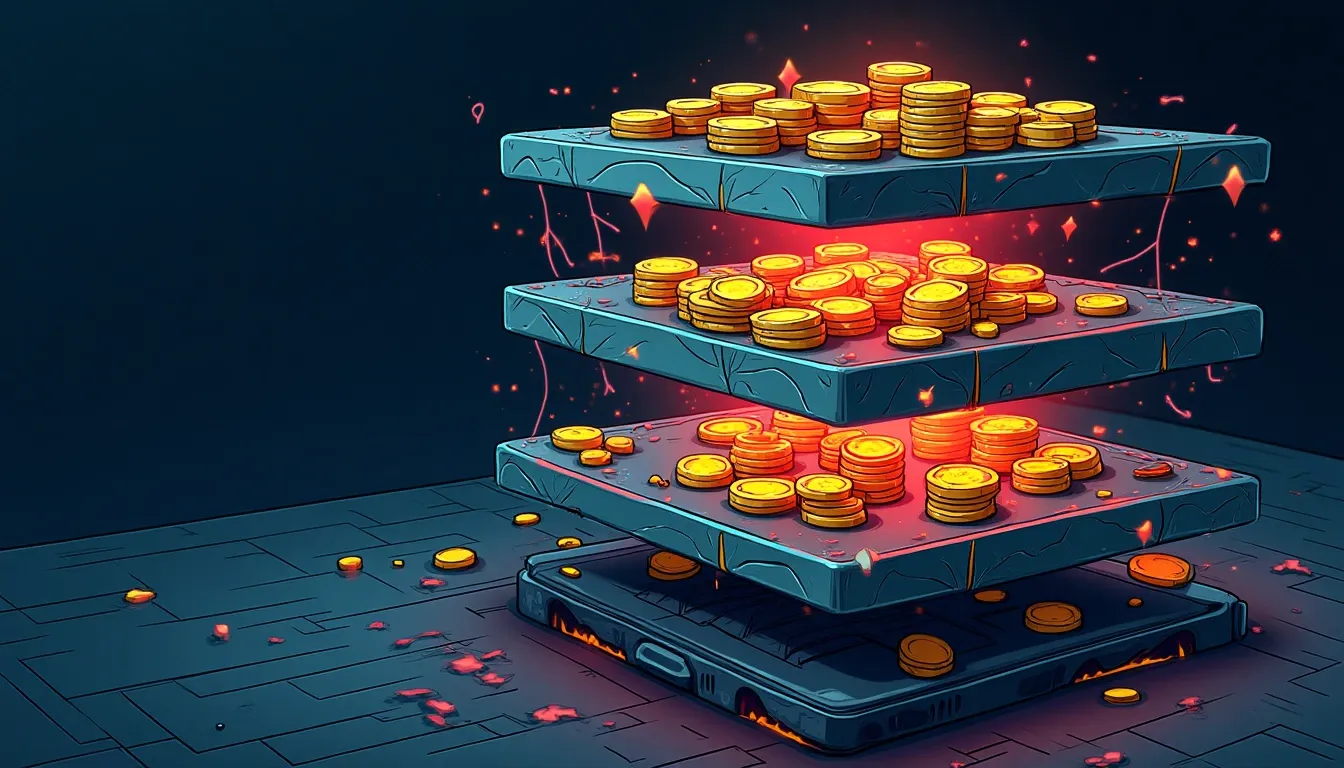
Restaking yield stacks three layers: base staking, AVS payments, and points programs. Each has a different source and failure mode. Here is what happened the last time TradFi tried this.

If the reason to hold cannot be written as something that could be proven false, it is not a thesis. Here is what to measure, and at what level to act.
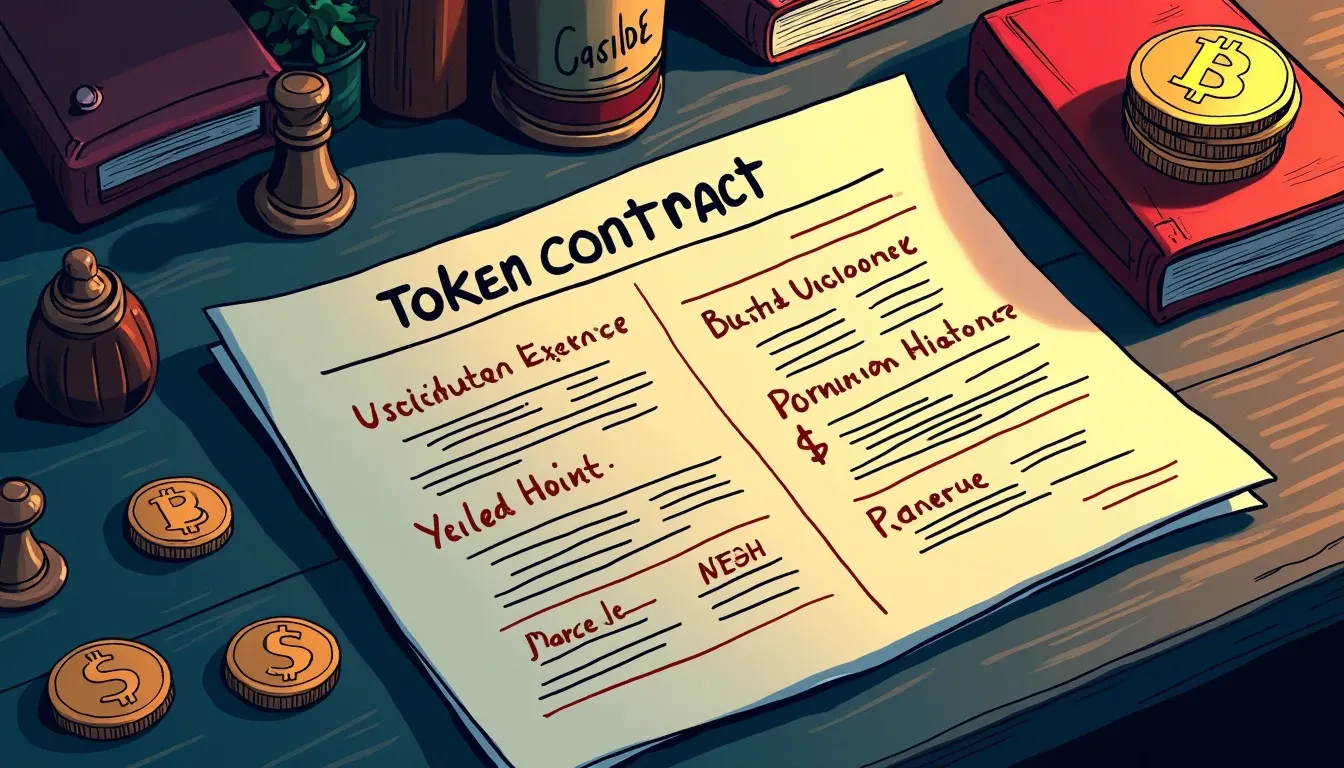
A protocol earning $2M a year does not mean its token does. The two questions are separate and most projects deliberately blur them. Here is how to check.
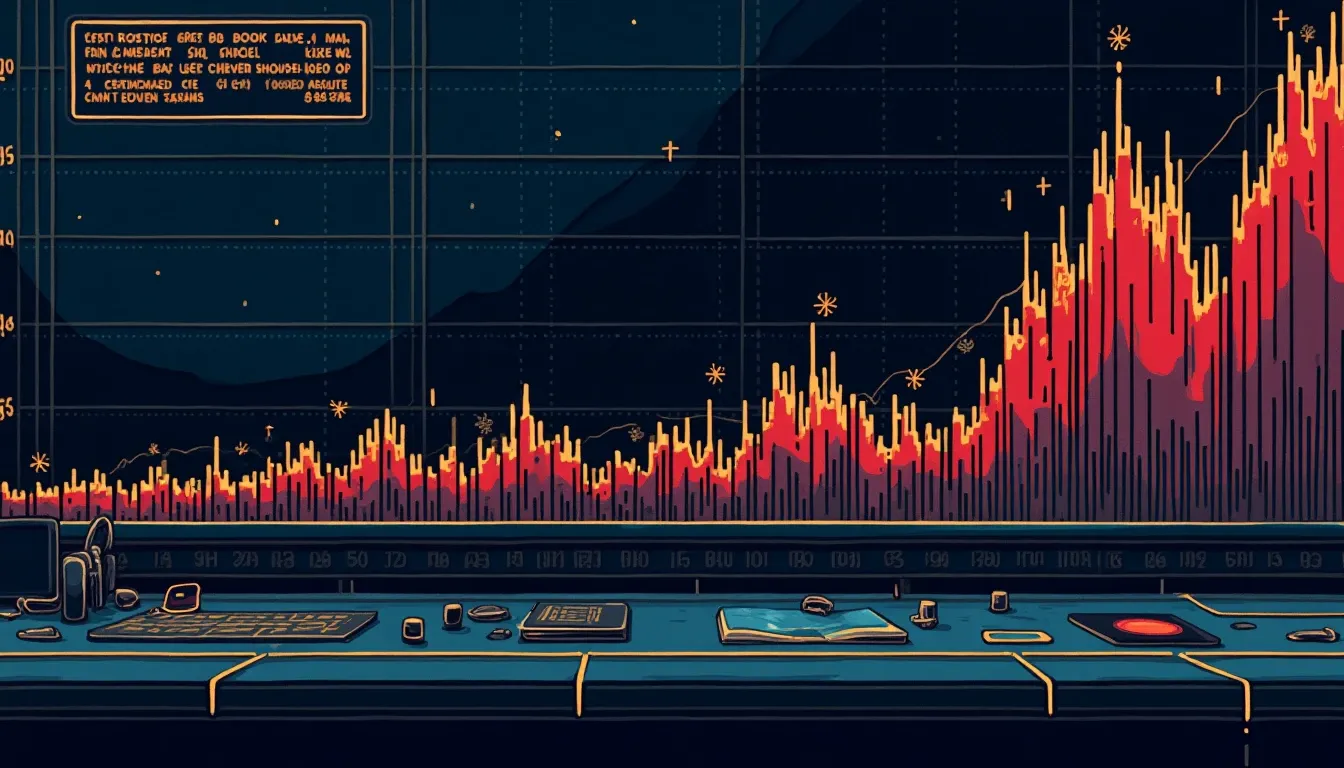
Daily volume measures activity, not exit capacity. For small caps, the question that matters is whether the pool can absorb your position without collapse.
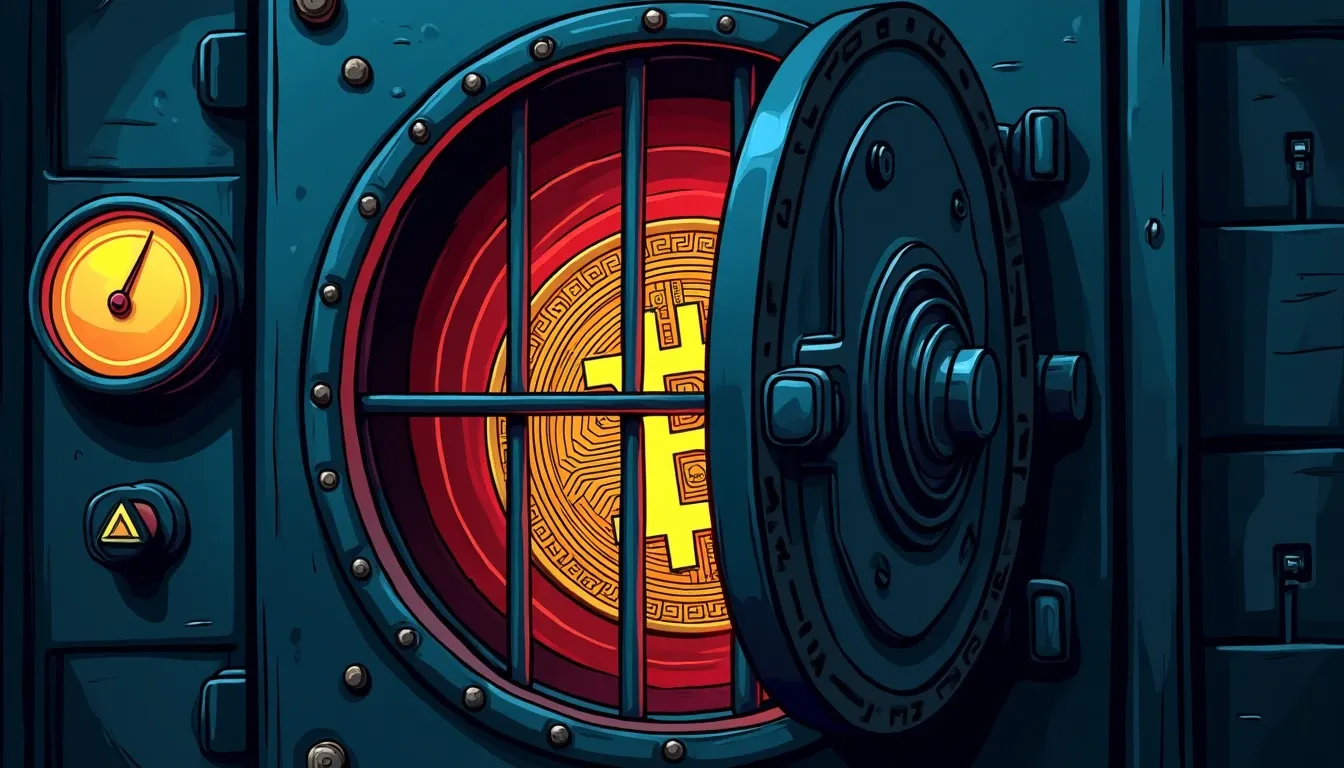
Borrowing defers tax but introduces liquidation risk. The LTV that looks safe at 50% becomes dangerous after a 40% drawdown. Here is what breaks a crypto loan.

Morpho Blue's 650-line immutable core has undergone 25+ audits and manages $10.7 billion. The protocol risk is mitigated. The curator risk is not.

Morpho splits lending into immutable markets and curated vaults. Understanding who sets risk parameters and what can take your principal matters before you deposit.
Transaction hashes, cost basis at entry, reward events with dates and prices. What records a DeFi yield position needs years later, and why exchange exports fail.
Flash loans are the only genuinely uncollateralized crypto borrowing, but they repay within one transaction. Everything else is overcollateralized or a scam.
Koinly, CoinLedger, CoinTracker, and Crypto Tax Calculator differ on DeFi support, pricing structure, and jurisdiction coverage. Here is what each handles.
As the Web3 market continues to evolve beyond purely speculative tokens, new projects are increasingly being challenged to demonstrate what users can actually do inside their ecosystems.
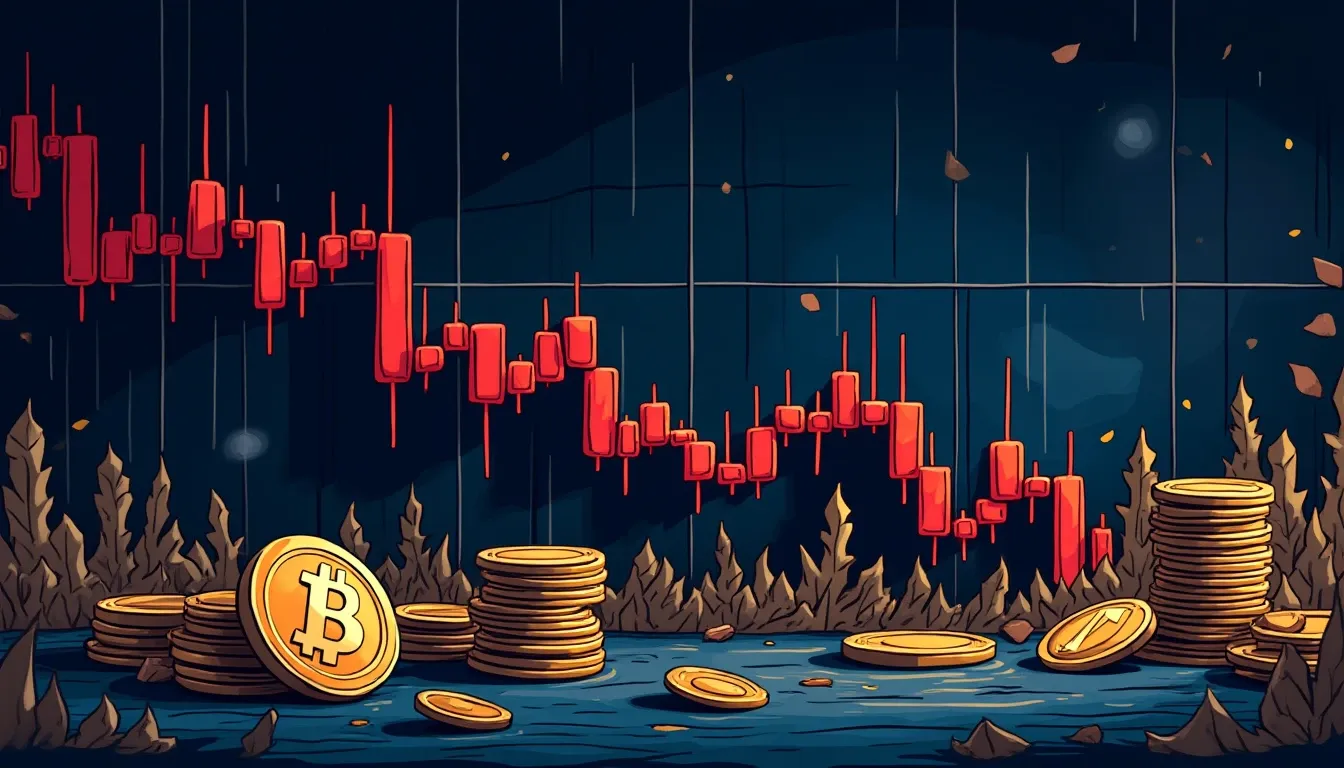
Every depeg looks obvious afterward. The signals that mattered were visible beforehand, but ambiguous. Here's what was actually observable at the time.

The tax is rarely the problem. The records are. What to capture at the moment of each DeFi transaction, why exchange exports fail, and how to reconstruct.
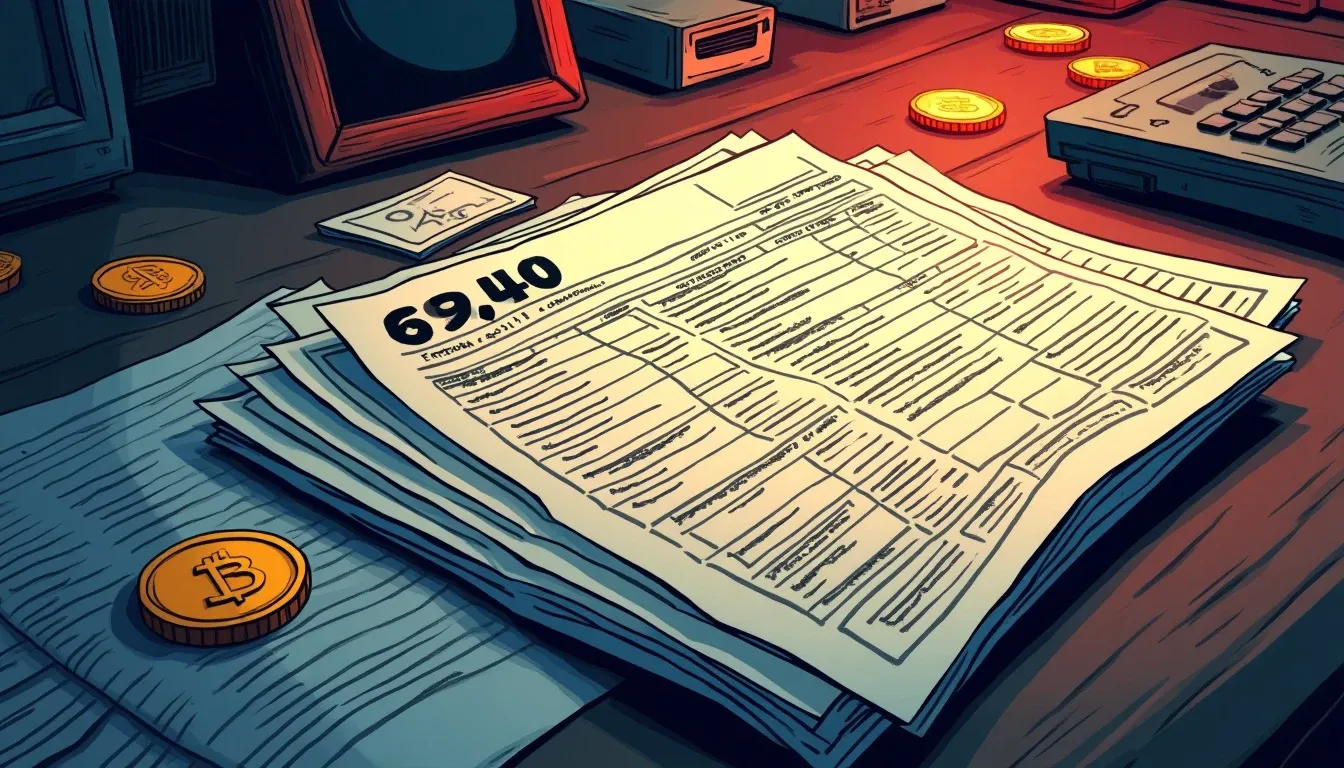
Most crypto tax software handles trades. Almost none handle rebasing LSTs, LP positions, or multi-chain DeFi correctly. We tested on the hard cases.