
Featured


OCC Stablecoin Rules Leave Yield Open. That Matters Most Outside the US.
The OCC finalized GENIUS Act rules for payment stablecoins on October 21, blocking issuer interest but leaving exchange yield programs in regulatory limbo until January 2027.

Tokenized Stocks Face a Corporate Actions Test That Blockchain Alone Cannot Solve
Tokenized stocks promise faster settlement, but dividends, voting rights and corporate actions could determine whether blockchain-based equities gain institutional trust.

ICX Global Puts Leverage and Clarity Side by Side
ICX Global review covering its multi-asset trading platform, available markets, account tiers, leverage, trading tools, fees, and key risks.

Yield Has a Rate. Funded Trading Has a Rulebook.
A lending APY and a funded trading account both promise crypto income, but one prices your capital and the other prices your fee. The units do not match.

Gaming, Streaming, Reading, or Scrolling? Choosing Entertainment for Your Free Time
When the day finally slows down, how do you spend those free moments?
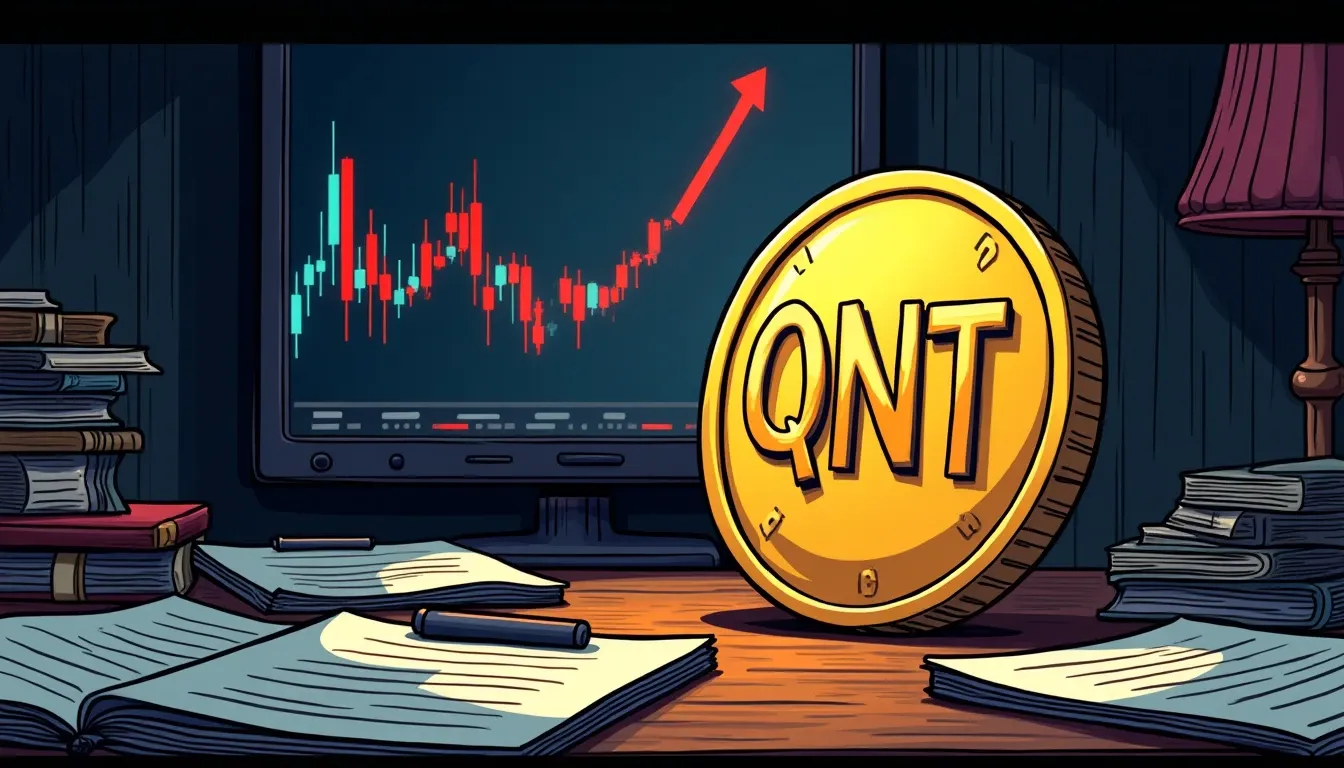
Quant Surges 109.5% in 30 Days on US Banking Partnership
Quant rallied 109.5% over 30 days to $210.13 as The Clearing House selected it to power a US tokenized deposit network for 25 major banks launching in 2027.
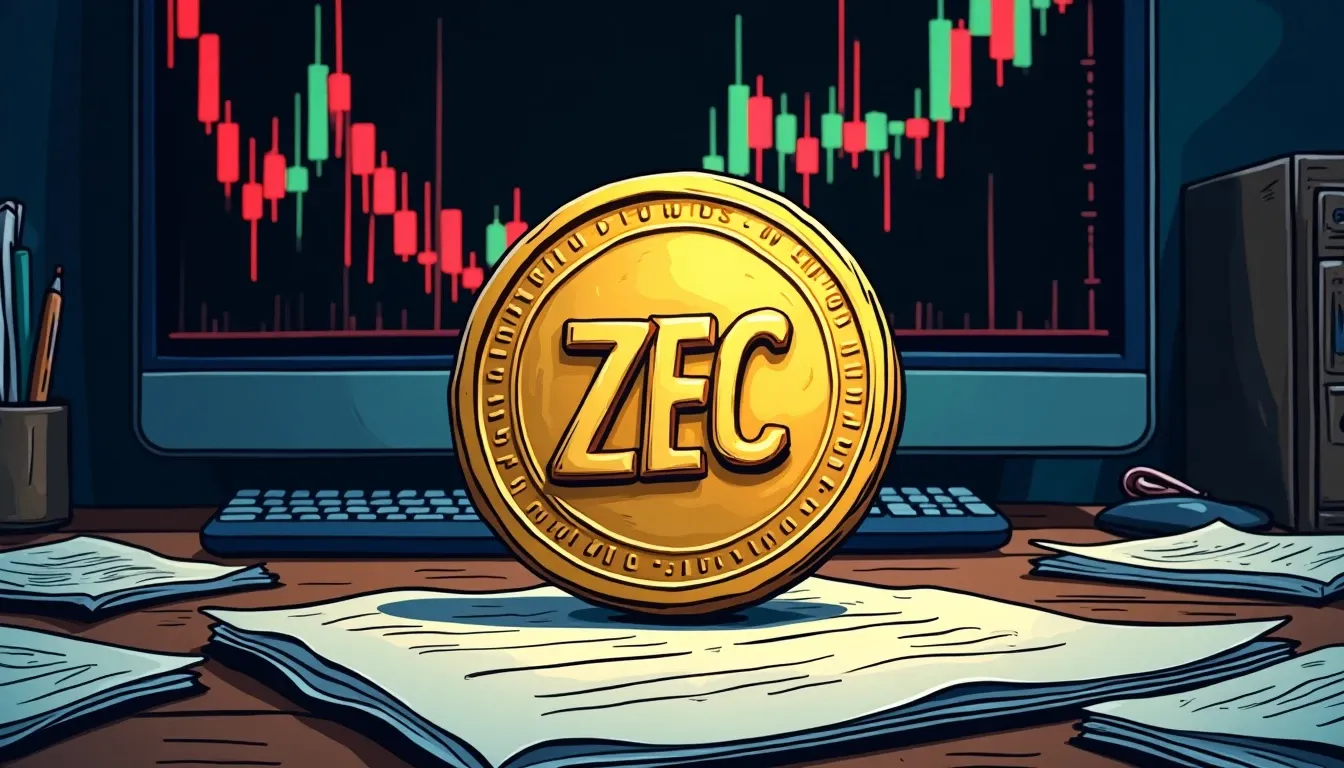
Zcash Jumps 11.7% in 24 Hours as Developers Confirm NU7 Date
Zcash climbed 11.7% to $1,316.52 as developers agreed on a November 5 activation date for the NU7 upgrade that triples transaction speed, but the move came on leverage and ETF outflows.

NEAR Protocol Surges 118.2% in 30 Days on ETF Launch
NEAR Protocol rallied 118.2% over 30 days to $5.37, driven by the September 29 launch of the first spot NEAR ETF and surging cross-chain Intents volume.
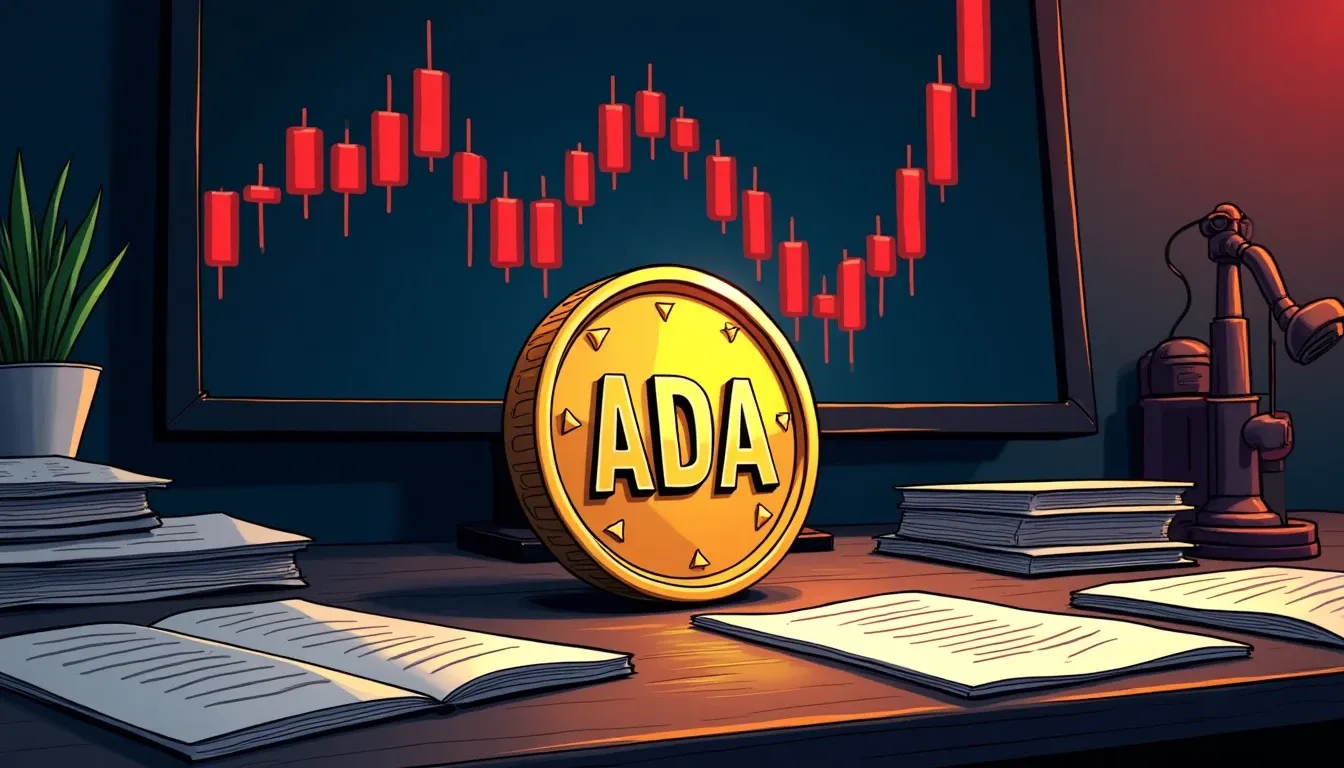
Cardano Surges 12.1% in 24 Hours on RealFi Launch and Technical Momentum
Cardano climbed 12.1% to $0.274363 as RealFi's October 1 yield launch combined with a golden cross signal, but on-chain DEX volume fell by half, exposing the rally's fragile base.

How To Respond When Jupiter Lend USDC Drops 234 Basis Points
Jupiter Lend USDC fell 234 basis points to 5.73%. On $300k deployed, that costs $7,020 annually. Here is the 30-minute decision framework for migration versus hold.

How To Size Into Curve DOLA-sUSDe At 4.1% On $121M TVL
The DOLA-sUSDe pool holds $60M at 4.28% APY. Here is the staged entry framework that limits impermanent loss risk while capturing yield on exotic pairs.

How To Analyze Sky Lending SKY 1.97pp Drop To 4.65%
Sky's 6.62% to 4.65% rate cut costs $5,910 annually on $300k deployed. The drop reflects governance reallocation, not revenue loss. Here is the analysis framework.
When USDC Rates Drop Across Compound, Jupiter, Uniswap
When Compound V3, Jupiter Lend, and Uniswap V3 all compress 1-3pp in one week, the math determines whether you migrate or hold. Here is the framework.
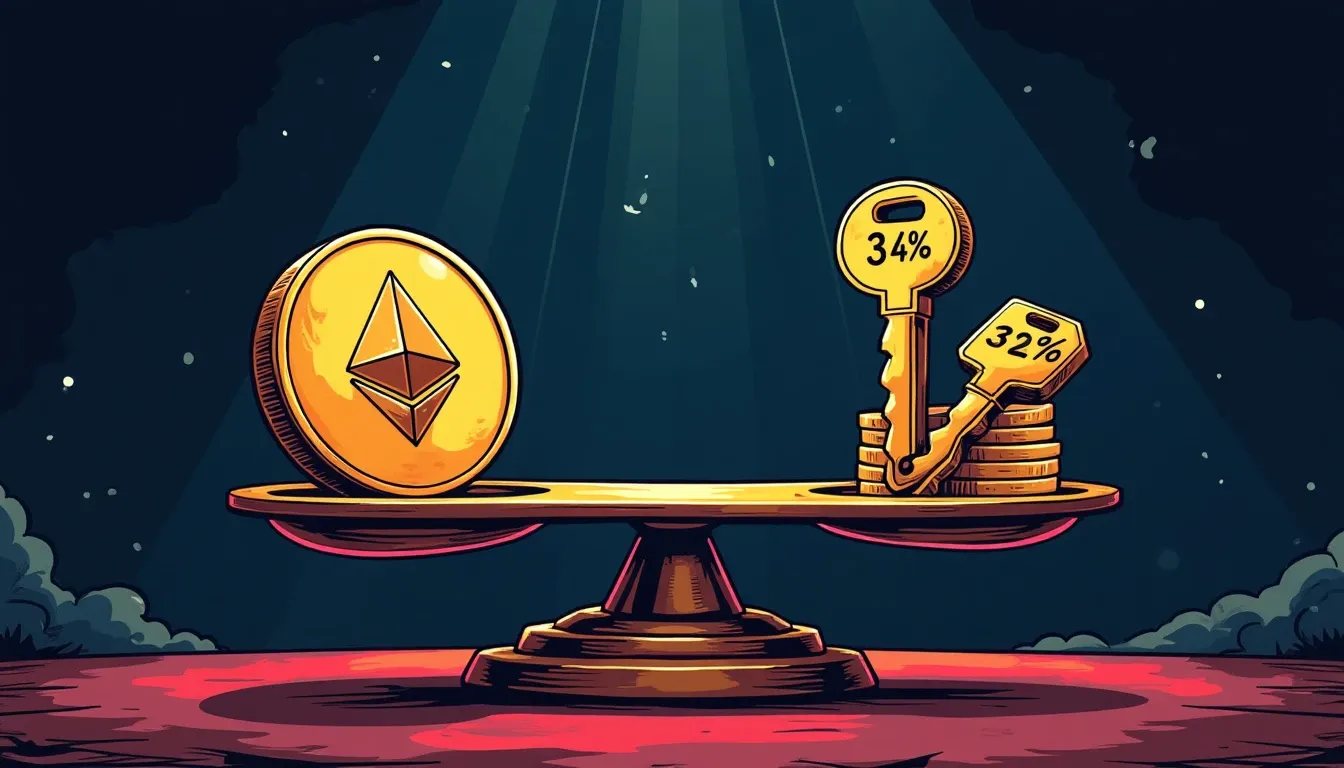
How To Evaluate Spark Savings ETH At 1.45% Versus Staking
Spark Savings ETH pays 1.45% while direct staking earns 2.47%. This assessment framework compares custody, yield composition, and Sky ecosystem risk to help you size positions correctly.
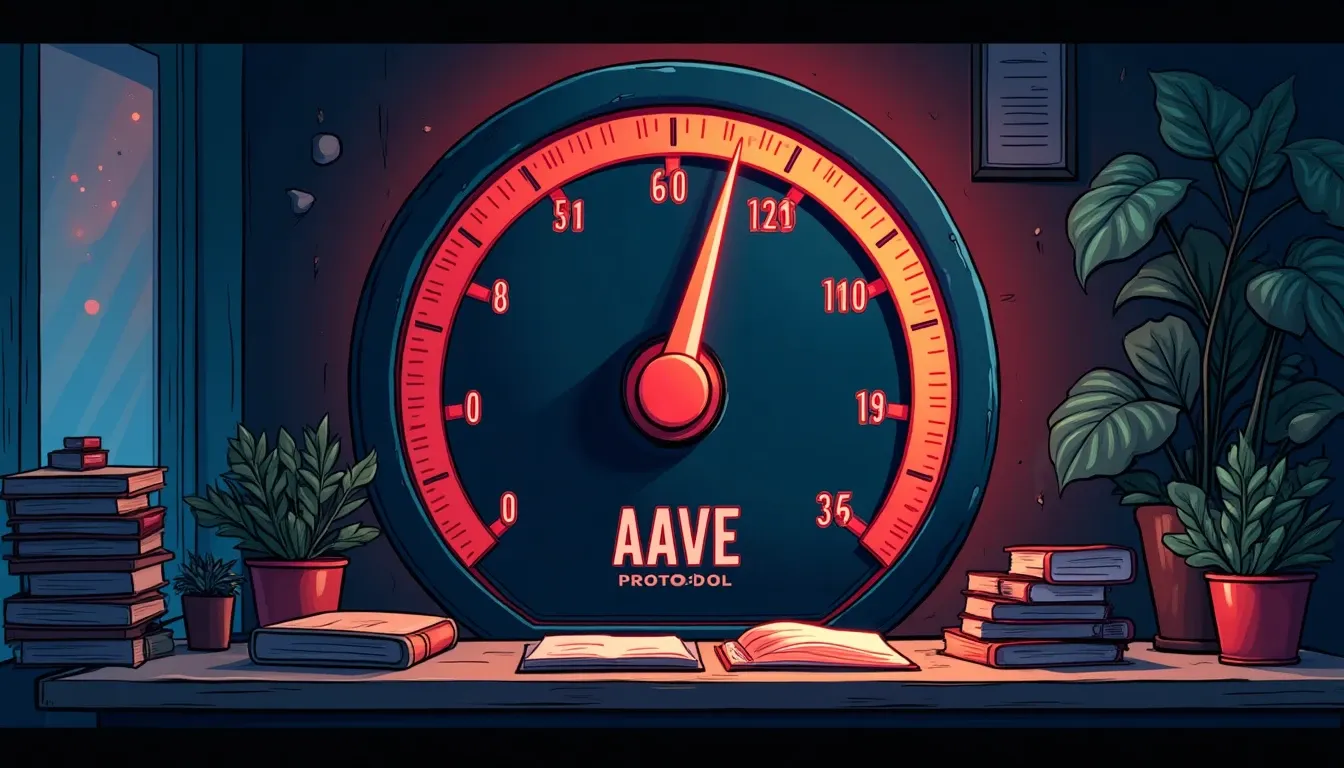
How To Verify Position Safety When Aave V3 Positions Drop From Yield Feeds
A $29M WETH position earning 4.79% disappeared from trackers this week. Tracker removal signals coverage gap, not protocol insolvency. Here is how to verify safety directly.

What Staking Means: Validation, Yield Sources, And Real Returns
Staking locks capital to secure proof-of-stake networks. Validators earn inflation, fees, and MEV. Nominal APY minus inflation equals real yield. Here's the full mechanism.

How To Stake Crypto: Minimum Amounts, Lock Periods, And Net Yield After Costs
Ethereum requires 32 ETH to solo stake, Solana locks for 2-3 days, Cardano has no unbonding. Here are the real minimums, lock periods, and net yields after fees.
NFT Staking Custody Models Compared: Escrow vs Delegation
Escrow staking locks your NFT in a contract. Delegation keeps it in your wallet. Metadata flagging preserves full liquidity. The custody model determines what you lose.

NFT Royalty Enforcement: On-Chain vs Marketplace Policy
OpenSea sees 30-50% seller compliance on optional royalties. Blur sees 10-20%. ERC-2981 enforces nothing. Here's what creators actually collect from secondary sales.
NFT Crypto Income: Royalties, Staking, Lending, And Why Most Generate No Yield
Most NFT income strategies fail because 95% of collections lack revenue models. Royalties, staking, and lending each work differently, and most deliver zero cash flow.

NFT Collateral Lending: BendDAO vs NFTfi vs Arcade Compared
BendDAO, NFTfi, and Arcade differ on LTV ratios, liquidation thresholds, and oracle dependency. Only blue-chip collections have real borrowing depth.

Top 10 Wallets For Multi-Chain Yield: Chain Coverage And Signing Speed Ranked
Trust Wallet supports 250+ networks. Ledger firmware covers 15,000 assets. But chain count means nothing if your wallet can't sign fast enough to catch yield windows.

Ledger Supply-Chain Implant Drained $102M from Wallets
A hardware implant embedded in Ledger devices sold through CryptoBilis transmitted recovery phrases over LTE, draining $102M from 324 wallets across six networks.

Tangem Wallet Review: Card Hardware For Multi-Chain Yield
Tangem's NFC card model costs $59.90 but removes transaction screens, creating phone-trust dependencies that matter when you're signing across eight positions weekly.

Best Web3 Wallets For Managing Yield Positions Across Chains
Most wallet comparisons ignore what matters for yield capital: transaction simulation accuracy, RPC privacy leaks, and multi-L2 balance tracking under real load.
How To Calculate Maximum Exit Size For Low Cap Tokens
A 15% APY on a low cap token means nothing if slippage eats 20% on exit. Here is the methodology for calculating how much you can sell before liquidity runs out.

Liquidity Bootstrapping Pools: What They Tell You About Launch Intent
LBPs use declining price curves to discourage front-running and reveal fair value. Understanding the parameters tells you whether the team intends extraction or distribution.
How To Check Who Really Holds A Token
Top-10 holder percentage is meaningless until exchange and treasury wallets are excluded. Here is how to do that exclusion properly on Etherscan and Solscan.
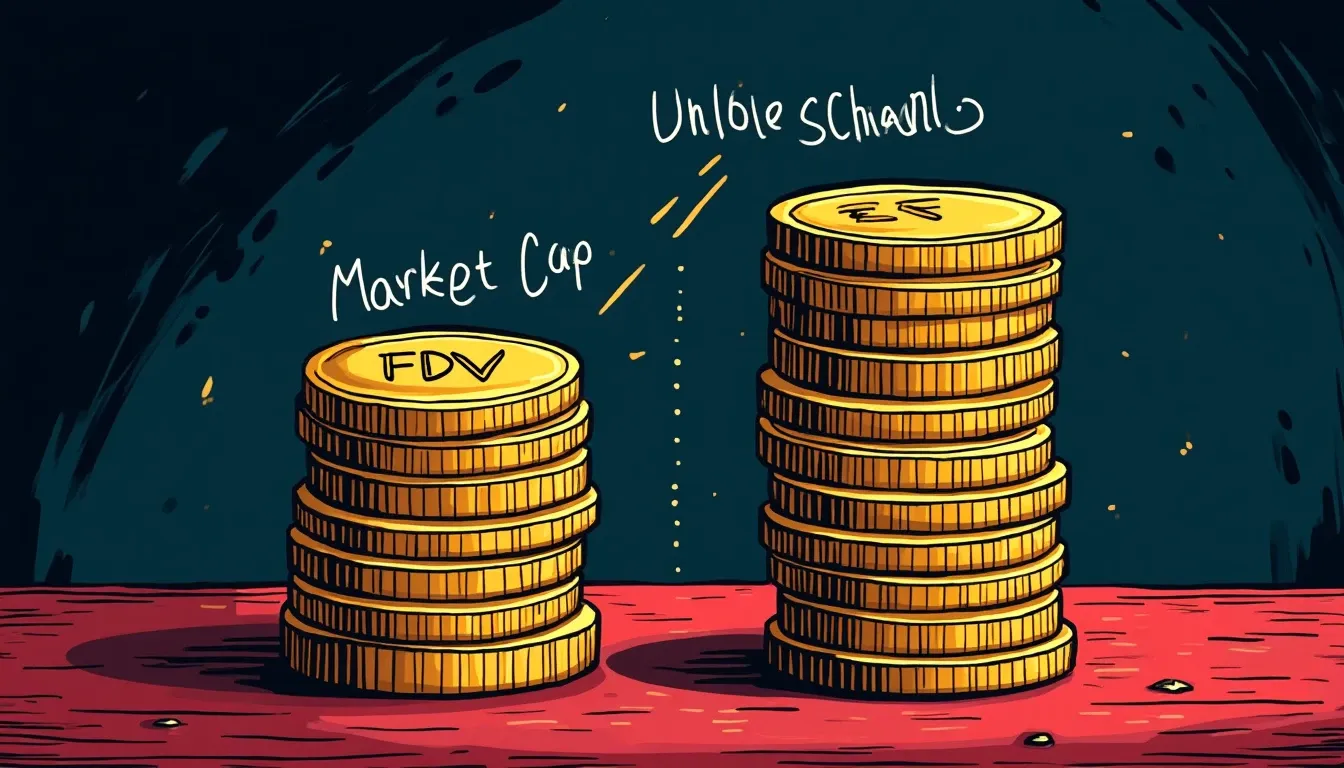
Market Cap vs FDV: The Number That Costs Retail Money
The gap between market cap and fully diluted valuation warns you about dilution ahead. Most low-cap losses are not thesis failure but unlocked supply.

Crypto Trading Bots For Yield Position Rebalancing: When Automation Helps And When It Destroys Returns
Most trading bots bleed yield positions through fees and slippage. Ten percent of automation helps - alerts, gas timing, execution splitting. The rest destroys returns.

The Best Free Crypto Trading Bots Actually Worth Using In 2026
Pionex, Freqtrade, and Hummingbot are genuinely free. Most alternatives cut you off after 14 days. Here's what you actually get without paying a subscription.

Arbitrage Bots: Why The Real Opportunity Is Smaller Than It Sounds
Retail arbitrage is largely competed away by market makers with faster infrastructure. Here is where genuine retail-scale arbitrage still exists, what it actually pays, and why 90% of advertised yield is unsustainable.

Where The Profits In Crypto Trading Bots Actually Come From
Most bots capture spread, extract funding rate, or sell subscriptions. The profit source defines what breaks it. Here's the decomposition by category.
How To Respond When Jupiter Lend USDC Drops 234 Basis Points
Jupiter Lend USDC fell 234 basis points to 5.73%. On $300k deployed, that costs $7,020 annually. Here is the 30-minute decision framework for migration versus hold.
When USDC Rates Drop Across Compound, Jupiter, Uniswap
When Compound V3, Jupiter Lend, and Uniswap V3 all compress 1-3pp in one week, the math determines whether you migrate or hold. Here is the framework.
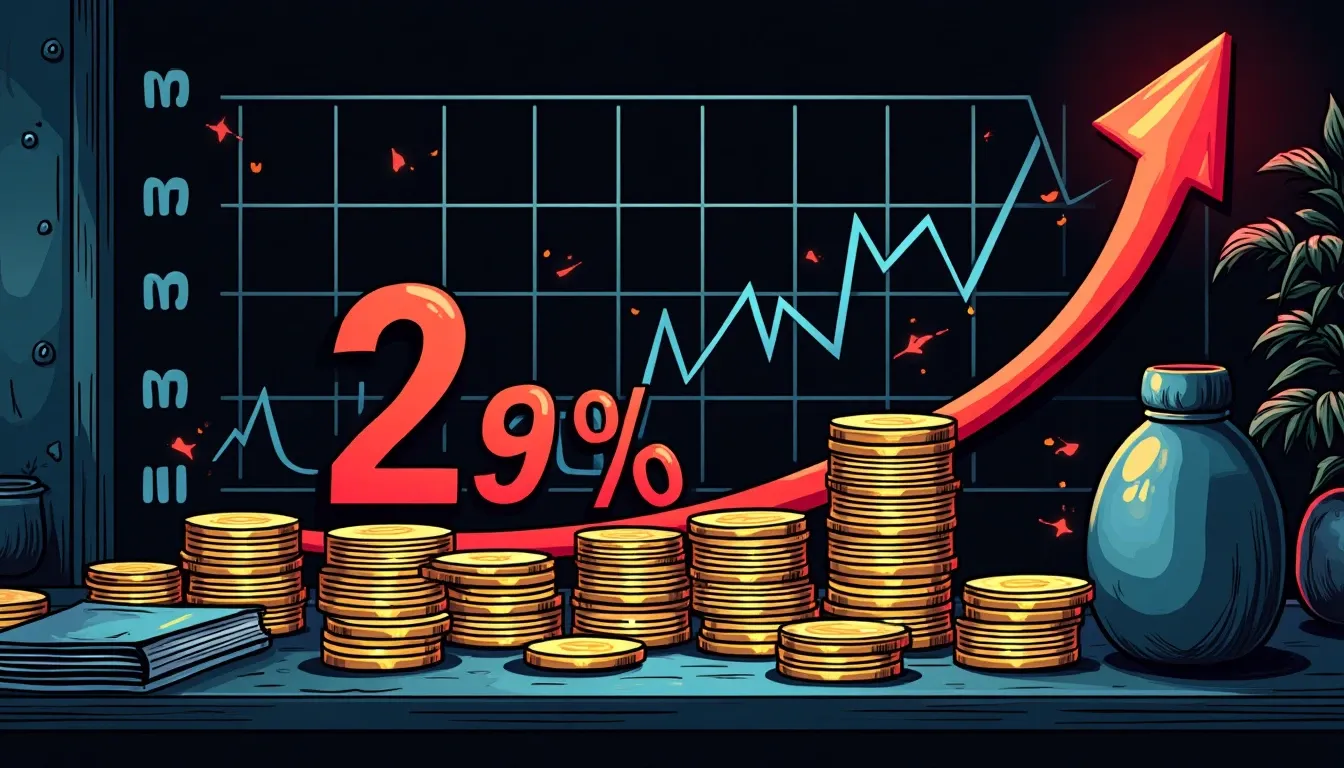
How To Respond When Compound V3 USDC Drops 2.89 Points
Compound V3 USDC dropped from 6.12% to 3.23% on $39M TVL. On $200k, staying costs $4,540 annually versus moving to a 5.5% alternative. Here is the migration math.
OCC Stablecoin Rules Leave Yield Open. That Matters Most Outside the US.
The OCC finalized GENIUS Act rules for payment stablecoins on October 21, blocking issuer interest but leaving exchange yield programs in regulatory limbo until January 2027.
How To Evaluate Spark Savings ETH At 1.45% Versus Staking
Spark Savings ETH pays 1.45% while direct staking earns 2.47%. This assessment framework compares custody, yield composition, and Sky ecosystem risk to help you size positions correctly.
How To Verify Position Safety When Aave V3 Positions Drop From Yield Feeds
A $29M WETH position earning 4.79% disappeared from trackers this week. Tracker removal signals coverage gap, not protocol insolvency. Here is how to verify safety directly.
What Staking Means: Validation, Yield Sources, And Real Returns
Staking locks capital to secure proof-of-stake networks. Validators earn inflation, fees, and MEV. Nominal APY minus inflation equals real yield. Here's the full mechanism.
How To Stake Crypto: Minimum Amounts, Lock Periods, And Net Yield After Costs
Ethereum requires 32 ETH to solo stake, Solana locks for 2-3 days, Cardano has no unbonding. Here are the real minimums, lock periods, and net yields after fees.

Cheap Crypto Mining Rig Payback: Used GPU vs ASIC Economics
Most budget mining rigs never break even. Here is the real payback math for $500-$2000 setups using used GPUs versus entry ASICs at current difficulty and power costs.

Binance Pool Shuts Down, Leaving Miners With Four Weeks
Binance Pool closes Nov. 10 after 65% hashrate drop, forcing miners to choose among three pools that already control 64% of Bitcoin's network.
GPU Mining vs ASIC Mining: Real Income, Breakeven, and Exit
GPU miners retain 40-60% resale value after four years. ASICs drop to 10% after two. That difference changes the entire profitability equation.

How To Calculate GPU Mining Breakeven With Resale Value
Most breakeven calculators ignore resale timing and GPU market cycles. This builds a model that includes both and shows when you have missed the exit.