Best Layer 2 Networks Compared: Which to Use in 2026
Arbitrum leads DeFi, Base leads consumer apps, zkSync leads ZK infrastructure. Here's how TVL, fees, security model, and ecosystem fit determine which L2 you should use.

Gwen brings a unique blend of technical expertise and accessible writing to the world of cryptocurrency with over a decade of experience in fintech and a passion for demystifying complex concepts.
Arbitrum leads DeFi, Base leads consumer apps, zkSync leads ZK infrastructure. Here's how TVL, fees, security model, and ecosystem fit determine which L2 you should use.

Bitget confirmed a $351.6M hot wallet breach via spoofed backend transfer data. Withdrawals remain frozen. Here's the counterparty risk exposure for DeFi users.

Every yield list implies you should move. The arithmetic shows otherwise. Gas, slippage, unbonding, and tax events make most moves unprofitable below $10,000.

Most bots capture spread, extract funding rate, or sell subscriptions. The profit source defines what breaks it. Here's the decomposition by category.
Three platforms paying 3.5%, 3.8%, and 4.7% on USDC carry the same counterparty risk. The gap is brand inertia and fee opacity, not risk difference.

Grid bots profit from range-bound volatility by capturing spreads. The mechanism is sound until the market trends. Here's what breaks it, with real drawdown numbers.

At $5,000 a 1% rate gap costs $50 annually. At $100,000 it costs $1,000. Here is the arithmetic of leaving capital in below-market venues and when switching stops being worth the effort.
Koinly's free plan shows exact gains for 10,000 transactions but gates report downloads. CoinTracker caps at 25 free transactions. Here is what each free tier delivers.
Impermanent loss occurs when providing liquidity to AMMs. The mechanism, worked examples, when fees offset it, and why over 50% of LPs lose money.
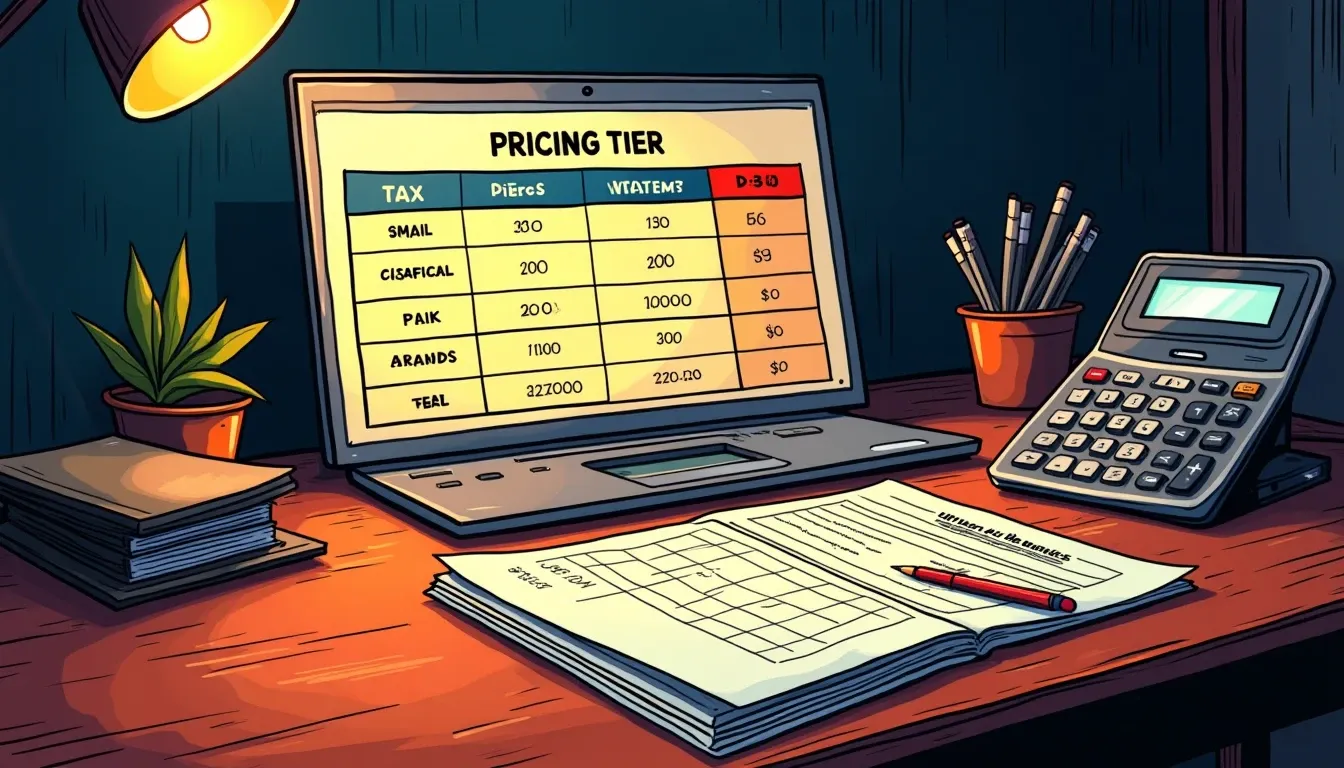
Koinly's tiers look cheap until you count transactions cumulatively. Here is what each vendor actually costs at realistic volumes and where the cheapest option changes.
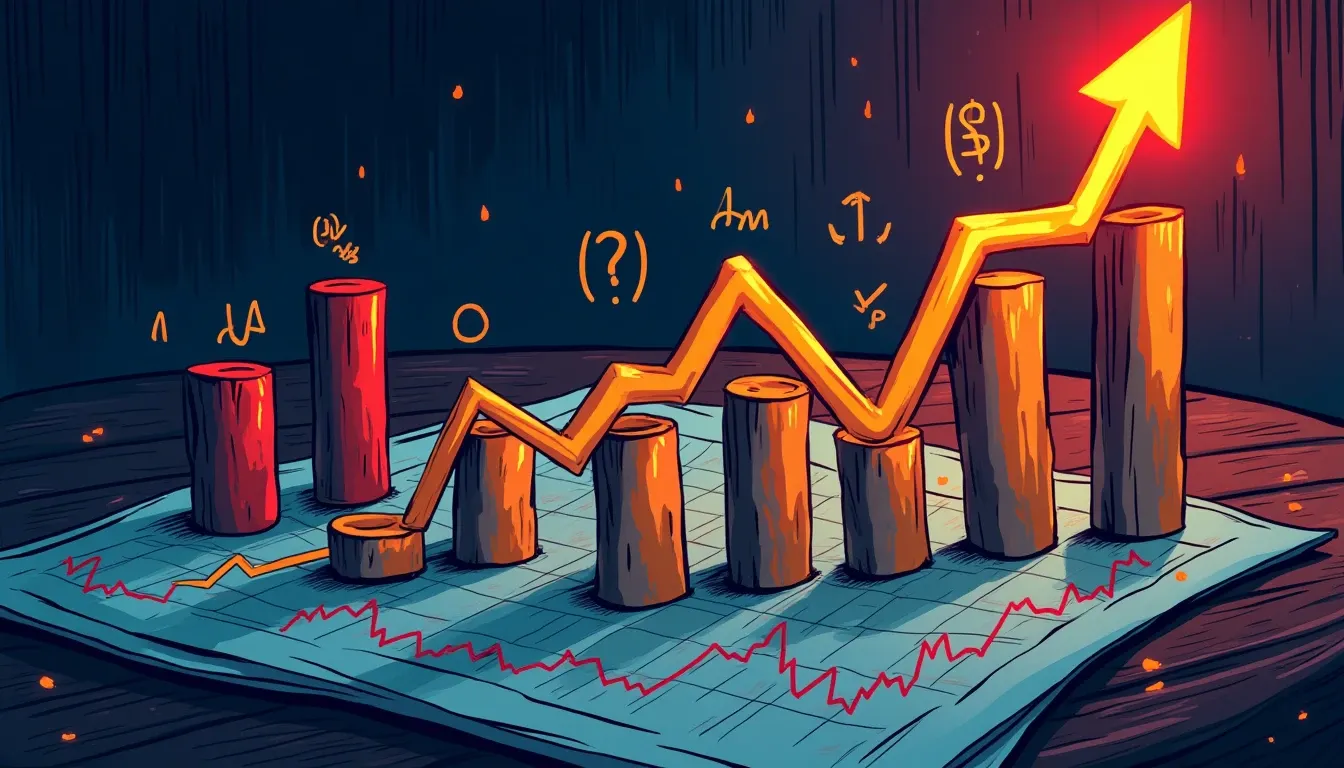
Borrow rates on Aave, Compound, Morpho and Spark differ by utilization curves, collateral factors and liquidation thresholds. What drives the spread.
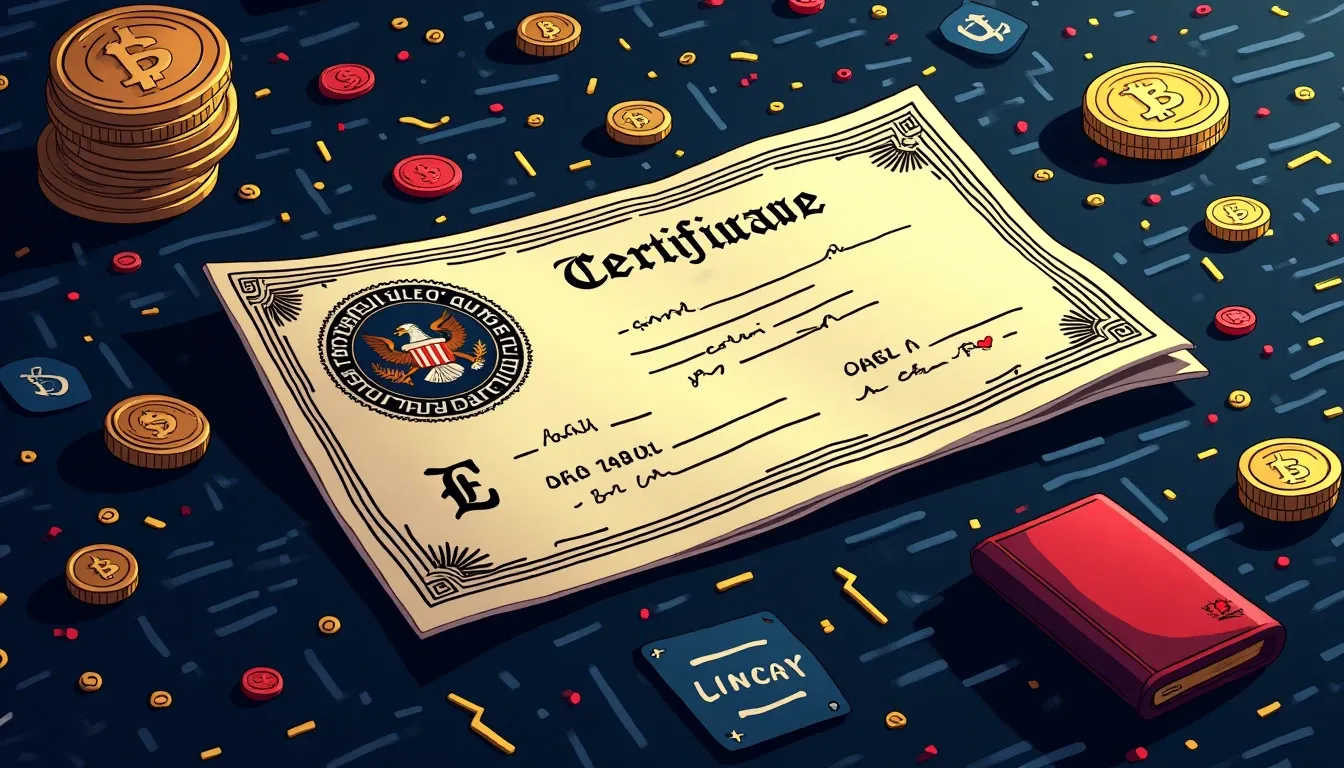
The SEC's innovation exemption allows tokenized U.S. stocks on-chain. This creates new income mechanics for DeFi protocols and stress tests existing offshore products.
Coinbase loans run on Morpho's DeFi protocol, not Coinbase's balance sheet. That changes who holds collateral, how liquidation works, and where you go when something breaks.

Most altcoins fail at marketing. This guide covers community building, exchange listing PR, and how Web3 projects reach retail investors.

Five conditions justify exit: TVL diverging from market, yield rising without mechanism explanation, audit expiration, team silence, yield source mutation.
32 ETH minimum, 24/7 uptime, hardware costs, and fee drag. Here's the break-even calculation between solo and pooled ETH staking after all costs.