How To Size Into Curve USDC-RLUSD At 5.81% Within One Week
The Curve USDC-RLUSD pool offers 5.81% APY on $96M TVL. Here is the staged entry framework that captures 80% of yield while capping launch-week risk to 10%.
The Curve USDC-RLUSD pool offers 5.81% APY on $96M TVL. Here is the staged entry framework that captures 80% of yield while capping launch-week risk to 10%.
The CRVUSD-WBTC pool jumped 1.42 percentage points to 3.67% this week on $68M TVL. Here is the allocation framework that accounts for small-pool risk, impermanent loss, and fee sustainability.
The WBTC-WETH pool jumped 1.68 percentage points to 6.65%. Before you overallocate, here is the range width, gas cost ceiling, and IL exposure framework.
The DOLA-sUSDe pool holds $60M at 4.28% APY. Here is the staged entry framework that limits impermanent loss risk while capturing yield on exotic pairs.

Compound V3 USDC jumped to 6.07% on $35M TVL. Before you allocate, calculate exit liquidity risk, utilization ceiling, and maximum safe position size.
The Curve USDC-RLUSD pool pays 4.33% on $96M TVL. RLUSD launched six months ago. Here is the 72-hour vetting protocol before you allocate capital.
The USDC-RLUSD pool offers 4.61% on $61.3M TVL. RLUSD is one year old. Here is the 72-hour vetting protocol before you allocate capital to any new Curve pool.

Airdrop farming costs $150-$3,000 in gas and capital across six months. Many campaigns return less than you spend. Here is the real cost breakdown by chain.
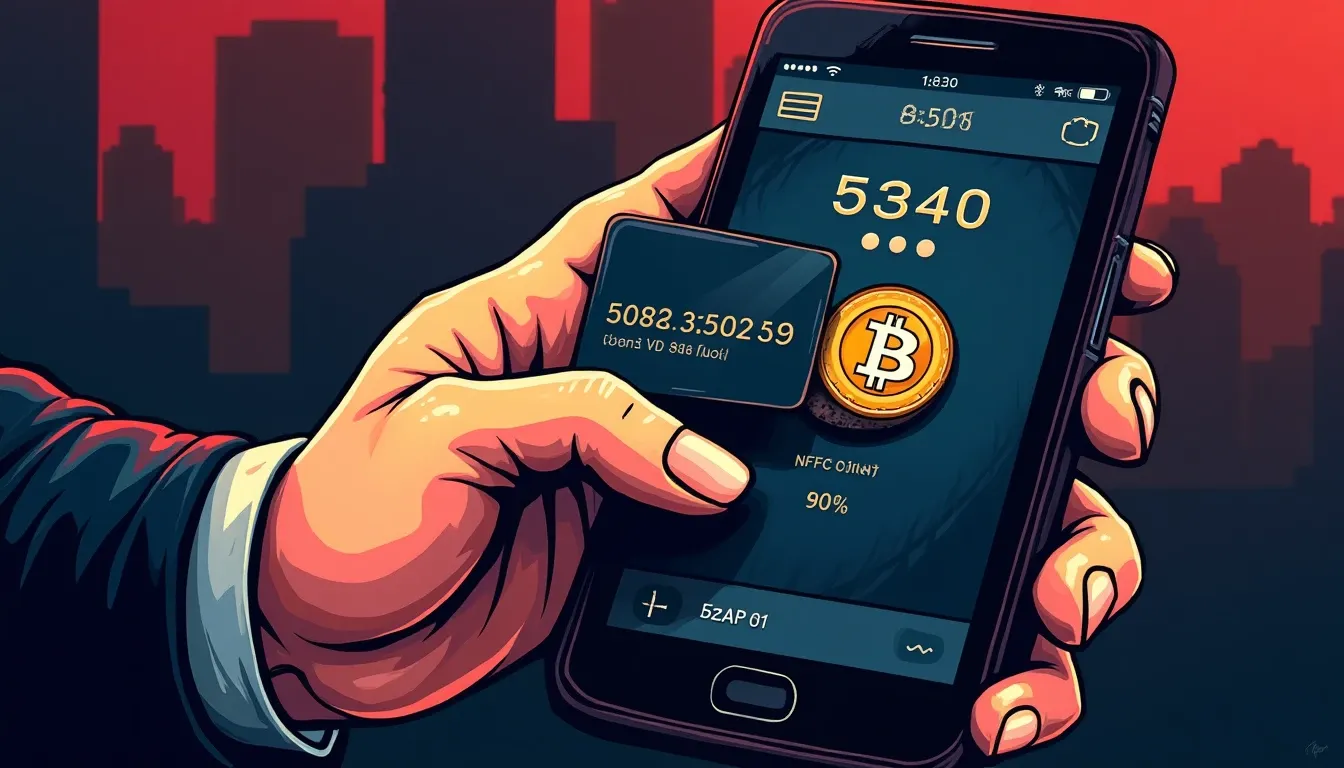
Tangem's NFC card model costs $59.90 but removes transaction screens, creating phone-trust dependencies that matter when you're signing across eight positions weekly.

LBPs use declining price curves to discourage front-running and reveal fair value. Understanding the parameters tells you whether the team intends extraction or distribution.

IDO marketing advertises 500x Day-1 returns. The median 12-month return across full 2021-2023 cohorts, survivorship-adjusted, tells a different story.
Real yield comes from protocol fees, spread, and external revenue. Fake yield comes from token emissions, subsidies, and recycled deposits. The question that separates them: where does the money actually come from?
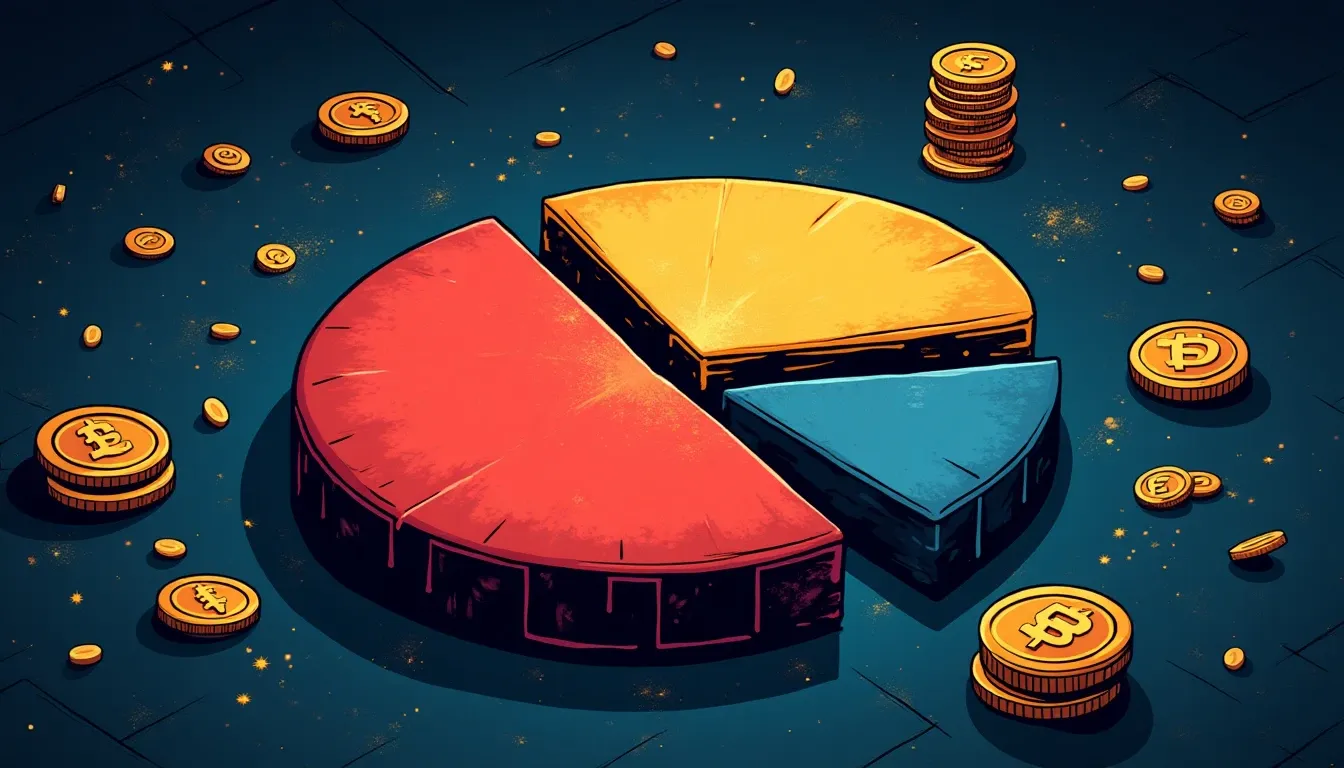
Top-10 holder percentage is meaningless until exchange and treasury wallets are excluded. Here is how to do that exclusion properly on Etherscan and Solscan.
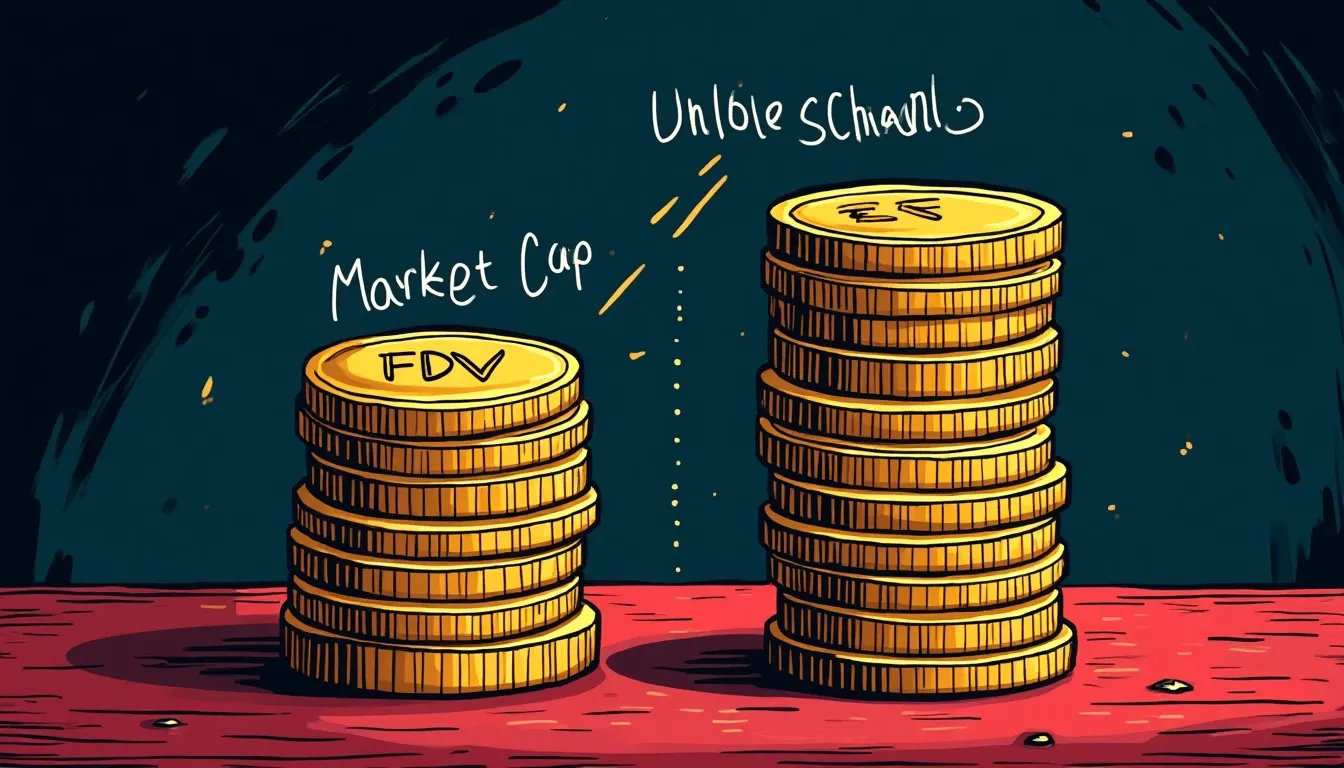
The gap between market cap and fully diluted valuation warns you about dilution ahead. Most low-cap losses are not thesis failure but unlocked supply.
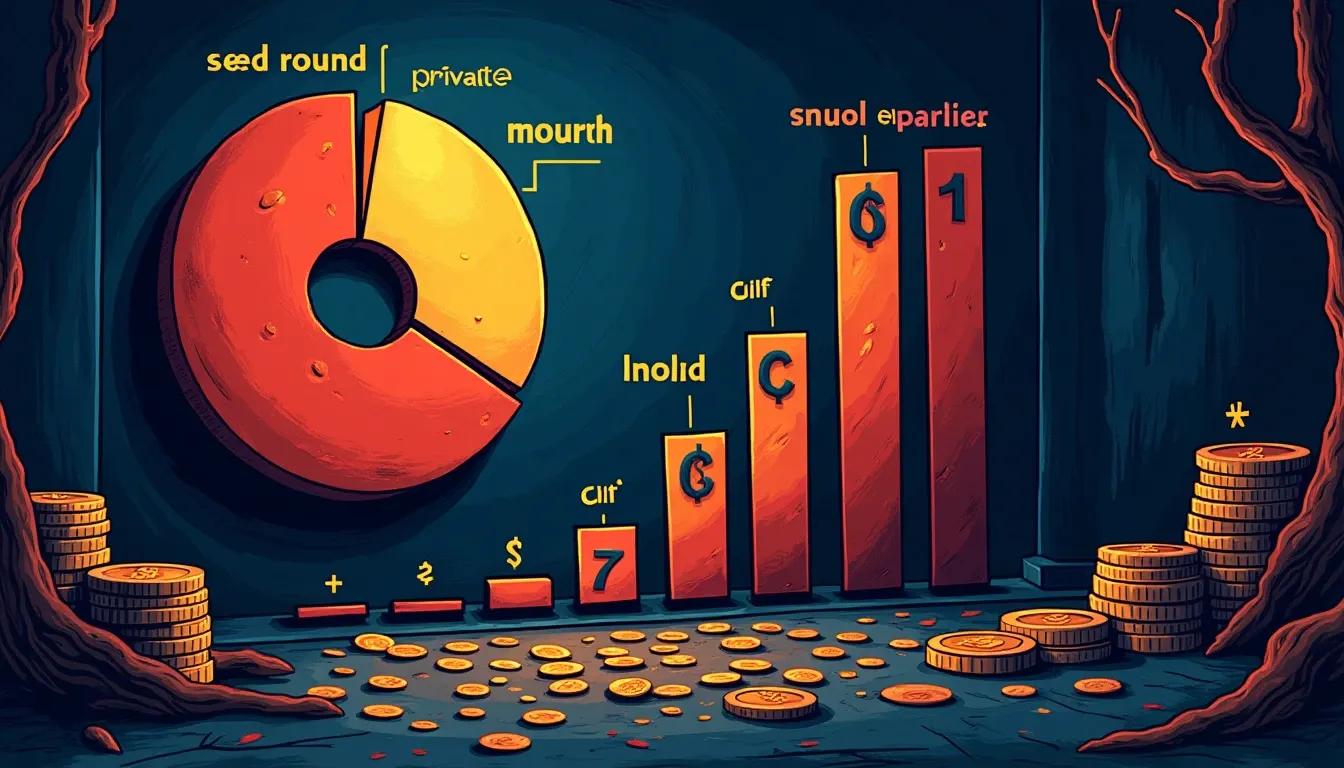
Learn to decode cliff periods, linear unlocks, and allocation tables to predict when insider sell pressure will hit the tokens you stake or LP against.
Launchpads promise early token access. Most deliver 3-28% allocation odds, staking costs that exceed expected returns, and lottery mechanisms where capital locks for weeks with no guarantee.