
How To Stake Crypto: Minimum Amounts, Lock Periods, And Net Yield After Costs
Ethereum requires 32 ETH to solo stake, Solana locks for 2-3 days, Cardano has no unbonding. Here are the real minimums, lock periods, and net yields after fees.
Ethereum requires 32 ETH to solo stake, Solana locks for 2-3 days, Cardano has no unbonding. Here are the real minimums, lock periods, and net yields after fees.
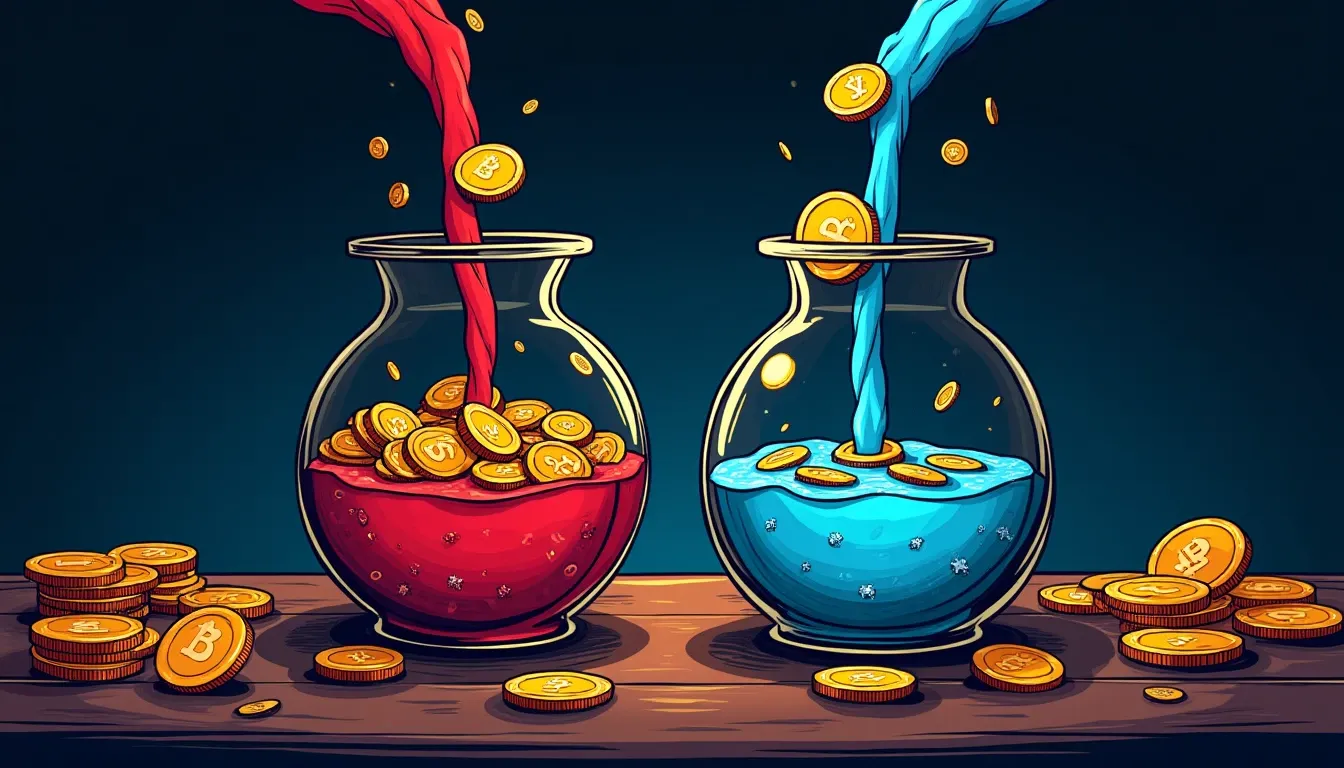
Yield farming pays fees plus token rewards. The fees are sustainable income. The token rewards often dilute. Here's the mechanism breakdown, impermanent loss math, and when farming makes sense.

Form 8949 reports realized crypto losses. The IRS allows $3,000 annually against income, but carryforward mechanics determine multi-year yield positions.
Staking 500 DAO tokens gives you 3% lottery odds. Staking 10,000 gives you 28%. Here is how tier mechanics, multi-wallet limits, and timing shape your real allocation.
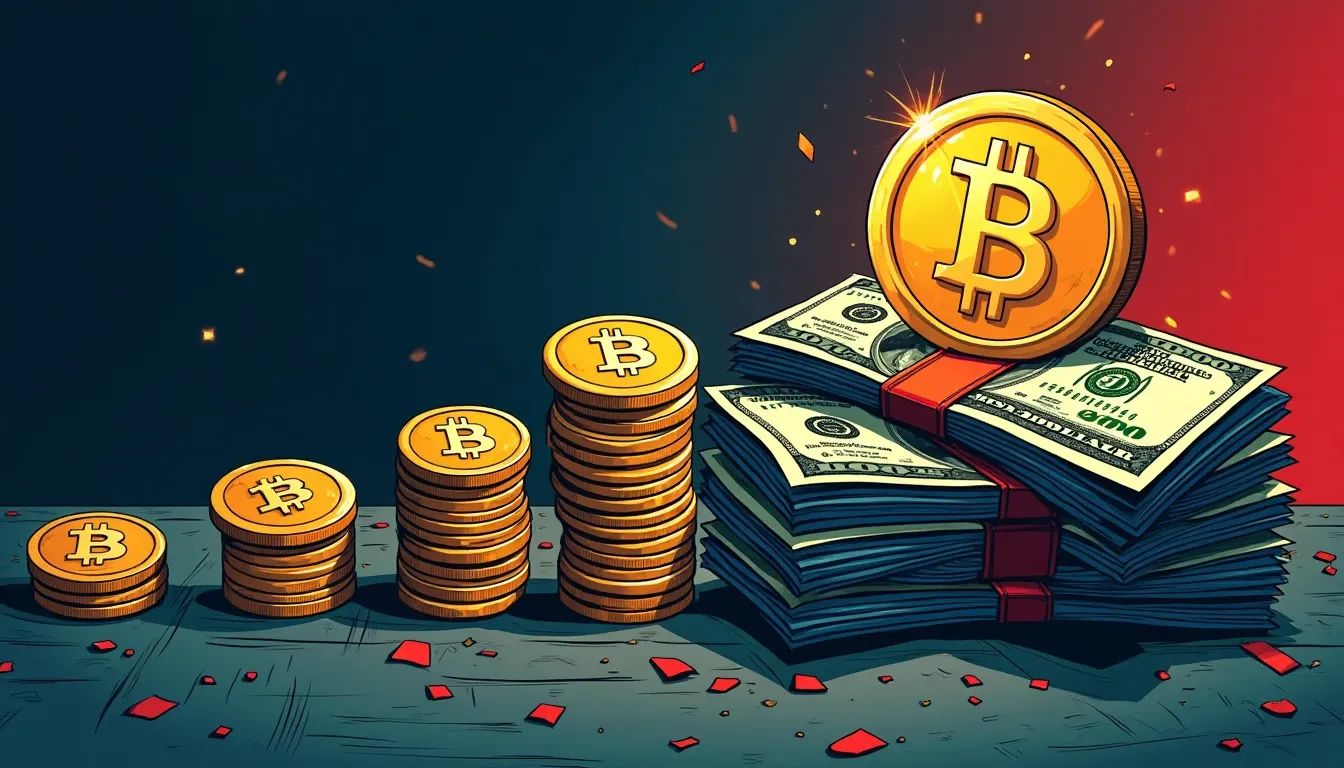
Dollar-cost averaging into Bitcoin underperforms lump sum 66% of the time, yet remains the dominant retail strategy. Here is the frequency, platform, and tax math.
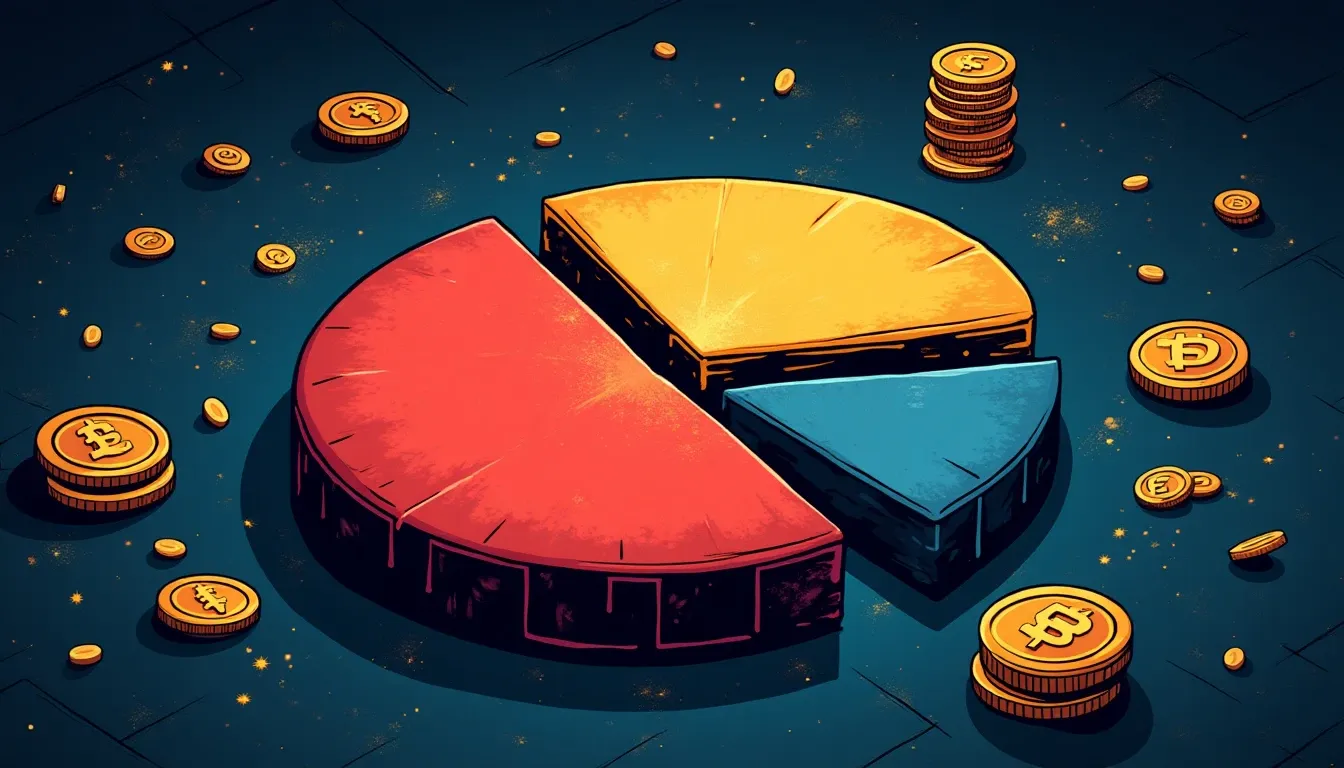
Top-10 holder percentage is meaningless until exchange and treasury wallets are excluded. Here is how to do that exclusion properly on Etherscan and Solscan.
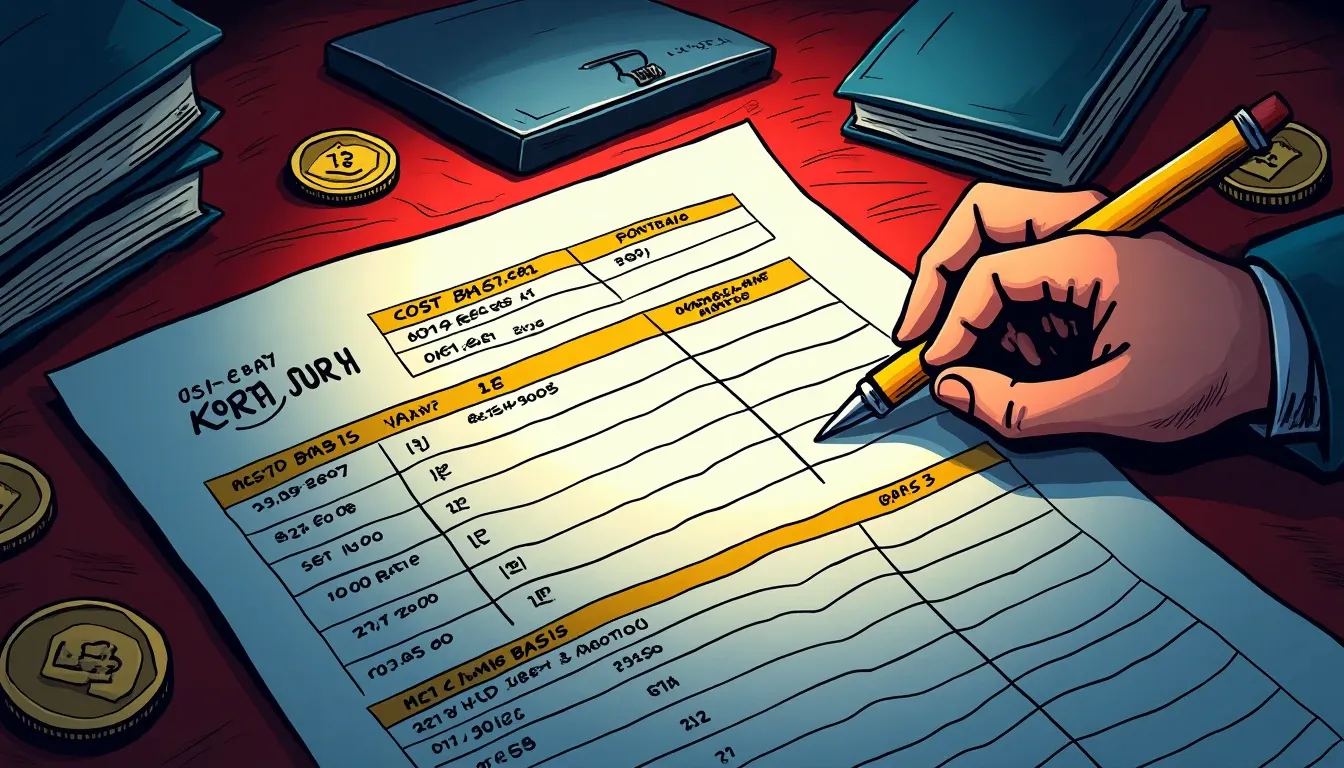
Form 8949 reports crypto capital gains, but cost basis gaps trigger audits or overpayment. Here is how to track basis across wallets, classify yield correctly, and file without errors.
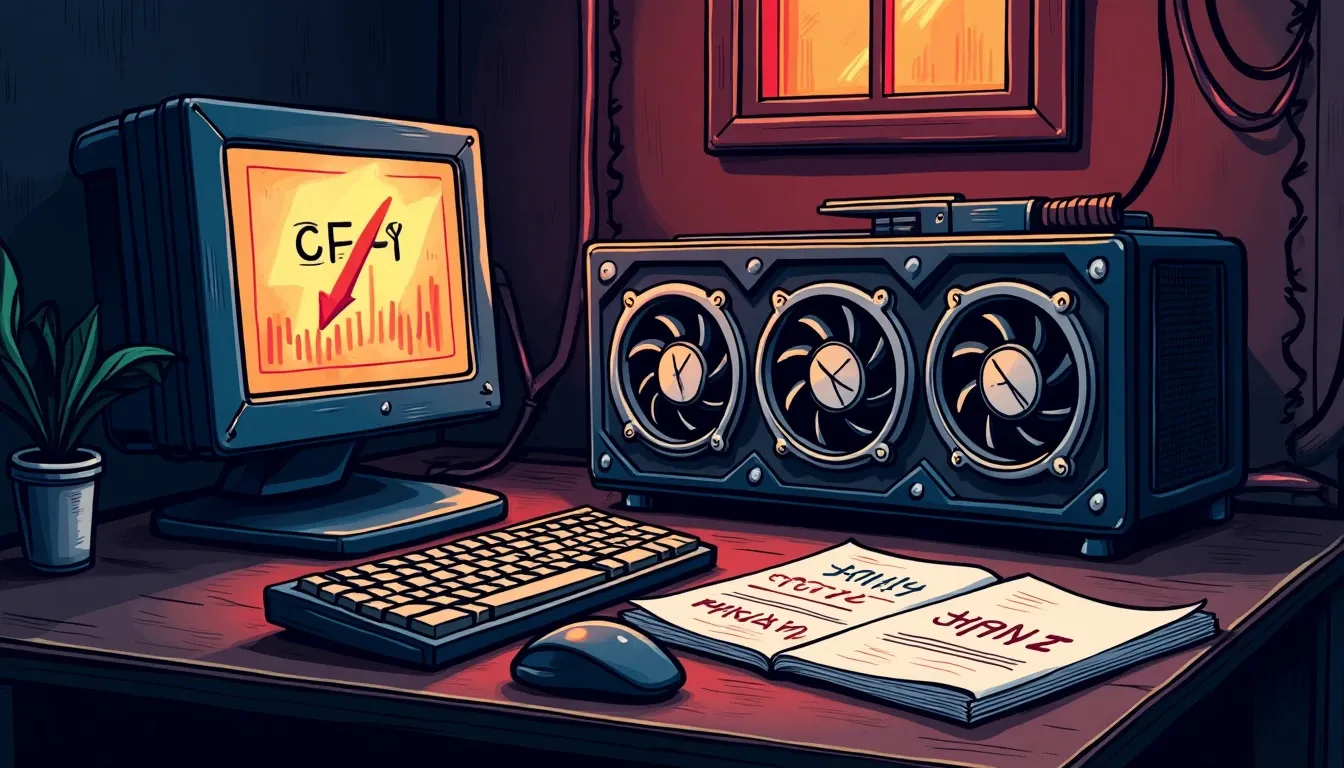
Most calculators ignore hardware depreciation and difficulty increases. Here is how to build a realistic DCF model treating mining as a business decision.

Running parallel wallets multiplies airdrop eligibility in theory but triggers detection in practice. Here's the breakeven math and the clustering methods that disqualify 40% of claimants.
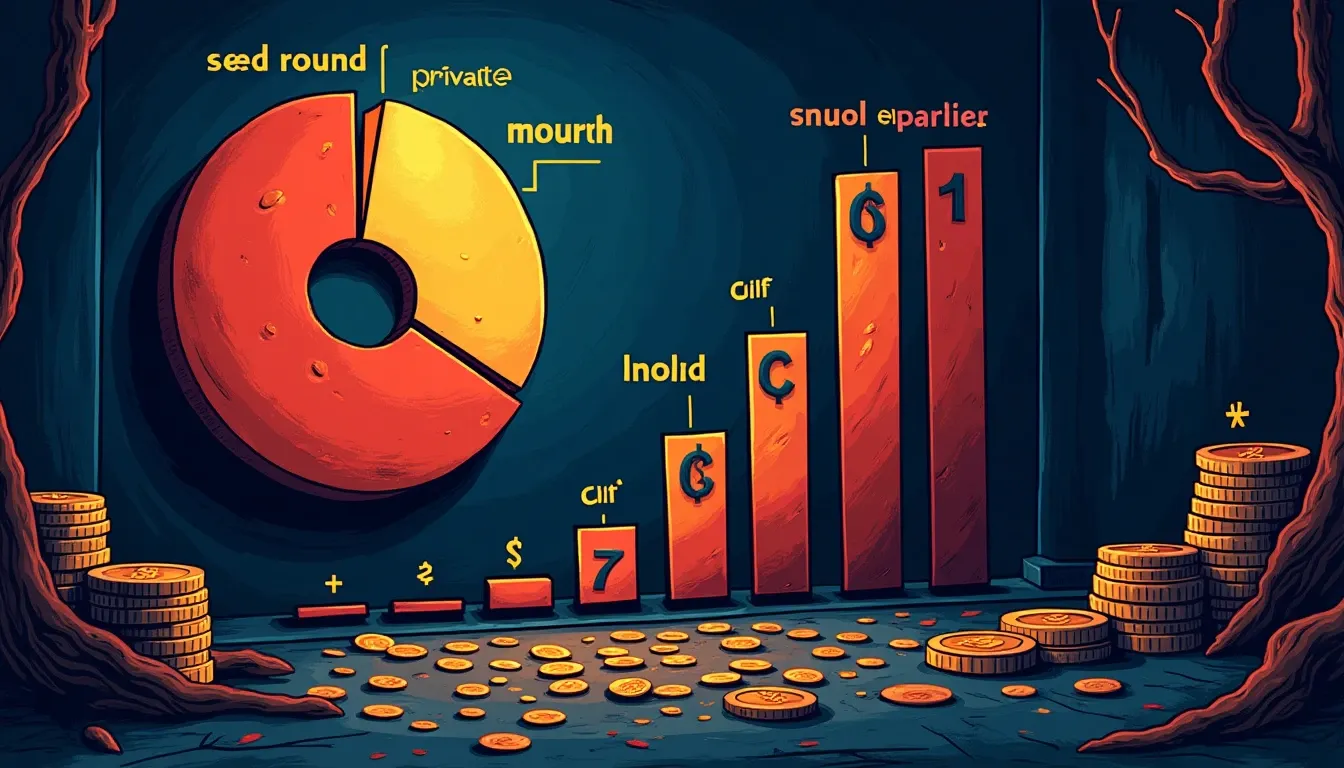
Learn to decode cliff periods, linear unlocks, and allocation tables to predict when insider sell pressure will hit the tokens you stake or LP against.
Most users get 10% of their expected IDO allocation. Here is the math on tier upgrades, staking lock-ups, and when secondary market entry beats launchpad access.
Morpho's peer-to-peer matching layer typically delivers 0.5-2% better rates than Aave or Compound by splitting the spread. Here's the real delta and the curator risk you take.
Learn how to profitably mine Bitcoin at home using time-of-use electricity rates. Automation tools, breakeven math, and real ROI examples included.
Fluid offers 4.11% on USDT with $985M TVL. An extra 0.7% on $100k yields $700 annual. Losing principal costs $100,000. Here's the 48-hour safety protocol.
Three Jupiter positions and one Aave position disappeared from tracking this week. Here is the RPC call, webhook, and monitoring service setup to alert within one hour.

Systematic review process for allocators with $200k-$800k across multiple protocols. Which metrics to check, alert thresholds to set, and when to rebalance vs. hold.