
Wallet Hygiene For Airdrop Eligibility: What Protocols Check
Arbitrum filtered 427,923 Sybil addresses by funding source, timing, and interaction depth. Optimism disqualified 17,000 for IP clustering. Here's what the algorithms actually catch.

Gwen brings a unique blend of technical expertise and accessible writing to the world of cryptocurrency with over a decade of experience in fintech and a passion for demystifying complex concepts.
Arbitrum filtered 427,923 Sybil addresses by funding source, timing, and interaction depth. Optimism disqualified 17,000 for IP clustering. Here's what the algorithms actually catch.
MetaMask's emergency exit of 523,000 staked ETH after rewards diverted to attacker wallet exposes the operational risk embedded in delegated staking infrastructure.
$2.4B in tracked positions vanished from dashboards in one week. Here's how to distinguish data lag from liquidity freeze in the first six hours.

MetaMask, Rabby, Rainbow, and hardware wallets compared by transaction signing clarity, approval management, and multi-chain support for DeFi yield.

Quantitative thresholds for evaluating whether a low-cap token has sufficient liquidity to exit. Volume-to-market-cap ratios, order book depth, slippage analysis, and position sizing rules.
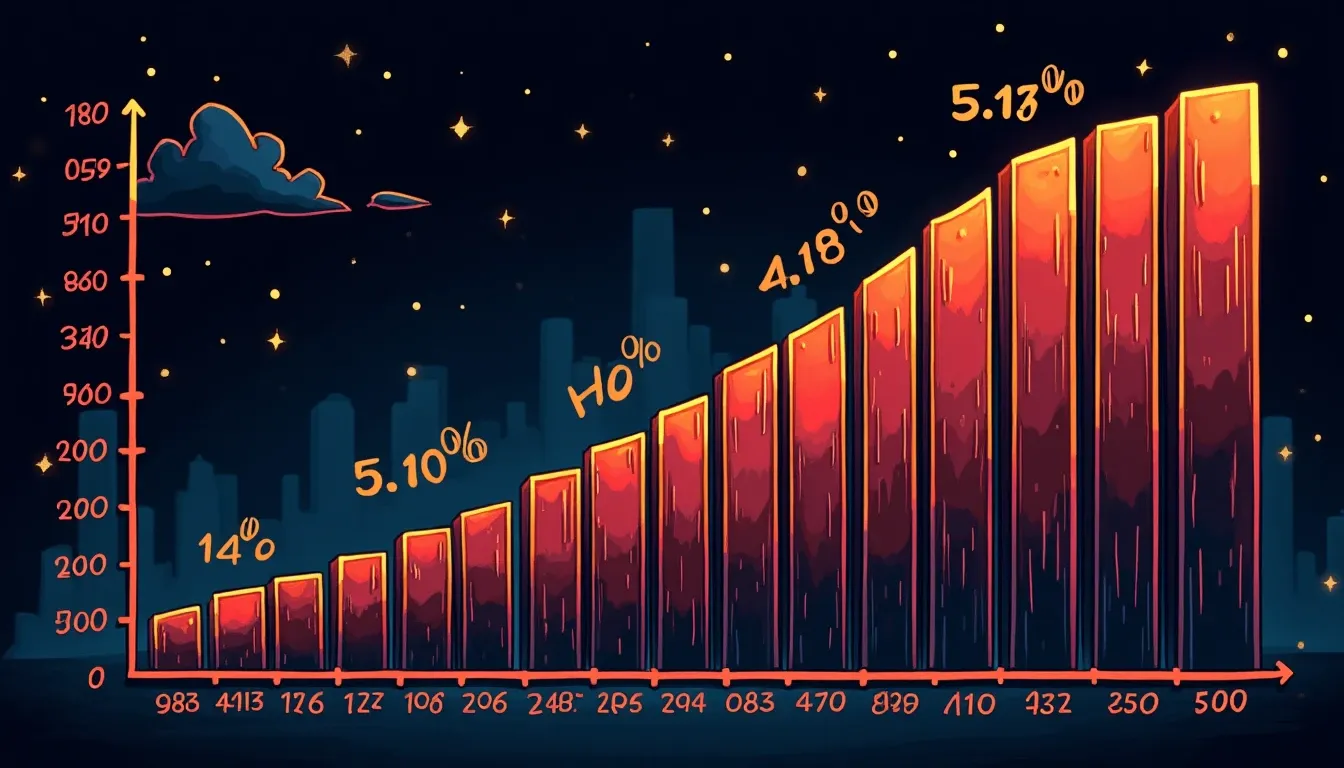
A 1.10pp USDS rate jump on $1.526B TVL analyzed through governance timelines, utilization curves, and contract state to prove causation and build monitoring alerts.
SparkLend holds $287M in DAI at 2.71% while Aave's DAI market vanished from $17M at 3.07%. The migration reveals structural rate durability, not just spreads.

Aave V3 USDe supply rate collapsed from 4.75% to 0.59%. The break reveals the leverage loop mechanics underlying sUSDe and the specific thresholds to monitor.
Framework for selecting which testnets to participate in based on team credibility, funding, and historical payout ratios. Time invested versus token allocation reality.
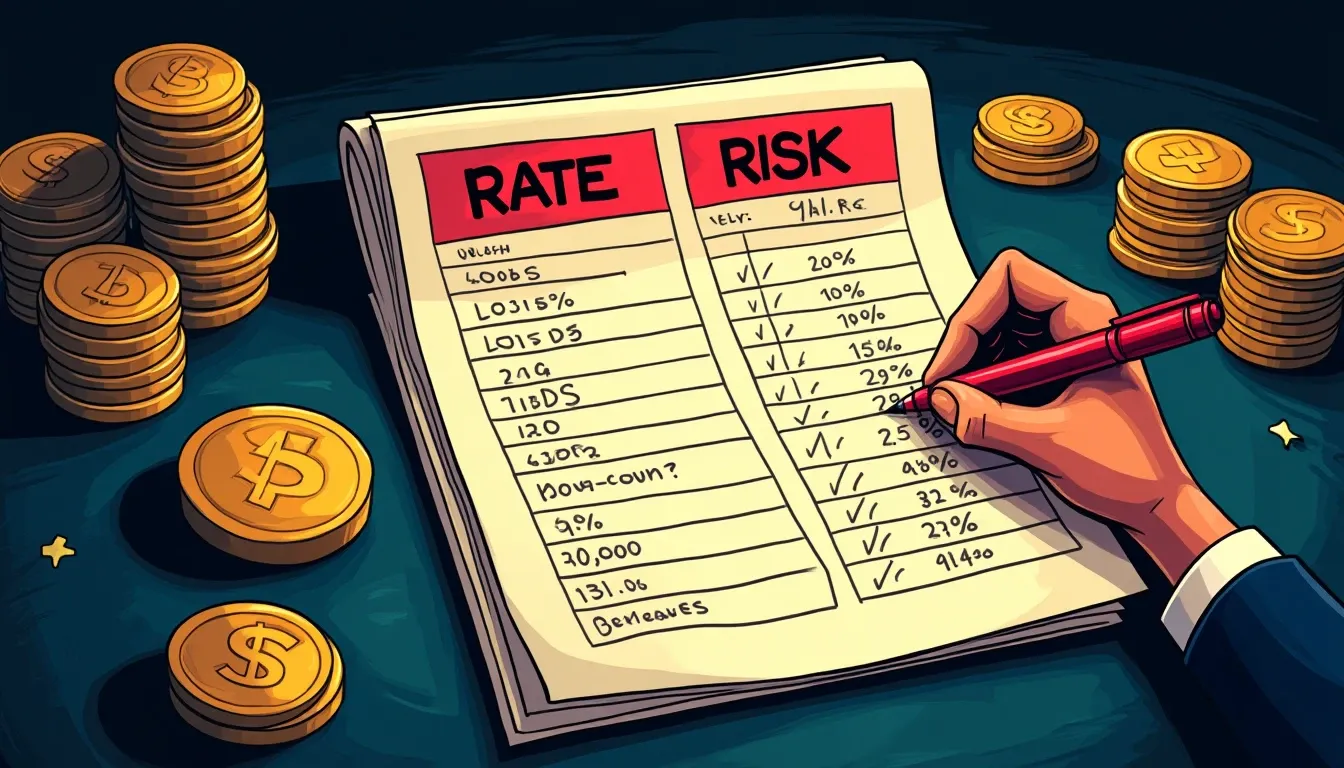
A repeatable process for comparing equivalent-risk positions across protocols: matching collateral requirements, lock periods, audit scores, and TVL, then isolating the net rate difference.

Five on-chain signals visible 72 hours before the 5.36% to 3.29% Compound V3 USDC rate collapse. Monitor utilization curves, borrow trends, and governance to exit before yield crashes.

Most monitoring advice is a list of everything that could be checked. This is a list of what is worth checking and explicitly what is not.

DAOs manage $25B in treasuries through token voting. Theory promised decentralization. Reality delivered whale dominance, voter apathy, and execution bottlenecks.

Gas fees pay for block space and validator work. Learn how EIP-1559 pricing works, why fees spike during congestion, and how to reduce costs with L2s and timing.

Layer 2 rollups batch thousands of transactions off Ethereum, settling them onchain with cryptographic proofs. Here's how optimistic and ZK rollups differ.
Most people have more idle capital than they think. Stablecoins on exchanges, unwrapped tokens, dust across chains, unclaimed rewards. Here is the checklist.