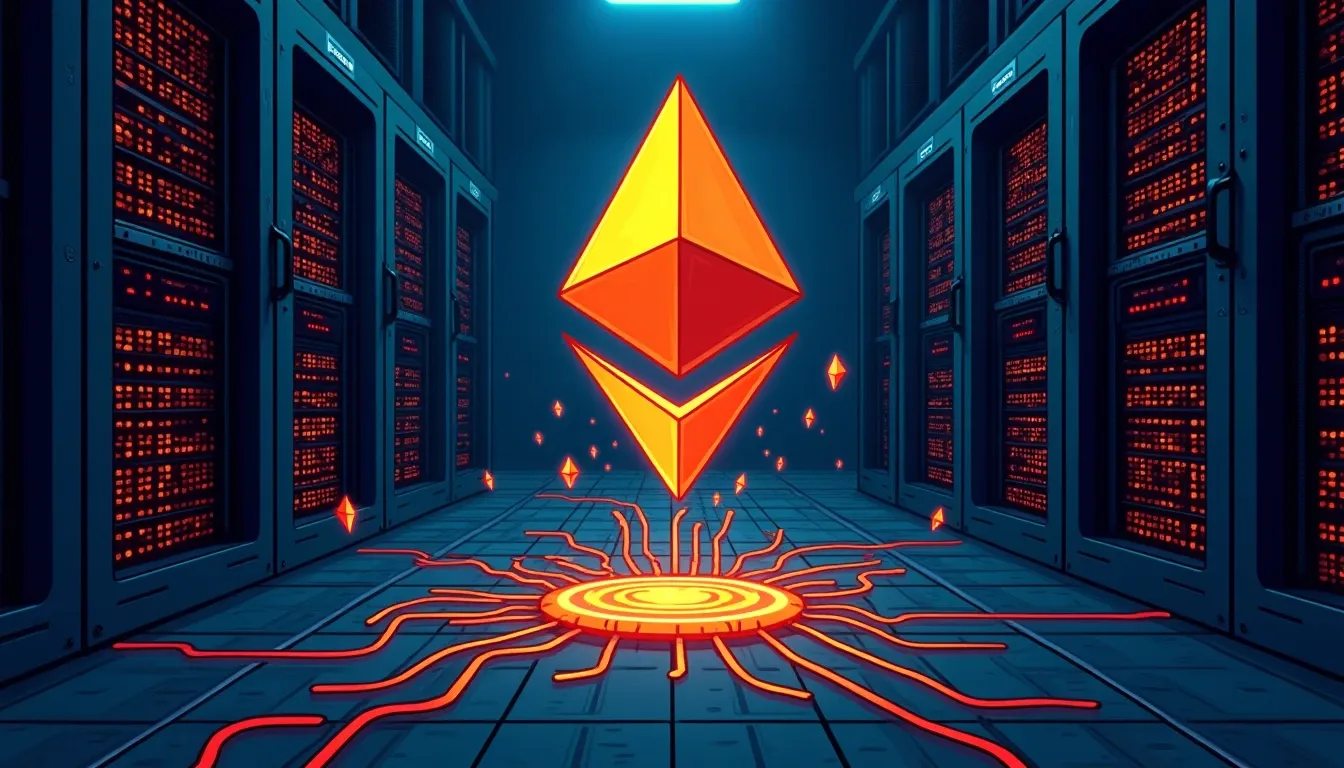
What Is Restaking? EigenLayer And AVS Explained
Restaking stacks AVS yield on ETH staking but adds slashing risk from every protocol you opt into. How the security-sharing mechanism works, real yields, and where the risk hides.

Gwen brings a unique blend of technical expertise and accessible writing to the world of cryptocurrency with over a decade of experience in fintech and a passion for demystifying complex concepts.
Restaking stacks AVS yield on ETH staking but adds slashing risk from every protocol you opt into. How the security-sharing mechanism works, real yields, and where the risk hides.

Liquid staking tokens represent staked ETH plus accumulated rewards. Learn how stETH, rETH, and cbETH work, when the peg breaks, and why LSTs differ from LRTs.

The APYs are within basis points. What matters: fee structure, peg behaviour under stress, exit liquidity depth, and DeFi integration, not headline numbers.

Lido consolidates 8 million ETH into 2,048 ETH validators and adds bond requirements. The move changes staking economics and introduces new operator failure modes.
Three venues paying 4% carry entirely different risks. The rate is not the decision. The risk behind it is.

The 3-5% LST yield breaks down into three components: issuance, MEV, and priority fees. Here's what would compress those components below sustainable levels.

Learn how liquid staking tokens work, compare stETH vs rETH vs cbETH yield mechanisms, understand depeg and protocol risks, and verify current LST returns.

Liquid Restaking Tokens stack on top of Liquid Staking Tokens. Additional layer, additional yield, additional risk. Here's the real yield breakdown.

Yield farming in 2026 is not the same degen play as 2021. Here's the due diligence framework, position sizing rules, and red flags that separate sustainable yield from Ponzi mechanics.
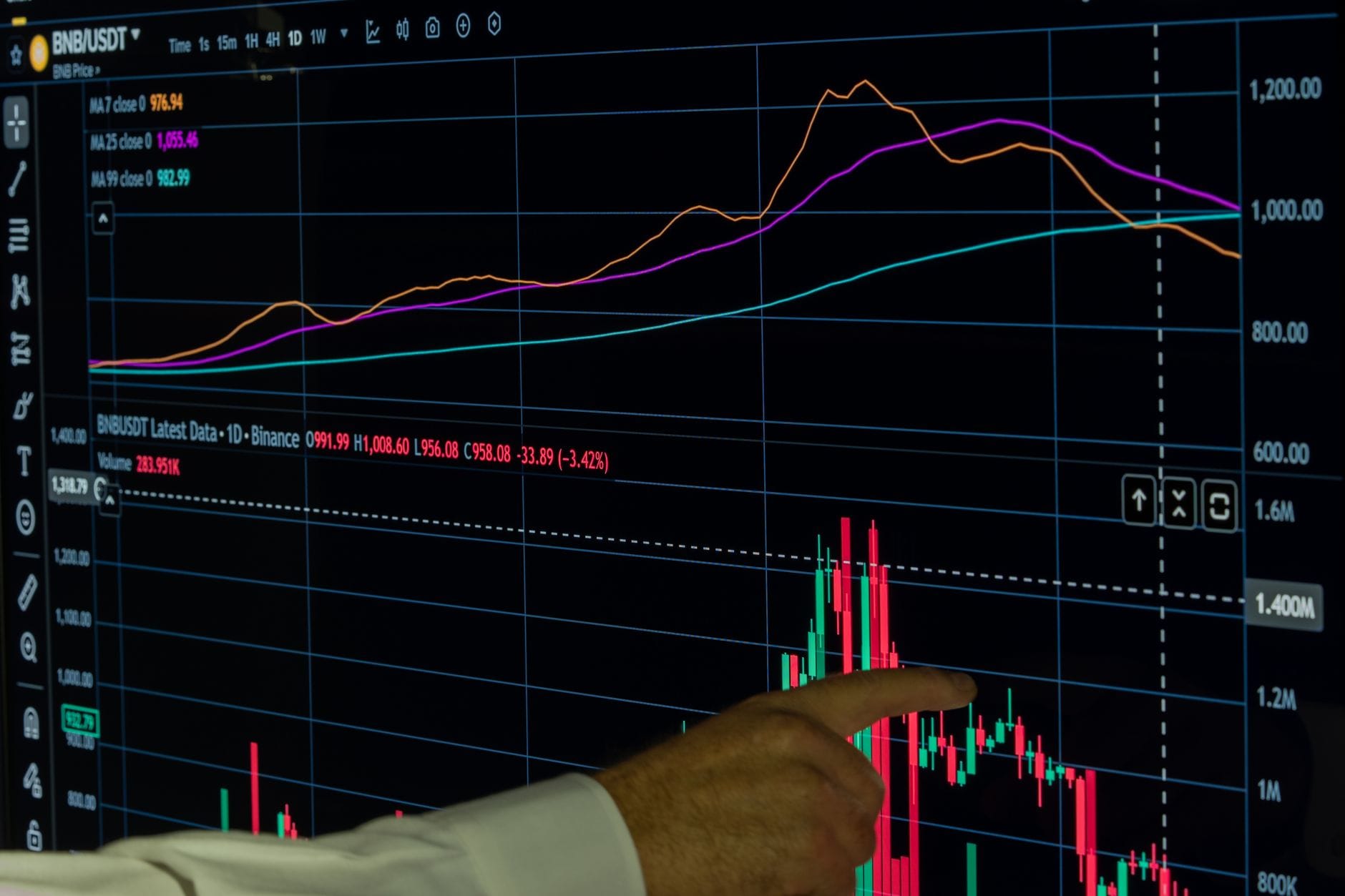
Concentrated liquidity on Uniswap v3/v4 earns 5-50x more fees than V2, but only if price stays in range. Here's the mechanism, the math, and the failure modes.
Supply USDC to Aave, Morpho, or Compound and earn 3.5-8% APY. Here's how the variable-rate mechanism works, where yield comes from, and what breaks first.

Impermanent loss occurs when providing liquidity to AMMs. The mechanism, worked examples, when fees offset it, and why over 50% of LPs lose money.

Which DEX aggregator delivers the best execution for your trade size? 1inch, Matcha, CoWSwap, ParaSwap, LI.FI, and Odos compared on routing, fees, and MEV protection.
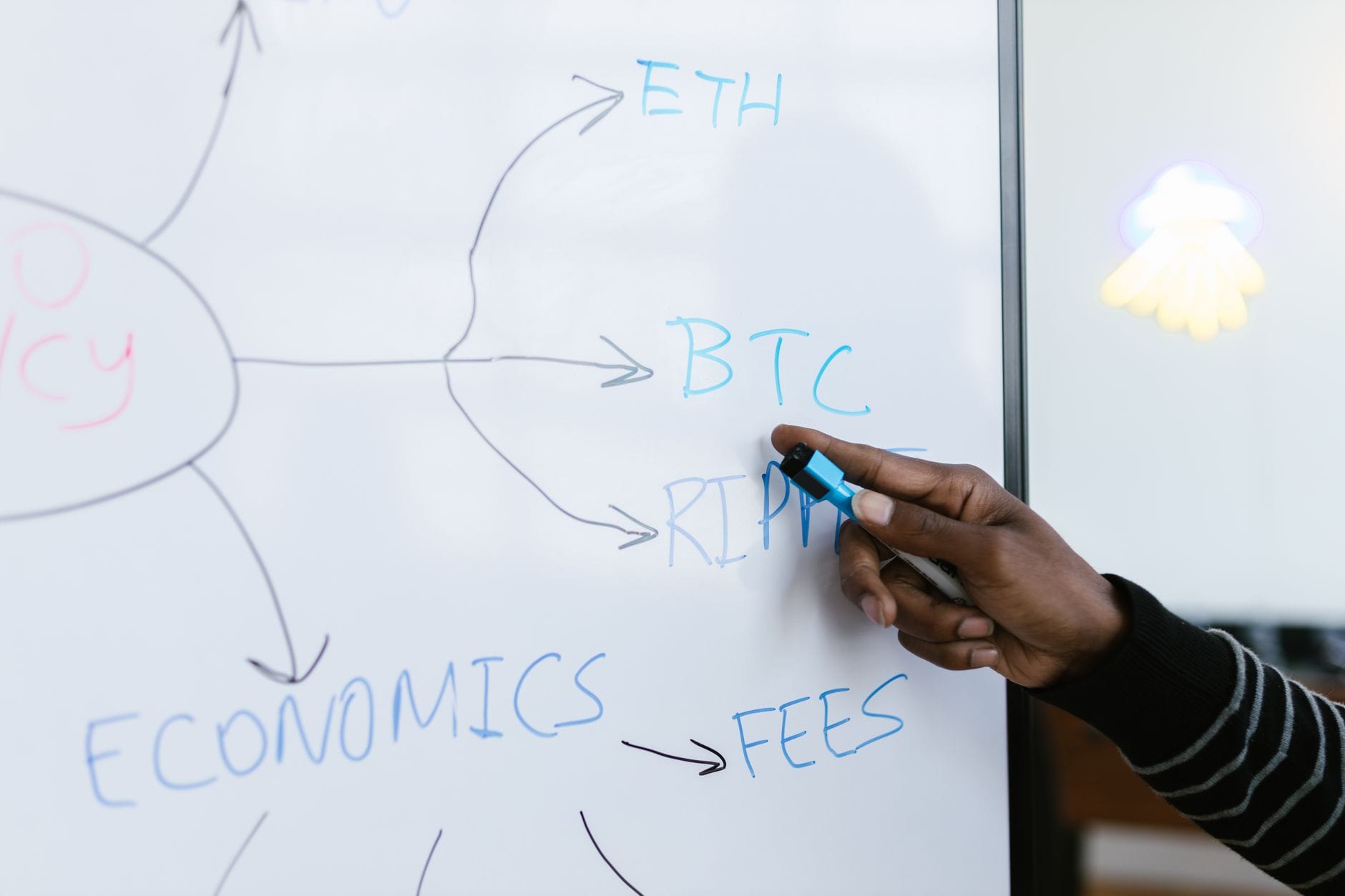
The SEC's 421-page transfer agent proposal addresses blockchain custody infrastructure, creating regulatory pathways for tokenized securities and onchain record systems.

Category-organized review of leading DeFi protocols covering lending, DEXs, derivatives, and yield aggregators with TVL data, yield sources, and failure modes.
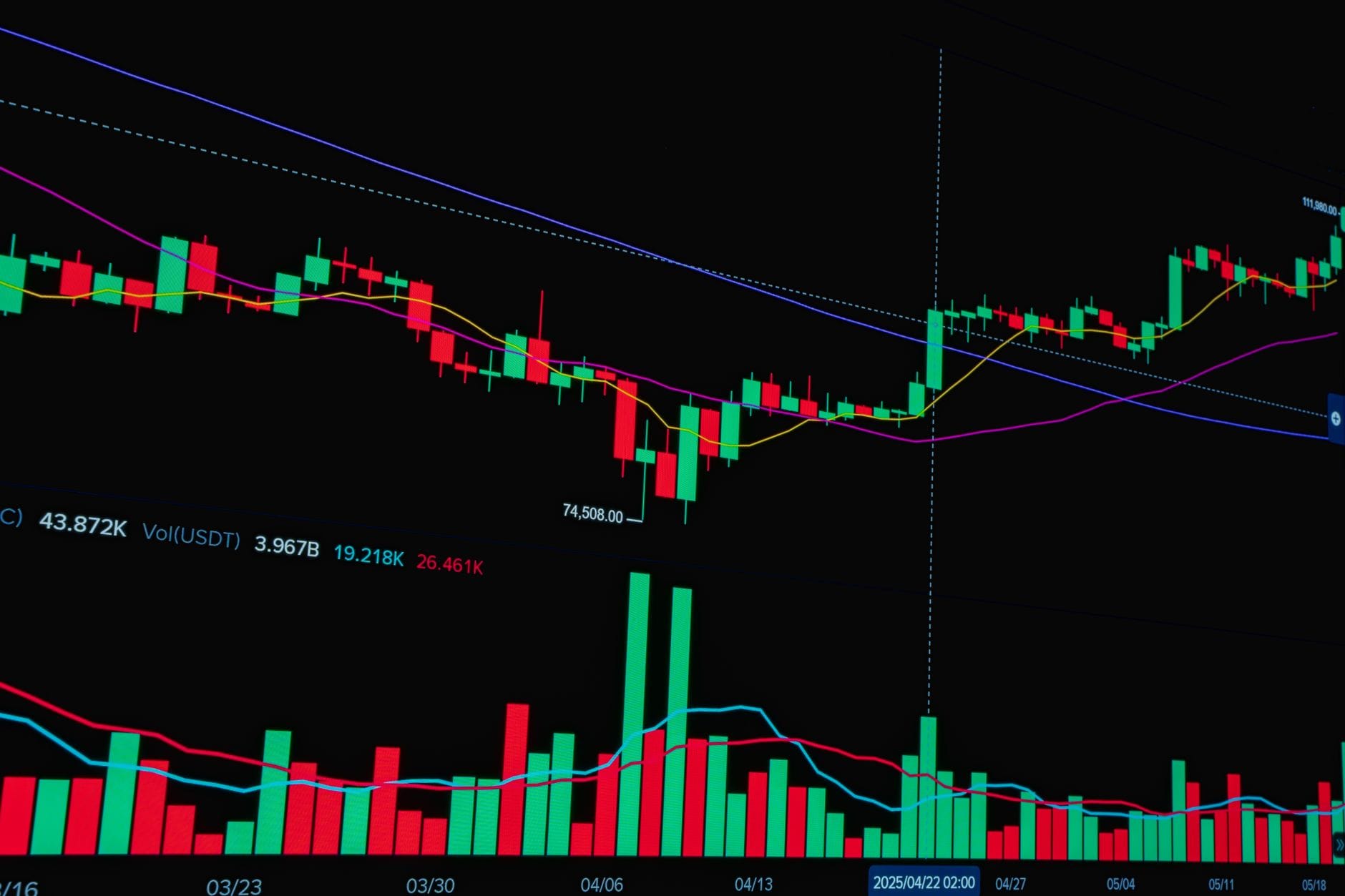
Step-by-step guide to becoming a liquidity provider on Uniswap and Curve. Fee tier selection, concentrated liquidity ranges, and the impermanent loss math that determines profitability.