SparkLend DAI At 2.71% vs Aave DAI At 3.07%: Where The Liquidity Moved
SparkLend holds $287M in DAI at 2.71% while Aave's DAI market vanished from $17M at 3.07%. The migration reveals structural rate durability, not just spreads.

Gwen brings a unique blend of technical expertise and accessible writing to the world of cryptocurrency with over a decade of experience in fintech and a passion for demystifying complex concepts.
SparkLend holds $287M in DAI at 2.71% while Aave's DAI market vanished from $17M at 3.07%. The migration reveals structural rate durability, not just spreads.

Aave V3 USDe supply rate collapsed from 4.75% to 0.59%. The break reveals the leverage loop mechanics underlying sUSDe and the specific thresholds to monitor.
Framework for selecting which testnets to participate in based on team credibility, funding, and historical payout ratios. Time invested versus token allocation reality.
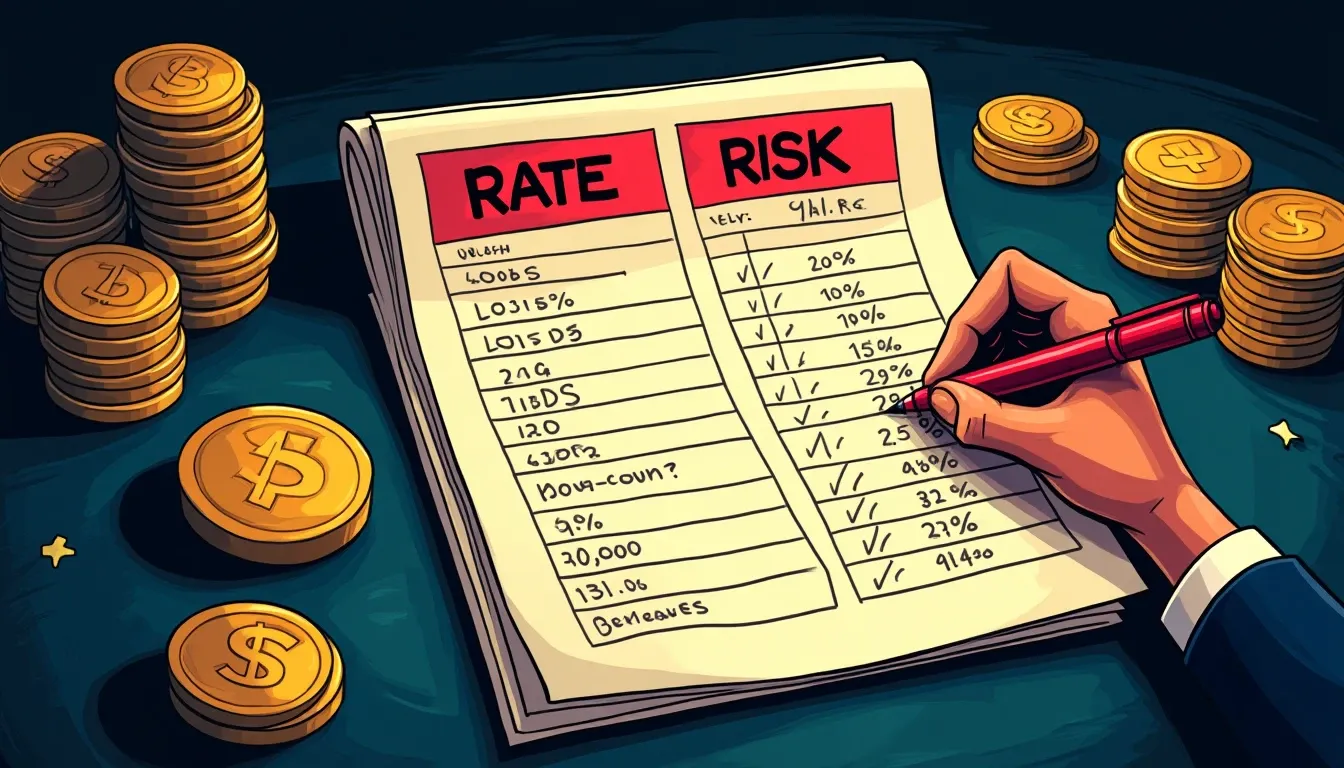
A repeatable process for comparing equivalent-risk positions across protocols: matching collateral requirements, lock periods, audit scores, and TVL, then isolating the net rate difference.

Five on-chain signals visible 72 hours before the 5.36% to 3.29% Compound V3 USDC rate collapse. Monitor utilization curves, borrow trends, and governance to exit before yield crashes.

Most monitoring advice is a list of everything that could be checked. This is a list of what is worth checking and explicitly what is not.

DAOs manage $25B in treasuries through token voting. Theory promised decentralization. Reality delivered whale dominance, voter apathy, and execution bottlenecks.

Gas fees pay for block space and validator work. Learn how EIP-1559 pricing works, why fees spike during congestion, and how to reduce costs with L2s and timing.

Layer 2 rollups batch thousands of transactions off Ethereum, settling them onchain with cryptographic proofs. Here's how optimistic and ZK rollups differ.
Most people have more idle capital than they think. Stablecoins on exchanges, unwrapped tokens, dust across chains, unclaimed rewards. Here is the checklist.

Arbitrum leads DeFi, Base leads consumer apps, zkSync leads ZK infrastructure. Here's how TVL, fees, security model, and ecosystem fit determine which L2 you should use.

Bitget confirmed a $351.6M hot wallet breach via spoofed backend transfer data. Withdrawals remain frozen. Here's the counterparty risk exposure for DeFi users.

Every yield list implies you should move. The arithmetic shows otherwise. Gas, slippage, unbonding, and tax events make most moves unprofitable below $10,000.

Most bots capture spread, extract funding rate, or sell subscriptions. The profit source defines what breaks it. Here's the decomposition by category.
Three platforms paying 3.5%, 3.8%, and 4.7% on USDC carry the same counterparty risk. The gap is brand inertia and fee opacity, not risk difference.

Grid bots profit from range-bound volatility by capturing spreads. The mechanism is sound until the market trends. Here's what breaks it, with real drawdown numbers.