Table of Contents
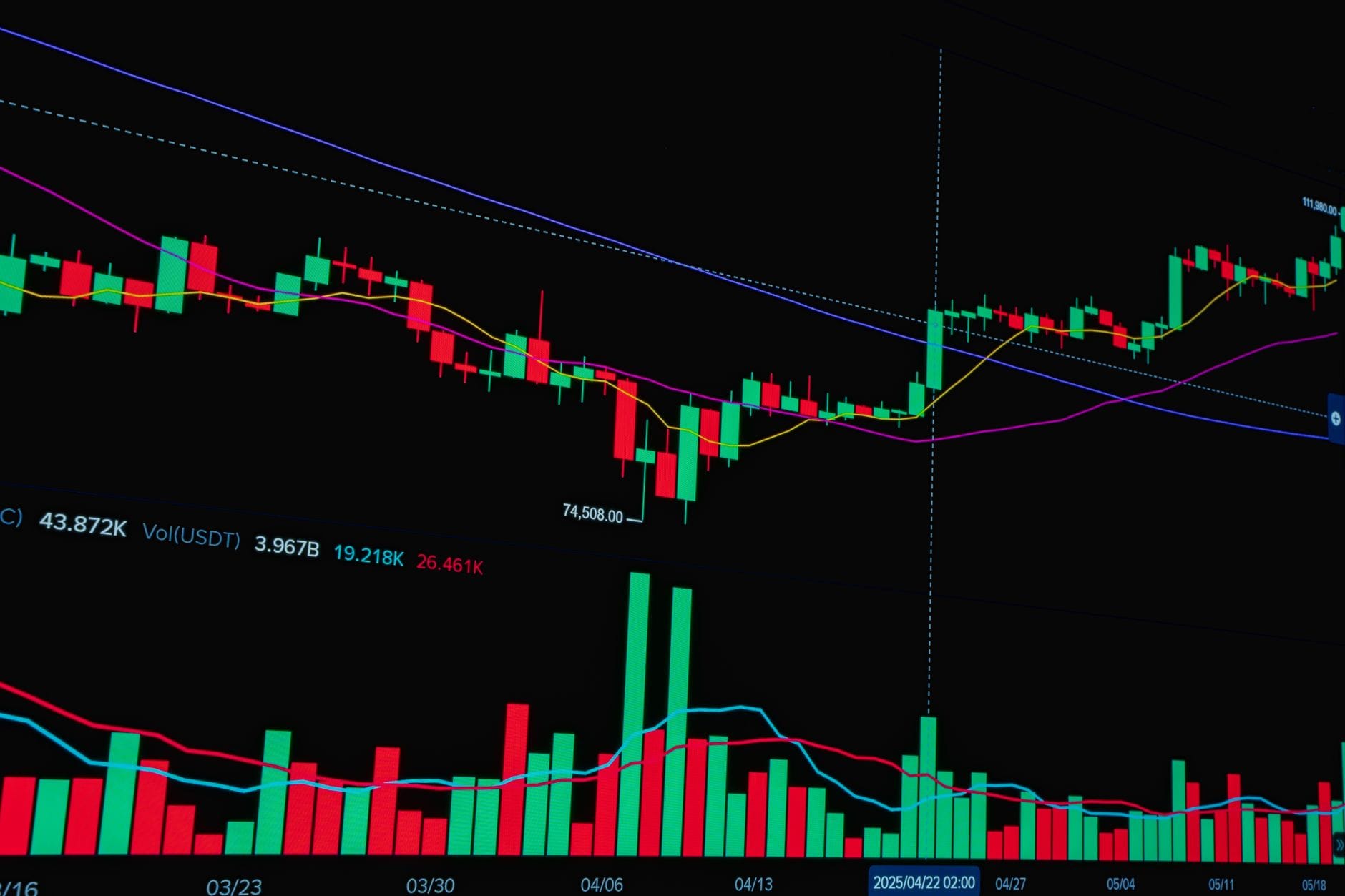
Coinbase Global, Inc. (NASDAQ:COIN) rose 25.6% over the past week ending August 28, 2026, outpacing Bitcoin's 24.4% increase and well ahead of BNB's 13.0% gain. Reuters reported on Thursday that authorities in the United Arab Emirates questioned two Binance employees regarding external fund transfers. Binance stated the employees were not the focus of an investigation and had been released.
The divergence between Coinbase's performance and Binance's token performance is the clearest signal yet that platform access risk has emerged as a separately priced factor in crypto markets.
The UAE Questioning and Regulatory Posture
Binance operates in the UAE through its FZE entity, a free zone establishment that provides certain regulatory pathways for digital asset service providers. The questioning of two employees regarding external fund transfers does not constitute a formal enforcement action, but it signals continued regulatory attention to fund flow controls and cross-border transaction monitoring. Binance issued a statement clarifying that the employees were not under investigation and had been released, framing the matter as routine cooperation rather than targeted scrutiny.
That framing may be accurate. It is also incomplete.
The timing of the UAE inquiry follows Binance's wind-down of services in the European Union after the exchange missed the June 2026 deadline for compliance with the Markets in Crypto-Assets Regulation (MiCA). MiCA requires digital asset service providers to meet capital adequacy standards, implement customer fund segregation, and maintain operational resilience frameworks that many non-EU exchanges have not yet built. Binance's EU exit was not characterized as a failure to achieve compliance, but the outcome is functionally identical: users in one of the largest regulated markets lost access to the platform.
What the Market Is Pricing
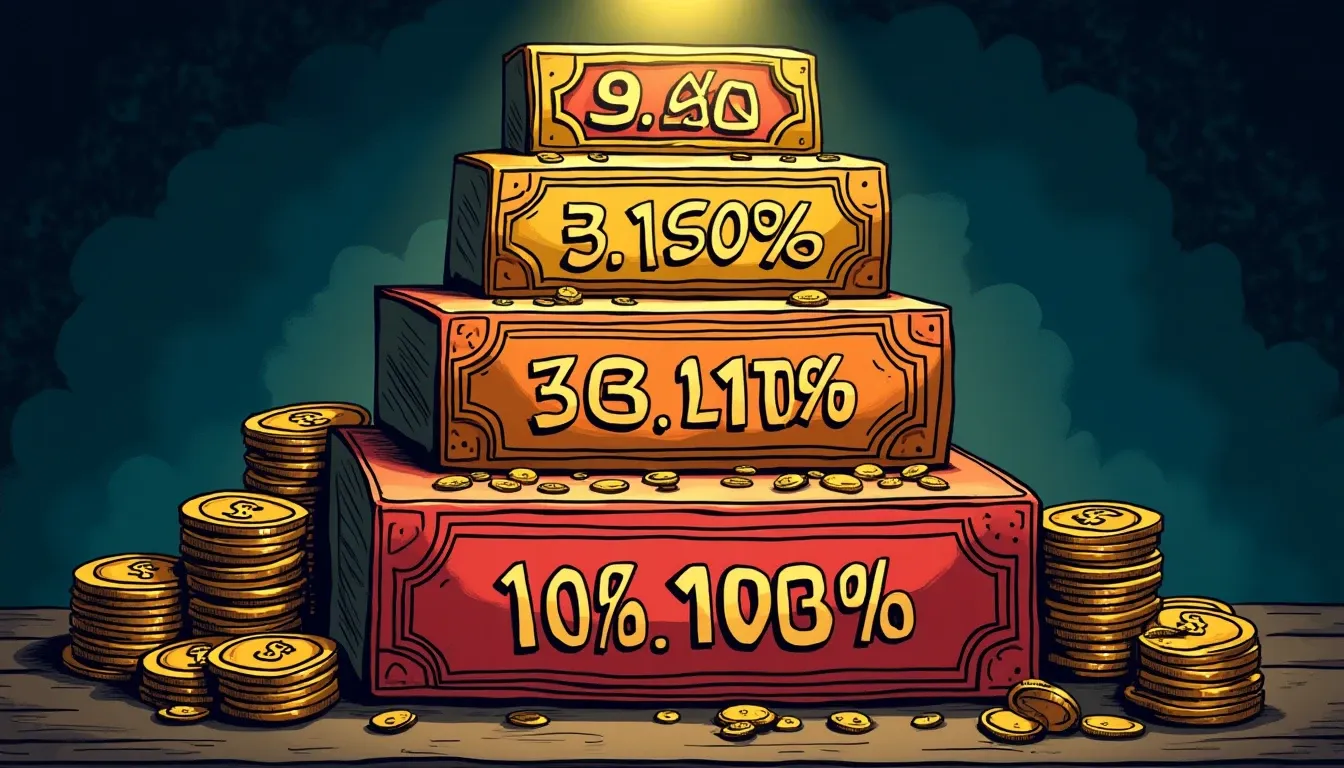
Coinbase posted a 10.3% share of crypto trading volume for the second quarter of 2026, rising from 9.1% in the prior quarter. That increase occurred during a period when Binance faced both the EU wind-down and the UAE inquiry. The simplest explanation for Coinbase's outperformance relative to Bitcoin and BNB is that investors are now willing to pay a premium for regulated trading access as cryptocurrency prices climb.
This is a shift in how platform risk is assessed.
For most of the last cycle, the primary risk factor associated with centralized exchanges was counterparty risk: the risk that an exchange would fail, freeze withdrawals, or lose customer funds. FTX's collapse in November 2022 reinforced that concern. The current market behavior suggests a second risk factor has moved to the foreground: the risk that a platform will lose access to specific jurisdictions or face regulatory actions that restrict its ability to operate in key markets.
Access risk is not counterparty risk. It does not require insolvency or fraud. It requires only that a platform fail to meet the regulatory threshold in a jurisdiction where it operates or wishes to operate. The result is the same for users: they lose access, or they anticipate losing access and move capital preemptively.
Precedent From MiCA and the EU Wind-Down
MiCA's implementation has clarified which exchanges are prepared to meet EU-standard regulatory requirements and which are not. Binance's decision to wind down EU services rather than achieve compliance by the deadline indicates that the cost or complexity of meeting MiCA's requirements exceeded the strategic value Binance assigned to continued EU operations. That decision may have been rational from Binance's perspective, but it created a supply-side constraint for EU-based users who needed to migrate to compliant platforms.
Coinbase holds a MiFID license and maintained EU operations through the MiCA transition. That regulatory positioning allowed Coinbase to capture a portion of the flow that exited Binance in Europe. The UAE inquiry, while distinct from the EU wind-down, compounds the perception that Binance faces ongoing regulatory uncertainty across multiple jurisdictions.
Investors pricing Coinbase equity are pricing in the expectation that this pattern will repeat. If Binance faces further regulatory actions in other key markets, Coinbase stands to benefit as the U.S.-regulated alternative with established compliance infrastructure.
What the Data Does Not Show
The available data does not specify how much of Coinbase's trading volume increase came directly from former Binance users versus organic growth driven by Bitcoin's price rally. The correlation between Binance's regulatory events and Coinbase's market share gains is suggestive but not dispositive. It is possible that Coinbase's volume increase would have occurred regardless of Binance's challenges, driven purely by the broader market rally and institutional interest in U.S.-regulated platforms.
The data also does not show whether the UAE inquiry will escalate into a formal enforcement action, a consent order, or further operational restrictions. Binance's statement that the employees were not under investigation may prove accurate. Alternatively, the inquiry may be the preliminary phase of a broader review of fund transfer compliance that could result in stricter requirements or penalties.
Regulatory inquiries are not enforcement actions, but they are signals. Markets read signals, and they price in the possibility of escalation even when the outcome remains uncertain.
Institutional Flow and Revealed Preference
Institutional investors allocating capital to crypto exposure have shown a preference for U.S.-regulated venues, particularly in equity markets. Coinbase's 25.6% rally over a one-week period reflects buying pressure that is most consistent with institutional positioning rather than retail speculation. Retail traders responding to a Bitcoin rally would not necessarily differentiate between Coinbase equity and direct exposure to Bitcoin or other digital assets. Institutional allocators, by contrast, are required to assess compliance risk, custody risk, and platform access risk as part of their due diligence process.
The fact that Coinbase equity outperformed both Bitcoin and BNB during the same period suggests that institutional capital is willing to pay a premium for regulatory clarity and operational continuity. That premium is the market's way of pricing in the cost of access risk for platforms that lack equivalent regulatory positioning. If you are evaluating exchanges for crypto trading, regulatory compliance infrastructure is no longer a secondary consideration. It is a primary factor that directly affects platform viability in major markets.
What Regulated Entities Should Watch
The pattern established by MiCA's implementation and the UAE inquiry is likely to recur in other jurisdictions as national regulators adopt their own frameworks for digital asset service providers. The United States has not yet enacted comprehensive crypto legislation, but the SEC and CFTC have both signaled through enforcement actions and no-action letters that they expect exchanges to register under existing securities and commodities laws. Binance's experience in the EU and the UAE demonstrates that missing a regulatory deadline or failing to meet operational standards can result in market exit, whether voluntary or compelled.
Exchanges operating in multiple jurisdictions should expect that regulatory thresholds will continue to rise, not stabilize. The cost of achieving and maintaining compliance in major markets is increasing, and platforms that cannot meet those costs will face the choice Binance faced in the EU: exit the market or accept enforcement risk.
For investors, the lesson is that platform selection now carries jurisdiction-specific risk. An exchange that operates without issue in one market may lose access to another market with little notice. That risk is priced into platform tokens and into the equity of regulated competitors who stand to benefit from market exits.
The Takeaway
Coinbase's 25.6% rally during a week when Binance faced UAE scrutiny is not simply a reaction to Bitcoin's price increase. It is the market's revealed preference for regulated access over operational uncertainty. The premium investors are now willing to pay for U.S.-regulated platforms reflects a broader shift in how platform risk is assessed: access risk is distinct from counterparty risk, and it is increasingly priced as a separate factor. Binance's EU wind-down after missing the MiCA deadline established the precedent that regulatory non-compliance results in market exit. The UAE inquiry reinforces the perception that Binance faces ongoing regulatory challenges across multiple jurisdictions. Exchanges that cannot meet rising compliance thresholds will continue to exit major markets, and capital will flow to platforms that can demonstrate regulatory durability. That flow is not speculative. It is structural, and it is accelerating.
Frequently Asked Questions
Why did Coinbase stock rise more than Bitcoin during the same week?
Coinbase rose 25.6% while Bitcoin rose 24.4% during the week ending August 28, 2026, a period when Binance faced UAE regulatory scrutiny. The outperformance suggests investors are pricing in a premium for U.S.-regulated exchange access rather than simply tracking Bitcoin's price movement. Institutional capital appears willing to pay more for platforms with established compliance infrastructure and lower jurisdiction-specific access risk, particularly as Binance exits major markets like the EU.
What is access risk in crypto exchanges?
Access risk is the risk that a platform will lose the ability to operate in specific jurisdictions due to regulatory non-compliance, enforcement actions, or failure to meet licensing thresholds. Unlike counterparty risk, which concerns platform insolvency or fund loss, access risk does not require fraud or financial failure. It only requires that an exchange fail to meet regulatory standards, resulting in market exit or operational restrictions. Binance's EU wind-down after missing the MiCA deadline is a clear example of access risk materializing.
What happened with Binance in the UAE?
Reuters reported on Thursday, August 27, 2026, that UAE authorities questioned two Binance employees regarding external fund transfers. Binance issued a statement clarifying that the employees were not the focus of an investigation and had been released. While the inquiry does not constitute a formal enforcement action, it signals continued regulatory attention to Binance's fund flow controls and cross-border transaction monitoring, following the exchange's earlier wind-down of EU services after missing the MiCA compliance deadline.
How did MiCA affect Binance's operations?
Binance wound down services in the European Union after missing the June 2026 deadline for compliance with the Markets in Crypto-Assets Regulation (MiCA). MiCA requires digital asset service providers to meet capital adequacy standards, implement customer fund segregation, and maintain operational resilience frameworks. Binance's decision to exit the EU rather than achieve compliance indicates that the cost or complexity of meeting MiCA's requirements exceeded the strategic value the exchange assigned to continued EU operations.
Is Coinbase gaining market share from Binance?
Coinbase posted a 10.3% share of crypto trading volume for the second quarter of 2026, up from 9.1% in the prior quarter. This increase occurred during the same period when Binance faced the EU wind-down and the UAE inquiry. While the available data does not specify how much of Coinbase's volume increase came directly from former Binance users versus organic growth, the correlation between Binance's regulatory challenges and Coinbase's market share gains is consistent with capital migrating to U.S.-regulated platforms.