How To Respond When Uniswap V3 WETH-USDT Jumps 3.24 Points
The WETH-USDT pool jumped 3.24 percentage points in one week. Before you enter mid-spike, here is the checklist for distinguishing real yield from reversion traps.
Through my work, I aspire to be a source of knowledge and inspiration for those exploring the dynamic and exciting world of cryptocurrencies.
The WETH-USDT pool jumped 3.24 percentage points in one week. Before you enter mid-spike, here is the checklist for distinguishing real yield from reversion traps.
The WETH-USDT pool jumped from 3.93% to 19.07% APY on $95M TVL. Here's what caused the spike, whether it's sustainable, and how to size a position when volatility drives fees.

Step-by-step documentation protocols for moving positions between protocols. What counts as taxable, how to categorize withdrawals and redeposits, and audit-proof record templates.

Bitcoin mining difficulty rose 5.92% to 140.58 trillion on October 16, with hashprice falling to $36.75 per PH/day. Mid-tier miners face consolidation as margins compress.
Zcash climbed 11.7% to $1,316.52 as developers agreed on a November 5 activation date for the NU7 upgrade that triples transaction speed, but the move came on leverage and ETF outflows.

Fluid dropped 4.3 points while Compound rose 3.2 points this week. On $200k USDC, staying put costs $8,600 annually. Here's the migration math that pays for itself.

Ledger's supply-chain attack drained $102M while Blur marketplace collapsed and infrastructure for passive yield moved from speculation to settlement rails.

Binance Pool closes Nov. 10 after 65% hashrate drop, forcing miners to choose among three pools that already control 64% of Bitcoin's network.

Coinbase charges 0.50%/0.90% in the US while MEXC charges 0%/0.05%. Security track records, custody models, and staking yields matter as much as fees.
Staking, stablecoin yield, DeFi lending, LP farming, and mining compared. Real yields net of fees, capital requirements, and what each approach actually costs you.

A lending APY and a funded trading account both promise crypto income, but one prices your capital and the other prices your fee. The units do not match.
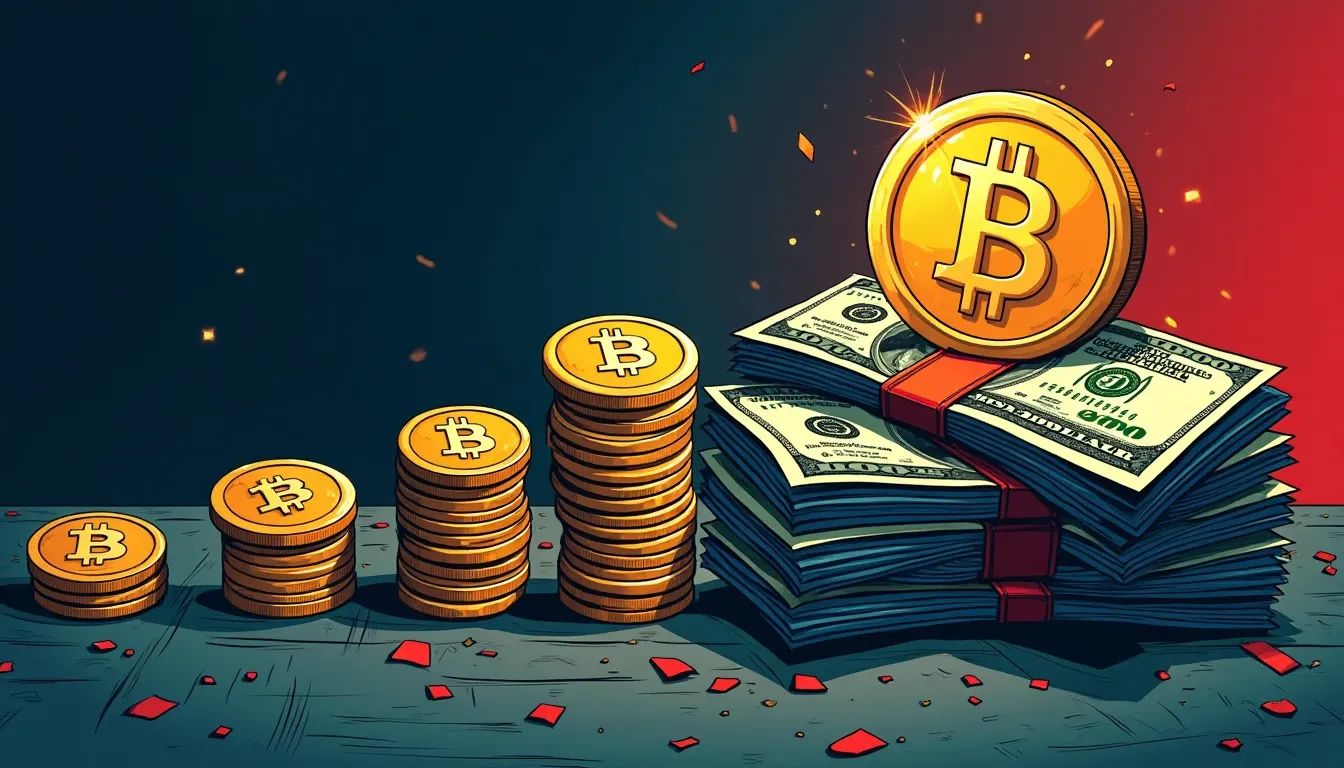
Dollar-cost averaging into Bitcoin underperforms lump sum 66% of the time, yet remains the dominant retail strategy. Here is the frequency, platform, and tax math.

NEAR Protocol rallied 118.2% over 30 days to $5.37, driven by the September 29 launch of the first spot NEAR ETF and surging cross-chain Intents volume.

Wallet security failures dominated as D'CENT lost $20M across five chains. Meanwhile, yield strategies shifted toward structure over hype, and airdrop farming hit detection limits.

Pionex, Freqtrade, and Hummingbot are genuinely free. Most alternatives cut you off after 14 days. Here's what you actually get without paying a subscription.

Staking lets you earn 3-8% APY by securing proof-of-stake networks. Validators lock tokens, confirm transactions, and collect issuance rewards plus fees.