Coinbase vs Kraken: Which Exchange Should A Beginner Use?
Coinbase charges 1.20% taker fees at beginner volume. Kraken charges 0.40%. That gap compounds fast. Here is how to choose by trading profile, staking goals, and security needs.
Coinbase charges 1.20% taker fees at beginner volume. Kraken charges 0.40%. That gap compounds fast. Here is how to choose by trading profile, staking goals, and security needs.
Legitimate airdrop farming requires months of protocol interactions, strict gas cost accounting, and sybil-resistant wallet patterns. Here's the framework.

Before you click approve on that wallet prompt, check five specific fields. Here is what each means, the red flags that cost people hundreds of thousands, and the 30-second verification routine.

When you hold crypto, someone has to control the keys. The real choice is whether that someone is you or an exchange, and your answer changes the risks you take.

Complete walkthrough for your first DeFi deposit. MetaMask setup, Base network configuration, Aave USDC deposit, transaction approval reading, and the $100-500 strategy that limits tuition costs.

Wrong-chain sends, malicious approvals, high-APY rugs, gas blindness, and lost seed phrases. Here is what each mistake costs and the 30-second check that prevents it.

Token approvals you granted two years ago are still active. Most users have never checked. Here's how to find and revoke them using free tools.

Bitcoin traditionally generates no native yield. Babylon staking, wrapped BTC DeFi, CEX accounts, and Lightning network channels offer real paths in 2026.
Rabby simulates every transaction before you sign. MetaMask shows raw hex. For DeFi income, what your wallet displays before approval matters more than brand name.

USDC on Aave Base pays 3.52% APY as of August 2026. Here's the specific chain, platform, and $500 first-position setup that limits downside while teaching yield mechanics.
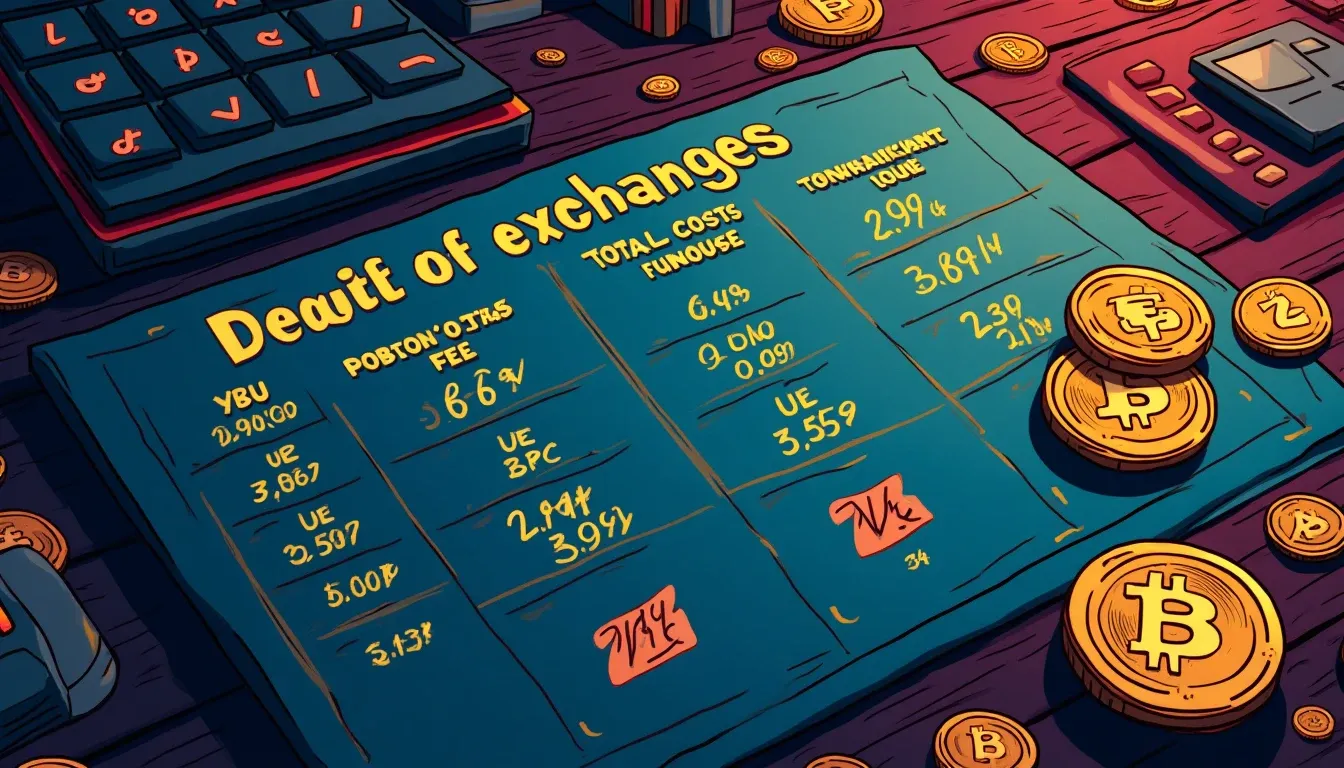
The headline trading fee is the smallest cost. Deposit fees, spread, and withdrawal charges dominate. Here's the total round-trip cost on $1,000 and $10,000.
Your first crypto purchase should be under $100. Here is how to choose an exchange where fees stay under 3%, which cryptocurrency to buy first, and what usually goes wrong.

Bridges have lost $328M in 2026 alone. Here's the security architecture, exploit record, and fee comparison that tells you which bridges are safe to use.
Six disqualifying red flags in small-cap tokens: unverified contracts, wash trading, insider unlock schedules, TVL manipulation, anonymous teams, and vaporware.
Your first staking position walkthrough: platform selection, realistic APY expectations, lockup risks, and the path from exchange staking to liquid staking tokens.
DCA bots work in most markets but deliver boring returns. Grid bots extract fees from volatility but fail in trends. Here is which bot to try first with $500-$2000.