
Crypto 401k Access For Yield: Why Most Plans Don't Exist
Employer 401k plans offer no crypto yield access. Solo 401k setups allow staking and lending for self-employed account holders, but custody rules create disqualification risks.
Crypto investing without the hype: how to evaluate altcoins, read market cycles, and size positions you can live with.
Employer 401k plans offer no crypto yield access. Solo 401k setups allow staking and lending for self-employed account holders, but custody rules create disqualification risks.
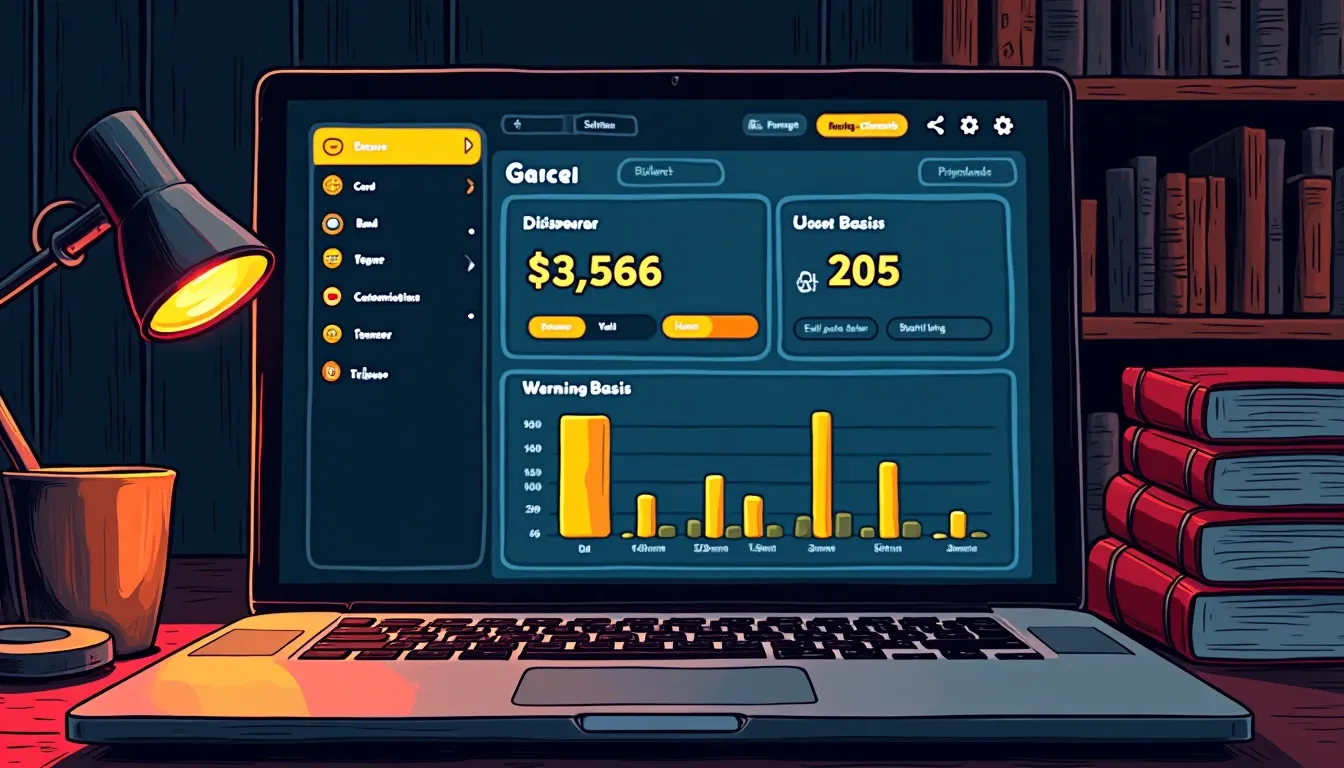
Koinly automates exchange trades well but struggles with DeFi yield. Here's which protocols sync correctly, where manual CSV imports are required, and how it handles auto-compounding tokens.

Staking rewards are ordinary income when received. LP fee timing varies by pool type. Auto-compounding creates multiple taxable events. Here is what the IRS requires.

Most crypto tax services handle exchange trades. Few handle auto-compounding, LP token cost basis, or staking derivatives correctly despite premium pricing.

Most crypto tax calculators miss DeFi yield timing, LP token accounting, and cost basis method impact. Here is how to classify staking rewards, choose FIFO vs HIFO, and handle tokens with no market value at receipt.

Koinly, Summ, and Awaken Tax handle LP positions differently. Here is what breaks at each DeFi complexity layer and which cost basis methods matter.

Kalshi raised $1 billion at a $40 billion valuation while VC mega-rounds ignore the prediction market infrastructure already live in Argentina, Nigeria, and Turkey.

Most portfolio trackers show protocol APY, not actual yield after impermanent loss and gas. Here is what works for LP positions, staking, and lending data.

JPMorgan JPMD is live for institutions. Citi processes $1 billion daily. SoFi pays 4.4%. Here are the access requirements, redemption windows, and yield mechanics.

Initia paused operations October 24 after an infinimint exploit allowed attackers to mint 2 million unbacked AUSD tokens and drain $2.6 million in crypto assets.

Bitwise charges 0.75% per year while Hashdex cut to 0.25%. Self-custody pays no fund fee but rebalancing spreads add up. Here's when indexing makes sense.
Vanguard does not offer its own crypto ETFs and has no plans to launch one. Here is what third-party products are available and how direct staking compares.
Validator staking pays 3.5-20% APY. Lending protocols offer 2.6-8%. LP fees depend on volume. Airdrop farming has no guaranteed return. Here is what each method actually requires.

Staking, stablecoin yield, DeFi lending, LP farming, and mining compared. Real yields net of fees, capital requirements, and what each approach actually costs you.

Form 8949 reports realized crypto losses. The IRS allows $3,000 annually against income, but carryforward mechanics determine multi-year yield positions.

Koinly uses read-only API access, but the Mixpanel breach in December 2025 exposed email addresses. Here is what data the platform actually sees and stores.