
Crypto Tax Software Free Tiers: What You Actually Get
Koinly's free plan shows exact gains for 10,000 transactions but gates report downloads. CoinTracker caps at 25 free transactions. Here is what each free tier delivers.
Ways to reduce your cryptocurrency tax liability
Koinly's free plan shows exact gains for 10,000 transactions but gates report downloads. CoinTracker caps at 25 free transactions. Here is what each free tier delivers.

Borrowing defers tax but introduces liquidation risk. The LTV that looks safe at 50% becomes dangerous after a 40% drawdown. Here is what breaks a crypto loan.

Koinly's tiers look cheap until you count transactions cumulatively. Here is what each vendor actually costs at realistic volumes and where the cheapest option changes.

Most tax software handles exchange trades. Few handle autocompounding, LP rebalancing, or cross-chain bridges correctly. Here is what works.

Transaction hashes, cost basis at entry, reward events with dates and prices. What records a DeFi yield position needs years later, and why exchange exports fail.

Most crypto tax calculators handle exchange trades but fail on autocompounding, LP rebalancing, and cross-chain bridges. Here's what actually works.

Koinly covers 170+ blockchains and 850+ exchanges, but rebasing tokens require daily checks and liquidity pool zaps need manual accounting. Here's what the docs say.

Koinly, CoinLedger, CoinTracker, and Crypto Tax Calculator differ on DeFi support, pricing structure, and jurisdiction coverage. Here is what each handles.

The tax is rarely the problem. The records are. What to capture at the moment of each DeFi transaction, why exchange exports fail, and how to reconstruct.

Most crypto tax software handles trades. Almost none handle rebasing LSTs, LP positions, or multi-chain DeFi correctly. We tested on the hard cases.
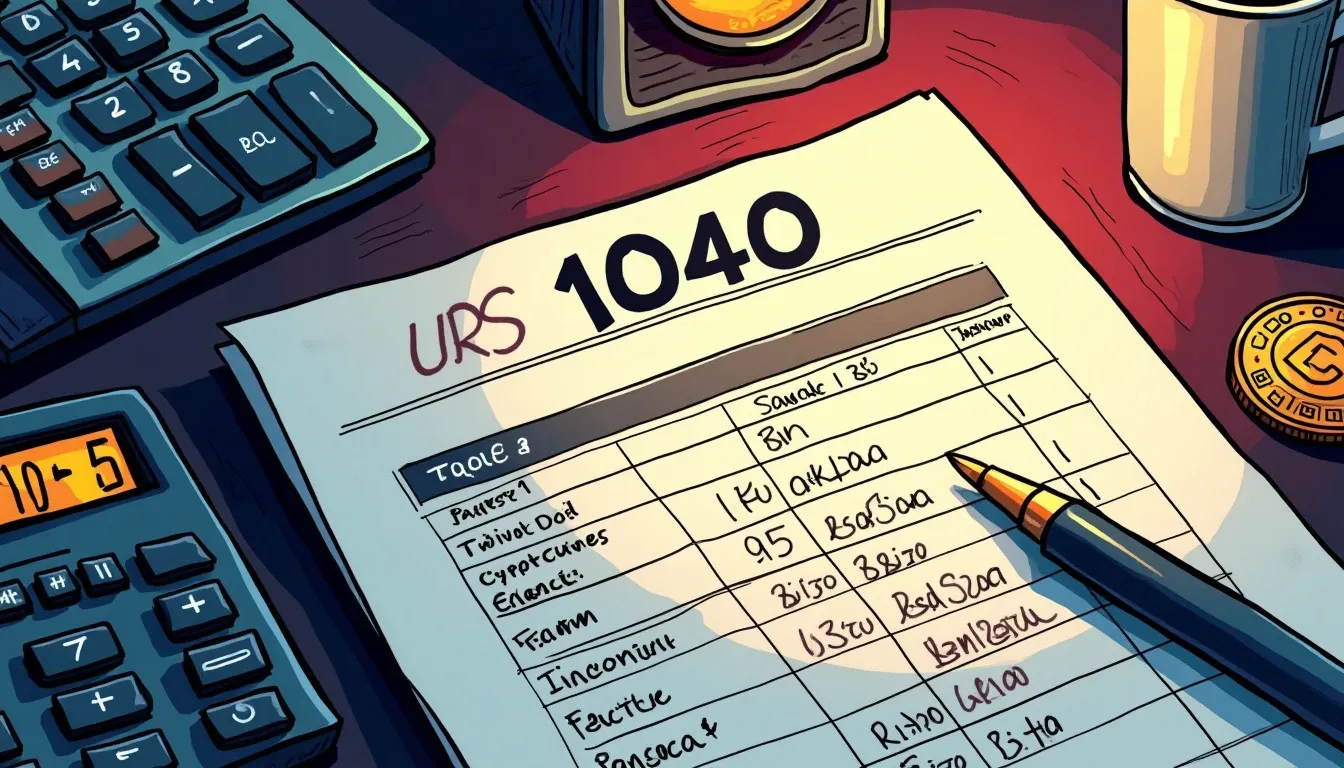
Rebasing and value-accruing tokens create different tax obligations. Here is how to report DeFi yield, track cost basis, and keep the records that survive audit.

Multi-jurisdiction framework for reporting crypto income. Classification rules, tax rates, documentation requirements, and 2026 reporting changes across US, UK, EU, Australia, Canada.

Set up portfolio tracking that works across exchanges, wallets, and chains. Read-only API keys, privacy trade-offs, and tax-ready reporting explained.