Visa Settlement Data Now Powers $20 Billion Onchain Credit Market
Visa has opened VisaNet settlement data to blockchain lenders, financing more than $20 billion annually in stablecoin card settlement with zero defaults recorded.
The 3-5% LST yield breaks down into three components: issuance, MEV, and priority fees. Here's what would compress those components below sustainable levels.
The $320 million Liquid Network breach exposed bridge risks that hit Argentine and Turkish savers hardest. Here's why sidechain vulnerabilities threaten real income flows.
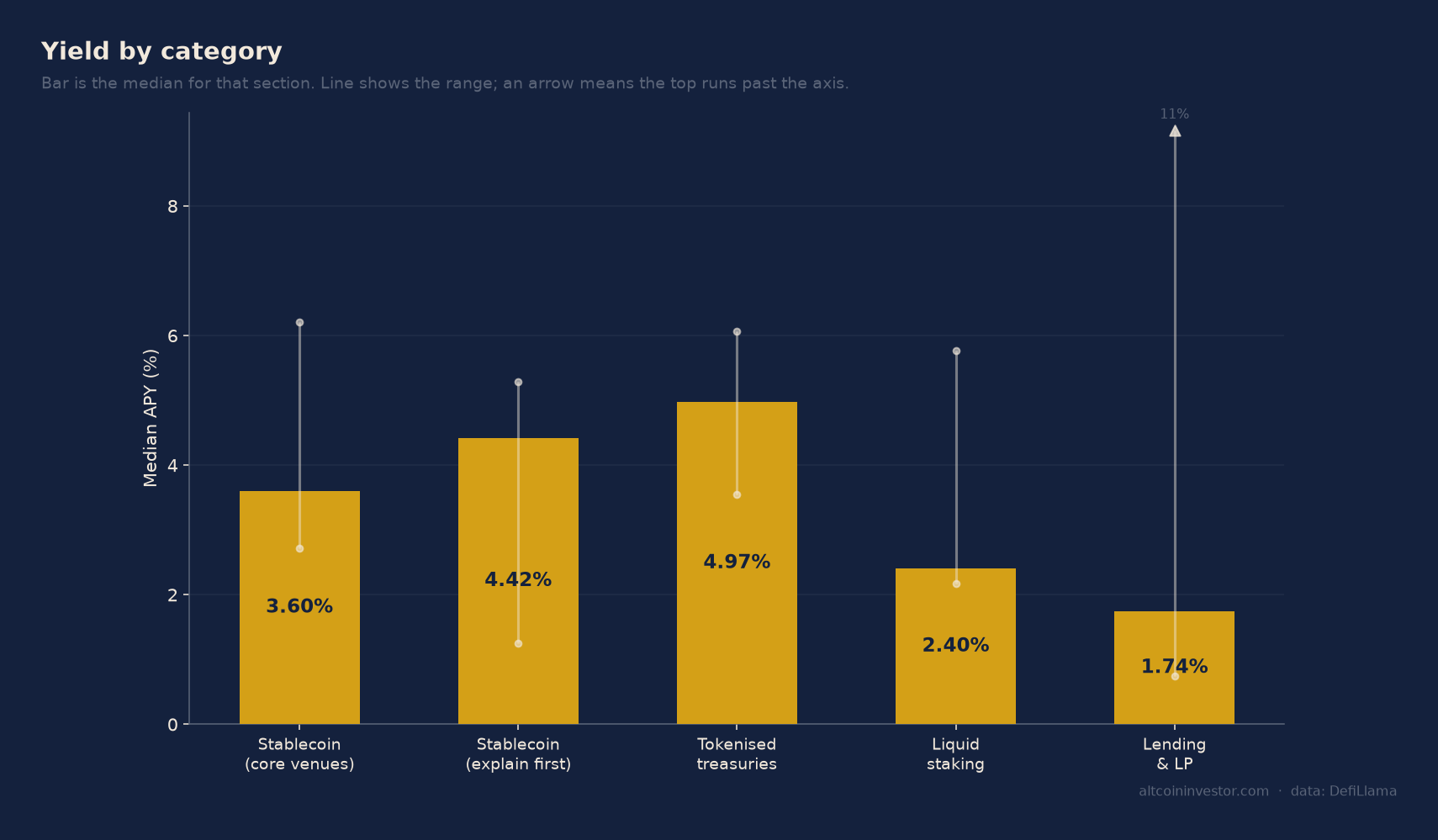
Framework for evaluating yield before you deposit: source-of-return test, sustainability signals, risk stack, and the specific stress tests to apply.
Which DeFi protocols US users can access legally in 2026. Covers IP blocks, SEC enforcement risk, the distinction between using vs. providing service, and how to evaluate new protocols.
Ethena advertises 18% APY. The question is where that 18% comes from, and what happens when funding rates stay negative long enough to exhaust the reserve fund.
Liquid Restaking Tokens stack on top of Liquid Staking Tokens. Additional layer, additional yield, additional risk. Here's the real yield breakdown.
The SEC and CFTC launched joint leverage rules September 2, 2026. Platforms offering margined crypto face compliance costs that reshape income access for traders and LPs.
Yield farming in 2026 is not the same degen play as 2021. Here's the due diligence framework, position sizing rules, and red flags that separate sustainable yield from Ponzi mechanics.
Concentrated liquidity on Uniswap v3/v4 earns 5-50x more fees than V2, but only if price stays in range. Here's the mechanism, the math, and the failure modes.
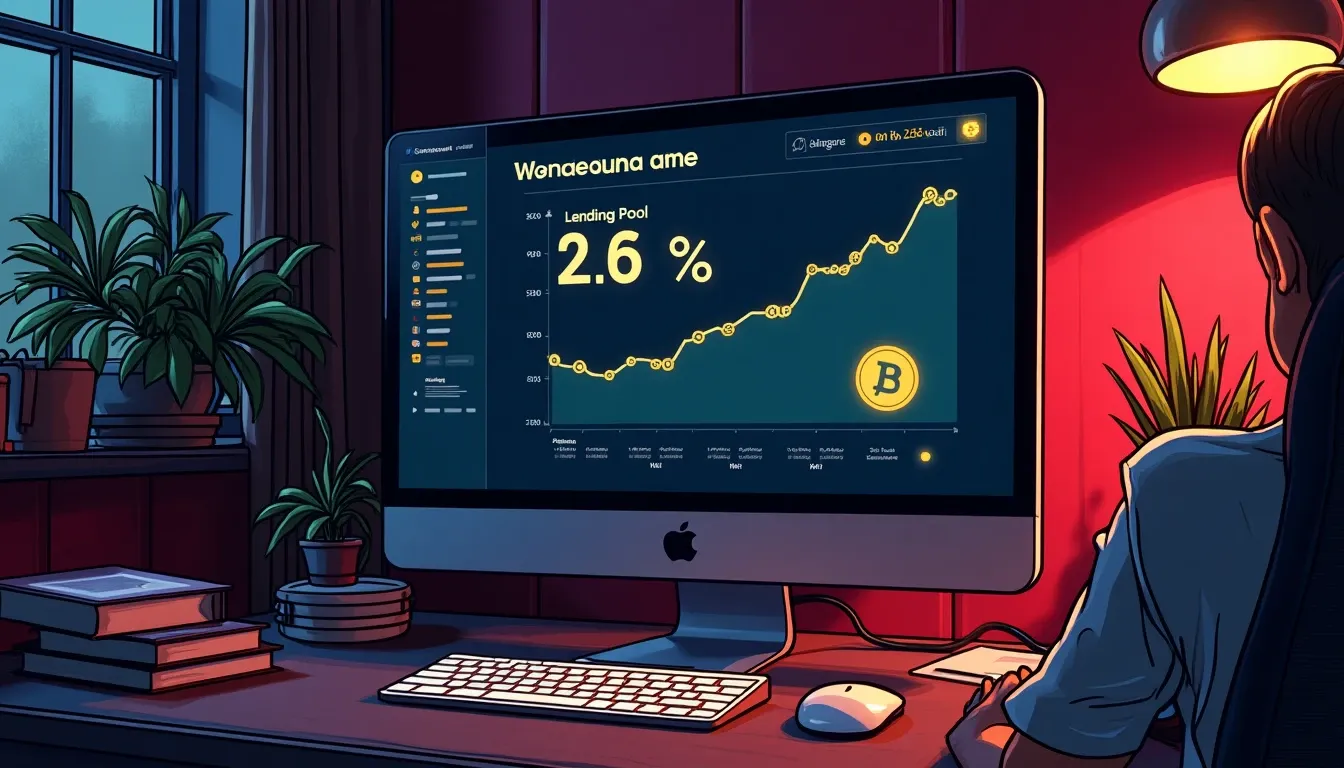
Supply USDC to Aave, Morpho, or Compound and earn 3.5-8% APY. Here's how the variable-rate mechanism works, where yield comes from, and what breaks first.
Impermanent loss occurs when providing liquidity to AMMs. The mechanism, worked examples, when fees offset it, and why over 50% of LPs lose money.
Which DEX aggregator delivers the best execution for your trade size? 1inch, Matcha, CoWSwap, ParaSwap, LI.FI, and Odos compared on routing, fees, and MEV protection.
The SEC's 421-page transfer agent proposal addresses blockchain custody infrastructure, creating regulatory pathways for tokenized securities and onchain record systems.
Category-organized review of leading DeFi protocols covering lending, DEXs, derivatives, and yield aggregators with TVL data, yield sources, and failure modes.
Step-by-step guide to becoming a liquidity provider on Uniswap and Curve. Fee tier selection, concentrated liquidity ranges, and the impermanent loss math that determines profitability.