
Is Trust Wallet Safe? Attack Vectors And What Actually Broke
Trust Wallet is non-custodial but not attack-proof. December 2025 saw $7M stolen via browser extension compromise. Here are the documented incidents and reproducible risks.
Trust Wallet is non-custodial but not attack-proof. December 2025 saw $7M stolen via browser extension compromise. Here are the documented incidents and reproducible risks.

FTX returned 118%, Celsius returned 30 cents on the dollar. The difference was not luck. It was how assets were legally held when the platform failed.
Wagering requirements turn a $100 bonus into a $3,500 playthrough obligation. Here's the math that separates profitable offers from bonus traps.

Running parallel wallets multiplies airdrop eligibility in theory but triggers detection in practice. Here's the breakeven math and the clustering methods that disqualify 40% of claimants.

MiCA Title III and IV provisions shape which yield strategies EU users can deploy. Which vehicles remain compliant, which are grey-zone, and what changed July 1, 2026.

Structural yield comes from protocol fees and persists across cycles. Cyclical yield comes from emissions and disappears when the market turns. Confusing them costs capital.
Coinbase charges 35% commission on staking rewards. Lido takes 10%. Solo staking takes none but requires 32 ETH and hardware. Here's what each path nets you after fees.

Spot ETH staking ETFs pass 2.0% to 2.6% net yields through brokerage accounts. Here's the fee structure, tax treatment, and custody trade-offs versus direct holdings.

Stake and BC.Game head to head on license jurisdiction, VIP rakeback math, withdrawal caps, bonus terms, and trust incidents. One wins decisively.
Most affiliate programs pay 25-45% RevShare on NGR, not GGR. The difference costs affiliates 15-40% of expected income. Here's how the commission math actually works.

Rev. Rul. 2023-14 sets the IRS position: staking rewards are ordinary income when you gain dominion and control. Here is what that test means.
Learn the cycle-aware framework for accumulating ETH for long-term staking. Historical patterns from 2018-19 and 2022-23 reveal when to build positions that earn yield across cycles.

Rakeback rates advertise 20%, but effective returns differ by tier. Here is the actual progression math at Stake, BC.Game, and Rollbit, plus the threshold where chasing the next tier costs more than it returns.
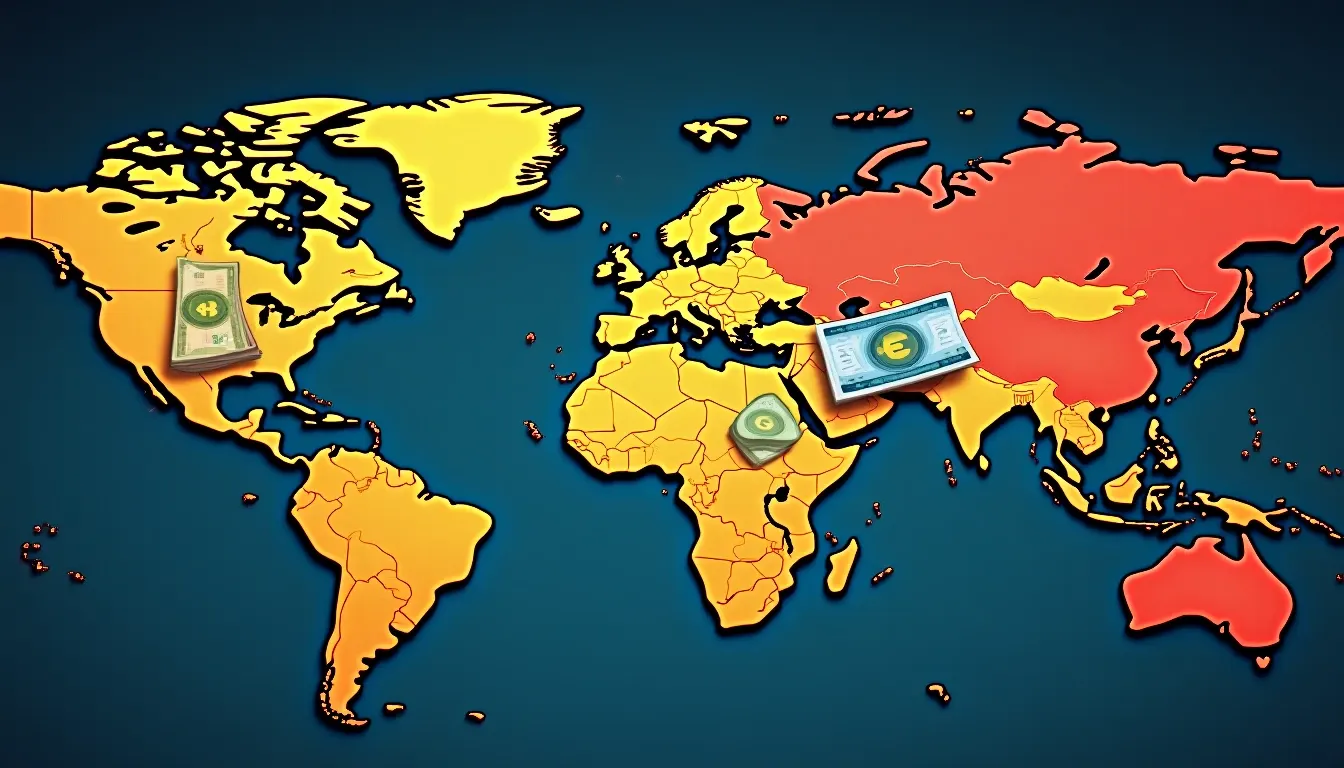
Argentina peso-USDC flows, Turkey lira-USDT platforms, Nigeria naira routing. Where stablecoin yield is survival infrastructure, not financial optimization.
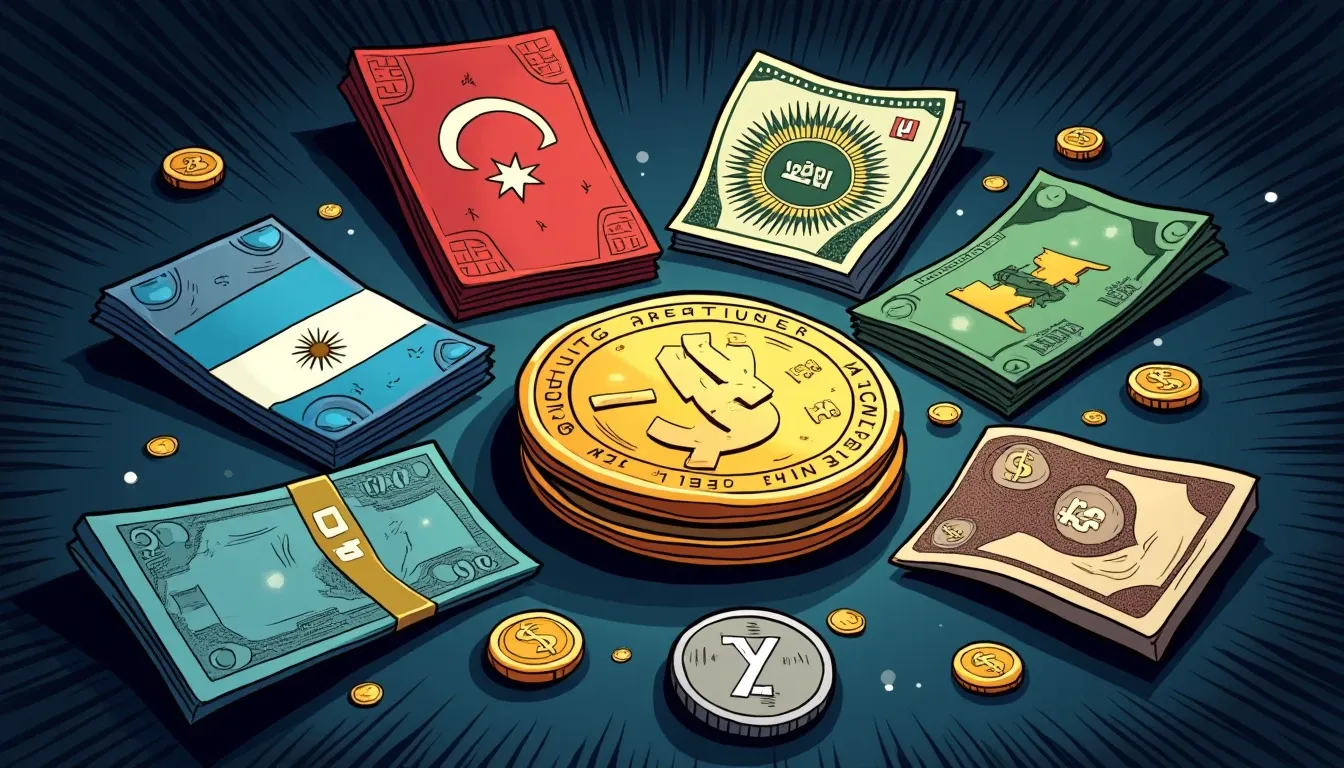
Argentina peso-USDC flows, Turkey lira-USDT platforms, Nigeria naira routing. Where stablecoin yield is survival infrastructure, not financial product.
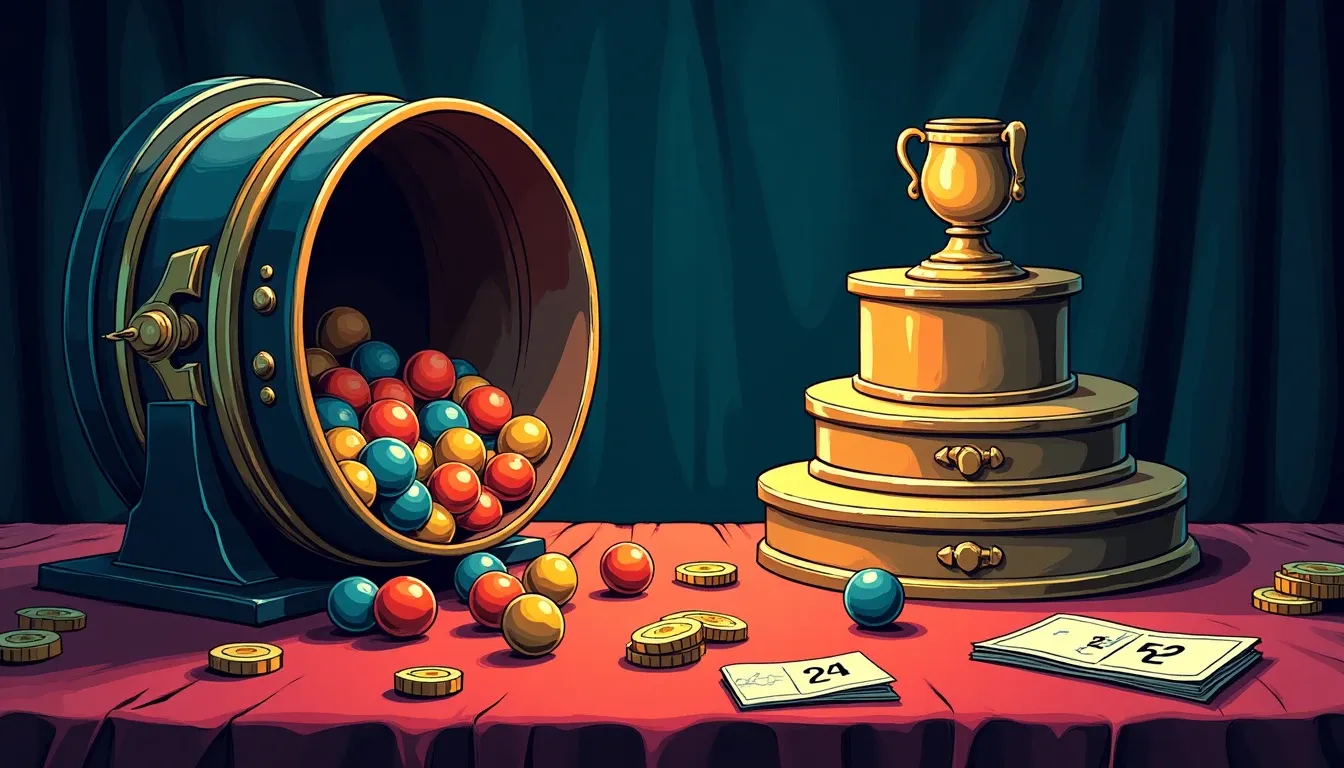
Launchpads promise early token access. Most deliver 3-28% allocation odds, staking costs that exceed expected returns, and lottery mechanisms where capital locks for weeks with no guarantee.