
Polygon NFT Marketplaces: OpenSea Versus Magic Eden
Magic Eden exited Polygon in March 2026. OpenSea's optional royalties mean creators collect 30-50% of set fees. Element Market and OKX offer alternatives.
Magic Eden exited Polygon in March 2026. OpenSea's optional royalties mean creators collect 30-50% of set fees. Element Market and OKX offer alternatives.

Traditional streaming pays $3-5 per 1,000 plays after 2-8 months. NFT platforms promise 24-hour settlement but Royal still depends on distributor timing.
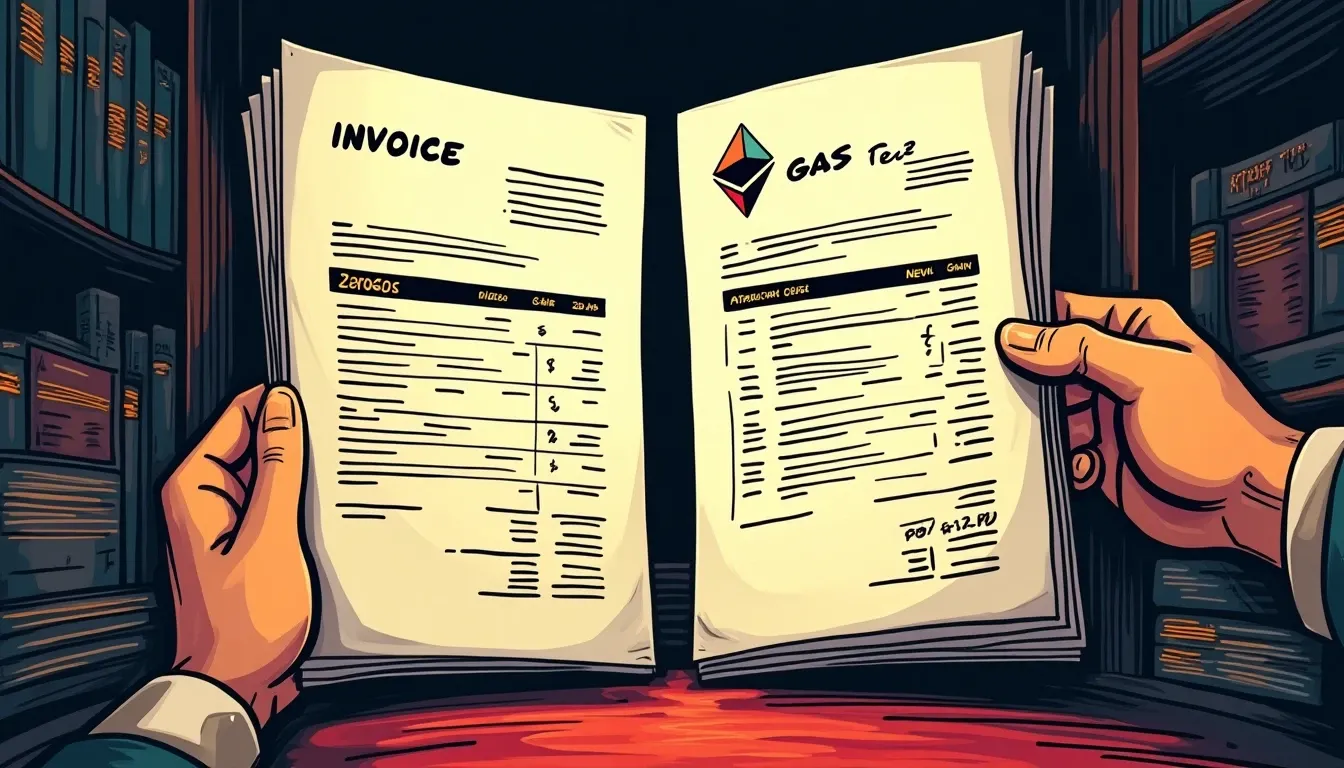
Free NFT platforms extract 2.5-15% in commissions plus deferred gas fees. Direct on-chain minting on Polygon or Arbitrum costs $0.05-$0.35 total. Here's the math.

NFT minting costs range from $0.00 on Polygon lazy mints to $0.047 on Ethereum. Platform fees and storage add $5-20/month. Here are the real numbers.

Exiting NFT yield positions requires unstaking, claiming rewards, and calculating marketplace fees. Here is the full workflow with gas costs and timing.

Most NFT royalties are marketplace-optional. This guide covers minting on OpenSea, Blur, and Foundation, realistic royalty payment rates, and when gas costs exceed returns.

Most NFT royalty coverage focuses on settings. This measures actual income by enforcement mechanism and shows why identical 5% royalty settings yield 0-10%.
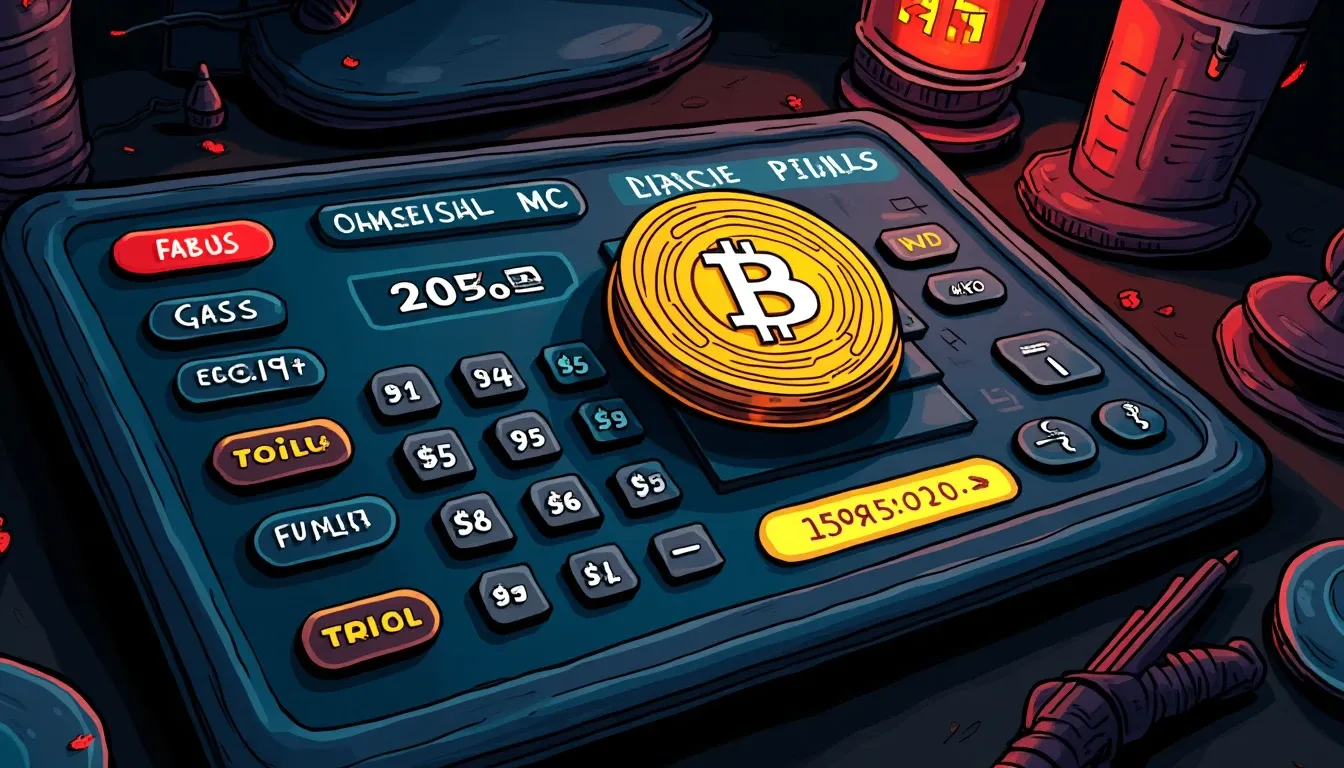
No NFT sale is free because of gas fees. This calculates actual net proceeds across OpenSea, LooksRare, Polygon, and Solana after all transaction costs.
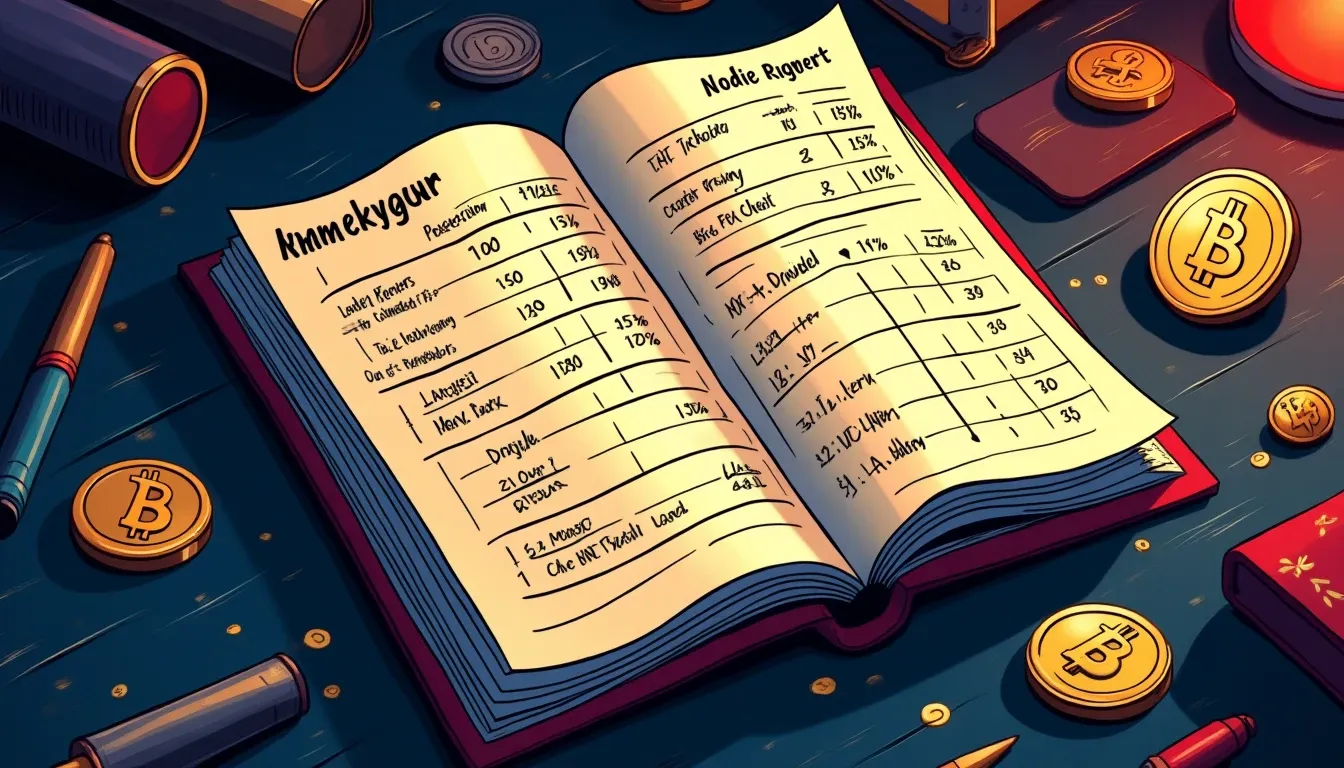
OpenSea holds 70% Ethereum volume at 1% fees with 30-50% royalty compliance. Blur shuts November 12. Magic Eden enforces 50-70% on Solana at 2%. Liquidity and creator income vary sharply.

Free NFT minting costs $0-2 in gas but generates zero income without $500+ marketing spend or existing distribution. Here is when it is useful.
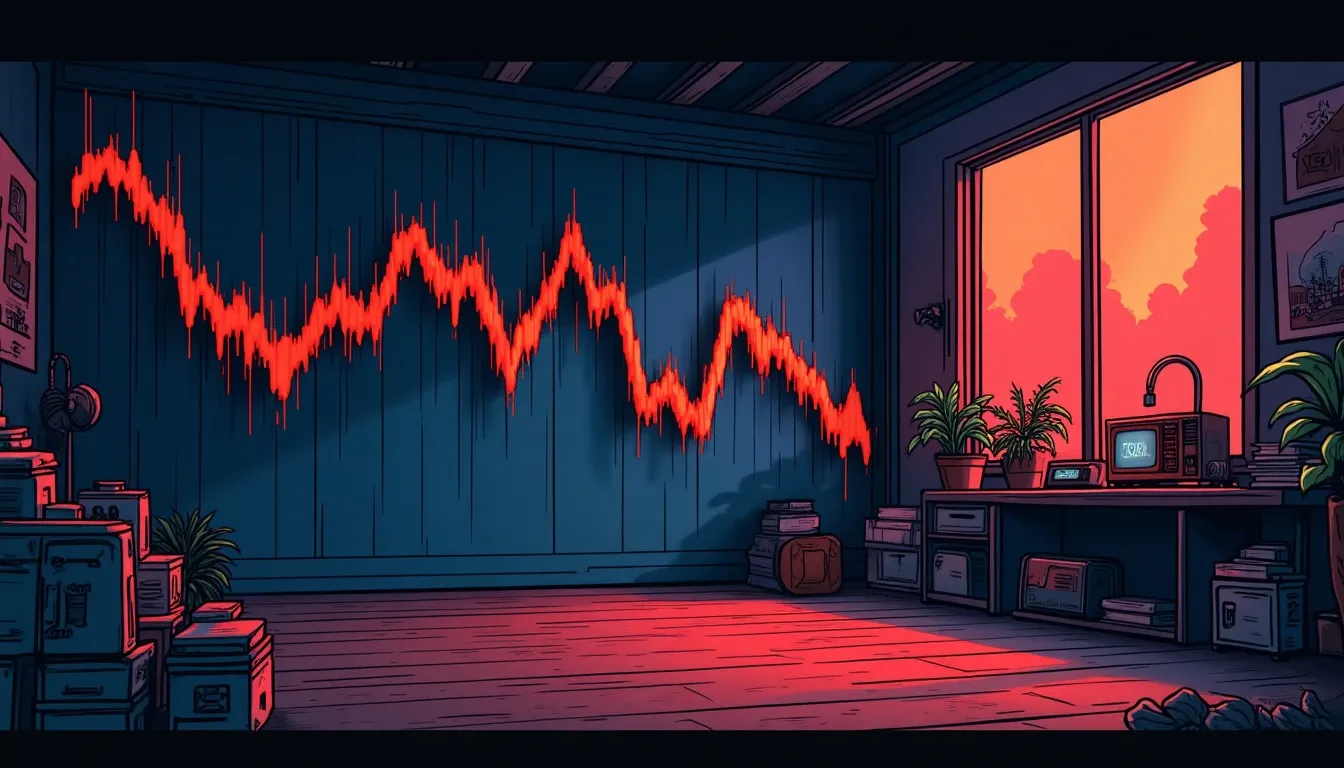
Record NFT sales from Beeple to CryptoPunks marked liquidity exits, not strength. Floor prices fell 90%+ after peak sales. Here is what sustained bid depth tells you.

NFTs are tokens pointing to metadata, often stored off-chain. The standard you choose and where you store files determine whether your income mechanisms survive.

Direct smart contract deployment on Polygon and Base eliminates platform fees. Here's the deployment method that costs under $1 and keeps 100% of secondary sales.
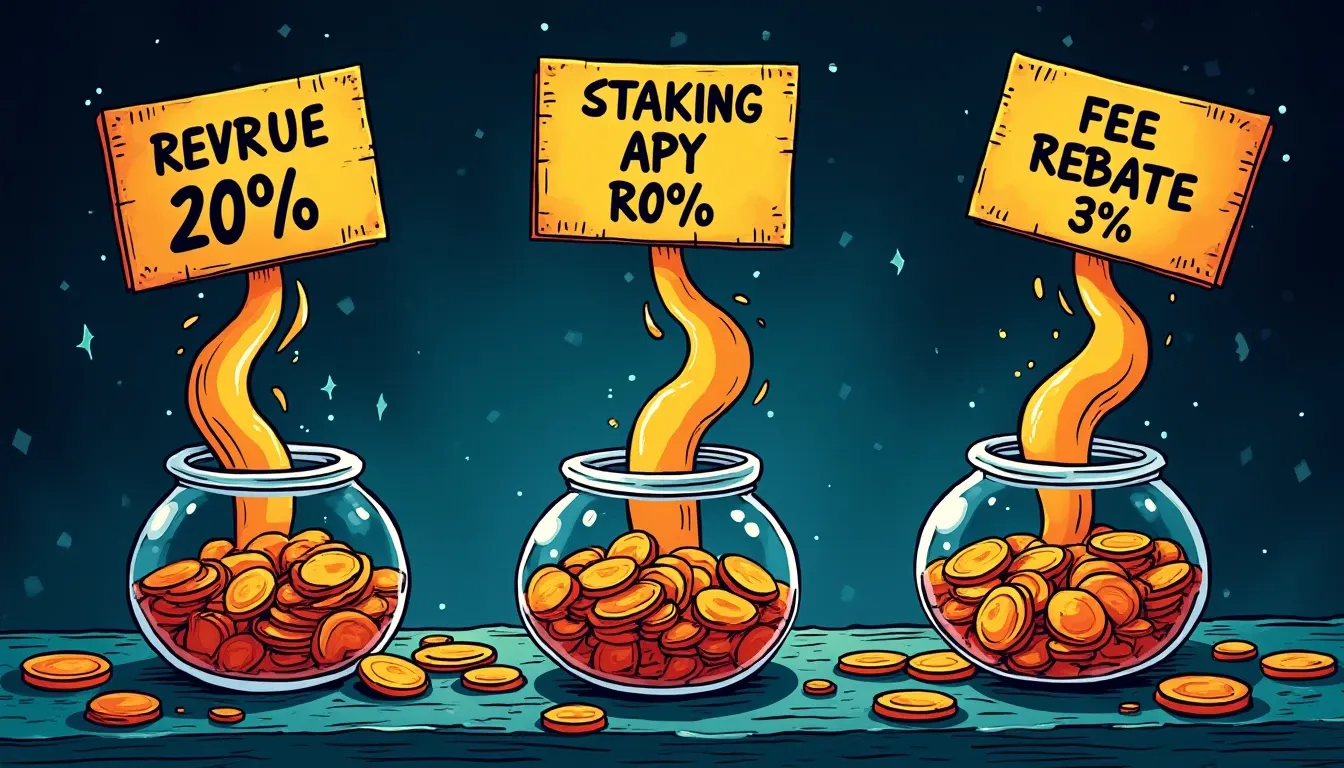
Most NFT marketplace income disappeared between 2022-2026 when royalties became optional. Here's what's left: staking yields, platform tokens, enforcement.
Instant NFT sales require accepting bids below floor or using AMM pools with 5-15% slippage. Floor price is not liquidity, and most collections need 24-72 hours to clear.
Deploying an NFT collection costs $16-$112 on Ethereum or under $1 on Layer 2. Contract choice, storage model, and gas optimization determine net revenue.