Table of Contents
The Question Everyone Asked in 2021, Answered in 2026
A non-fungible token (NFT) is a blockchain-based record of ownership for a unique digital or physical asset. The token itself lives on-chain. The asset it represents can be anything: a game item, an event ticket, a credential, a luxury watch, or a piece of art.
The word "fungible" means interchangeable. One dollar bill is fungible with another. One Bitcoin is fungible with another. NFTs are the opposite. Each token has a unique identifier and cannot be swapped one-for-one with another.
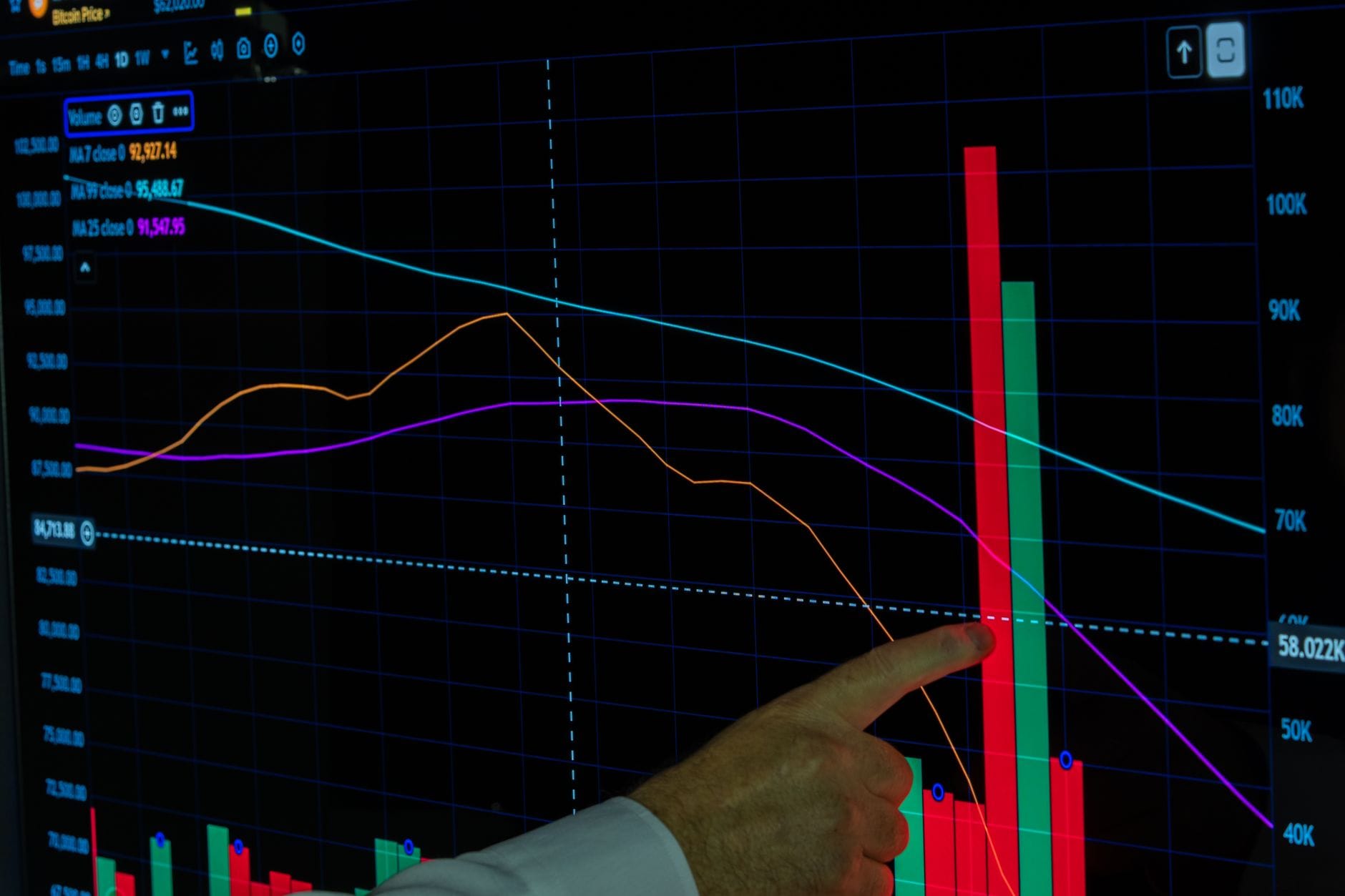
NFTs became infamous in 2021 for $69 million JPEGs and cartoon monkey profile pictures. Most of that collapsed. The floor price of the top-20 art NFT collections fell 95%. Thousands of profile-picture collections launched in 2021 and 2022 became worthless. Nike's RTFKT NFTs dropped from 3.5 ETH to 0.009 ETH, a 99.7% decline. Starbucks shut down its Odyssey program after two years.
But the technology did not die. Gaming NFTs now represent 38% of all NFT transaction volume. 12 million identity NFTs have been issued. Real-world asset tokenization using NFTs is a growing enterprise vertical. Over 12,000 NFT sales occur every day, and roughly 10,000 active wallets engage with NFTs daily.
The speculation disappeared. The use cases with real utility persisted.
How NFTs Actually Work
An NFT is a smart contract deployed on a blockchain. The contract conforms to a token standard, which defines how the token behaves. On Ethereum, the most common standard is ERC-721, published in January 2018. ERC-721 defines NFTs as unique, indivisible assets that can be transferred and tracked on the blockchain.
Each ERC-721 token has a unique token ID. The smart contract maintains a ledger of who owns which token ID. When you buy an NFT, the contract updates the ownership record. You do not download a file. You hold a cryptographic claim to a specific token ID.
The actual asset, such as an image or document, is typically stored off-chain on IPFS or a centralized server. The NFT metadata points to that location. The token proves you own the rights to that metadata. It does not prove you own the copyright or prevent someone from copying the file.
If you take a screenshot of an NFT image, you have a copy of the image. You do not have the token. The distinction matters in use cases where the token grants access, eligibility, or membership. Screenshots do not grant those rights.
ERC-1155: Batch Efficiency for Gaming
ERC-1155 is a newer standard that allows one smart contract to manage multiple token types, both fungible and non-fungible. This matters in gaming, where a player might hold hundreds of items. ERC-1155 enables batch transfers of multiple tokens at once, reducing transaction costs and processing time compared to ERC-721.
If you are buying a single high-value NFT, ERC-721 is the standard. If you are interacting with in-game inventories or mass-produced items, ERC-1155 cuts gas fees.
The Use Cases That Survived
The NFT market underwent a K-shaped recovery. Utility-driven NFTs in gaming, identity, and real-world asset tokenization grew. Speculative profile-picture collections collapsed.
Gaming
Gaming NFTs account for 38% of all NFT transaction volume. Games like Illuvium and Gods Unchained generate ongoing secondary market activity because the items have in-game utility. A tradeable card in Gods Unchained is used in competitive play. An Illuvium collectible has stats and abilities in an open-world RPG.
The items retain value because they have function. Players buy them to use them, not to flip them.
Identity and Credentials
12 million identity NFTs have been issued as of 2026. These tokens function as decentralized identifiers (DIDs) or verifiable credentials. An NFT can certify that you completed a course, hold a license, or belong to a verified community.
Combined with account abstraction and permissioned token logic, NFTs provide a portable on-chain identity layer. The credential is verifiable without relying on a central authority. The user controls the token and can present it wherever needed.
Real-World Assets (RWA)
Luxury brands use NFTs to anchor provenance for high-value goods. A watch manufacturer can mint an NFT that records the serial number, manufacture date, and ownership history. Combined with tamper-evident NFC tags, the NFT provides an immutable chain-of-custody record.
This is not speculative. It is operational infrastructure. The token does not appreciate in value. It serves as a verifiable receipt and lifecycle log.
According to Chainlink's research on RWA tokenization, NFTs can represent ownership of physical assets with legally enforceable claims, bridging on-chain and off-chain systems.
Access and Membership
NFTs are used as access tokens for events, software, and membership clubs. A token can expire after a set period or renew automatically via streaming payments. The venue or application checks your wallet for the token. If you hold it, you are granted access.
This model replaced the need for centralized ticketing platforms. The issuer mints the token. The holder proves ownership via their wallet. No intermediary.
Why Profile Pictures Failed
Most NFT projects launched in 2021 and 2022 had no utility. They were images with a blockchain receipt attached. Buyers speculated on social status and future resale value. When the market turned, both collapsed.
Thousands of near-identical profile-picture collections launched weekly throughout 2021 and 2022. Oversaturation destroyed scarcity. Social proof evaporated. Using an expensive cartoon as a profile picture lost its status signal value.
Brand abandonment followed. Nike shut down RTFKT. Starbucks killed Odyssey. DraftKings shuttered Reignmakers and faced a $65 million lawsuit. These were not small experiments. They were well-funded corporate initiatives that failed because the underlying value proposition was hollow.
Approximately 96% of NFT collections now show no trading activity or community engagement. The top-20 art NFT collections saw a 93% decline in floor price. The projects that survived had utility from the start.
Market Structure in 2026
The global NFT market is projected to reach $60.82 billion in 2026, but that figure includes projected enterprise integrations and tokenized real-world assets, not just speculative trading. The actual NFT market cap is estimated at $5.6 billion in 2026. Total NFT sales volume reached $2.8 billion in the first half of 2026.
Monthly Ethereum NFT trading volume averaged roughly $720 million in Q1 2026, with about 505,000 30-day active wallets. Ethereum dominates 62% of NFT contracts. Solana's NFT market processed over $2 billion in volume in 2025, led by Tensor and Magic Eden.
Three major platforms dominate activity. OpenSea processed $4.2 billion in cumulative volume during Q4 2025. Blur captured 38% of Ethereum NFT volume in early 2026. Magic Eden leads Solana and Bitcoin Ordinals trading.
42% of 2022's peak wallets remain active as of January 2026. This indicates a durable user base rather than seasonal tourists. Active participation grew 80% year-over-year, driven by utility rather than FOMO.
Transaction Costs by Chain
Gas fees vary by blockchain. Ethereum's average transaction fee hovers around $0.44 as of August 2025, but minting and transferring NFTs can cost $5 to $200 depending on network congestion. Time your transactions during weekends and early morning UTC (2 to 8 AM) when gas is lowest.
Solana charges $0.00025 per transaction. Polygon stays under $1. For high-value NFTs above $500, Ethereum offers the most liquidity and marketplace access despite higher fees. For beginners or low-value items, Polygon offers the best balance of cost and infrastructure.
Layer 2 solutions like Arbitrum, Optimism, and Base offer 10 to 100 times cheaper transactions with Ethereum security. If you are minting or trading frequently, use a Layer 2.
What Enterprise Integration Looks Like
Luxury fashion houses and major consumer brands are leveraging NFTs for loyalty programs and branded digital collectibles. These enterprises dominate because they have the infrastructure to integrate NFTs into existing customer databases and the marketing power to drive high-volume secondary market activity.
Enterprise NFT integrations grew 18% year-over-year in 2026. These are not speculative projects. They are operational systems embedded in ticketing, gaming, and loyalty platforms.
The incentive structure shifted. In 2021, NFTs were speculative assets. In 2026, they are infrastructure. The token is the access layer, the credential layer, or the provenance layer. Value accrues to the function, not the token.
How to Evaluate an NFT Project
An NFT is a token standard, not an asset class. Whether a specific NFT has value depends on what it represents and what utility it provides.
Ask these questions. Does the token grant access, membership, or in-game utility? Is there ongoing demand for that utility? Does the project have a sustainable revenue model, or is it reliant on new buyer inflows?
If the answer to the first question is no, the token is purely speculative. If the answer to the second question is no, the utility has no market. If the answer to the third question is no, the project will fail when speculation ends.
Most profile-picture collections failed all three tests. Gaming NFTs, identity tokens, and RWA projects pass them.
The Takeaway
NFTs are not dead. Speculation on NFTs as collectibles is dead. The technology persists because it solves real problems: verifiable ownership, portable identity, and immutable provenance. Gaming NFTs represent 38% of transaction volume because the items have function. Identity NFTs provide decentralized credentials without intermediaries. Real-world asset tokenization anchors chain-of-custody for luxury goods and industrial parts. The speculative floor price of generic profile pictures collapsed and will not recover. The NFTs that survived had utility from the start. If you are evaluating an NFT project in 2026, ignore the hype and ask one question: what does this token let me do that I could not do without it? If there is no clear answer, walk away.
Frequently Asked Questions
What does NFT stand for and what does it mean?
NFT stands for non-fungible token. Fungible means interchangeable, like one dollar bill with another. Non-fungible means unique. Each NFT has a distinct identifier and cannot be swapped one-for-one with another token. NFTs are blockchain-based records of ownership for unique digital or physical assets, such as game items, credentials, tickets, or tokenized real-world goods.
Why did most NFT profile picture collections fail?
Most profile-picture NFT collections failed because they had no underlying utility. They were images with blockchain receipts, relying entirely on speculation and social status. Thousands of nearly identical collections launched weekly in 2021 and 2022, destroying scarcity. When the market turned, social proof collapsed and floor prices fell 93% to 95%. Major brands like Nike RTFKT and Starbucks Odyssey shut down their NFT programs after massive value declines.
What are NFTs actually used for in 2026?
In 2026, NFTs are primarily used for gaming (38% of transaction volume), decentralized identity and credentials (12 million issued), real-world asset tokenization, and access or membership tokens. Gaming NFTs have in-game utility. Identity NFTs provide verifiable credentials without central authorities. Real-world asset NFTs anchor provenance for luxury goods and industrial parts. Access NFTs grant entry to events, software, or membership clubs, replacing centralized ticketing platforms.
How much does it cost to mint or trade an NFT?
Transaction costs vary by blockchain. Ethereum gas fees average around $0.44 but can range from $5 to $200 for NFT transactions depending on network congestion. Solana charges approximately $0.00025 per transaction. Polygon stays under $1. Layer 2 solutions like Arbitrum, Optimism, and Base offer 10 to 100 times cheaper transactions with Ethereum security. Time transactions during weekends and early morning UTC for the lowest Ethereum gas fees.
If I screenshot an NFT, do I own it?
No. Screenshotting an NFT gives you a copy of the image file, not ownership of the token. The NFT itself is a smart contract entry that records who owns a specific token ID. The distinction matters when the token grants access, membership, or in-game utility. A screenshot does not grant those rights. The token proves cryptographic ownership. The image is just metadata the token points to.