Table of Contents
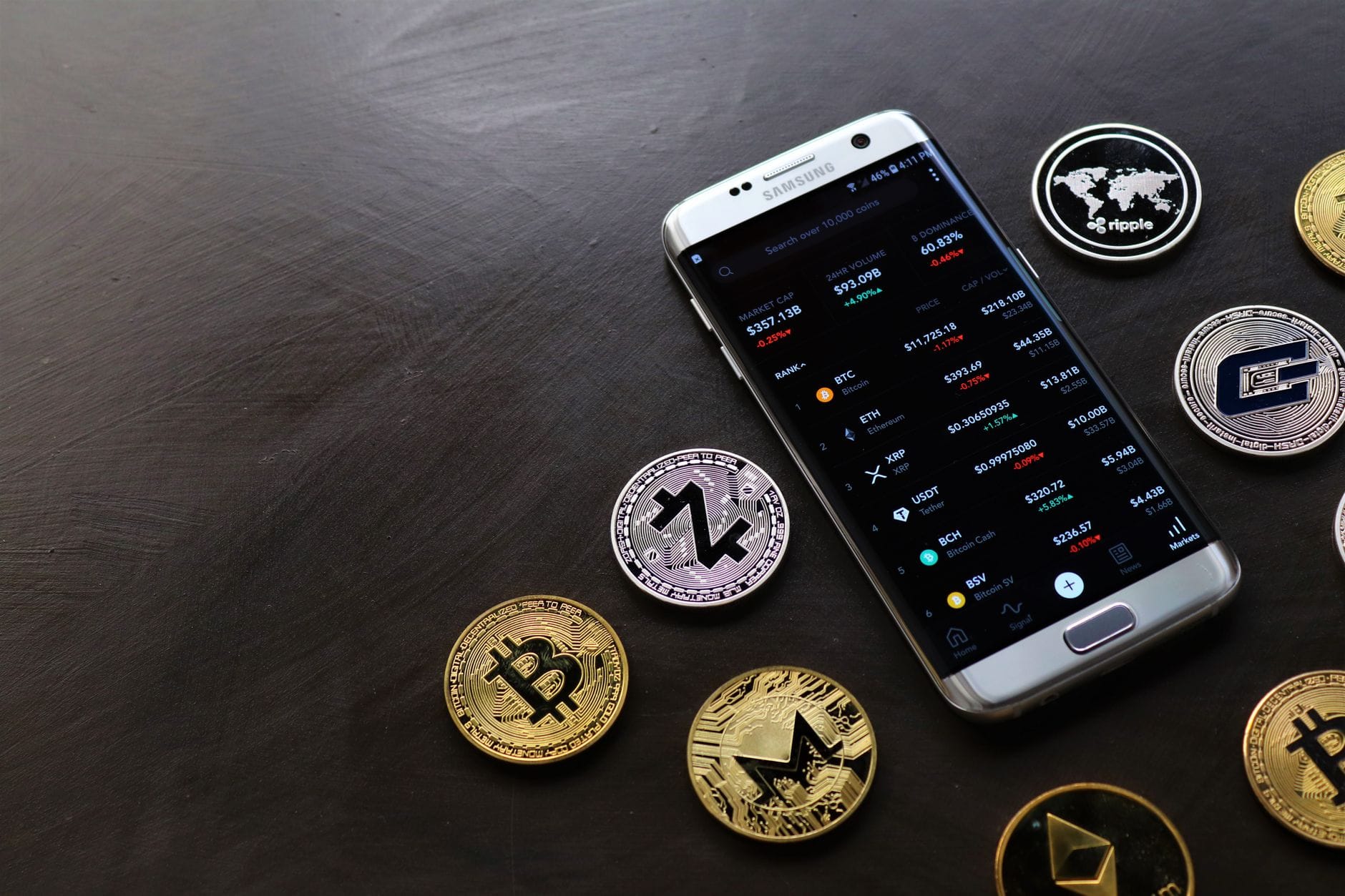
Bitcoin broke $80,000 on August 25, hitting $81,023.41 before pulling back to the current $79,000 level. The seven-day rally added 23% to Bitcoin's price, and U.S.-listed spot Bitcoin ETFs recorded $314 million in net inflows on Tuesday alone. For crypto casino operators, the move represents more than a market headline. It signals liquidity changes, deposit behavior shifts, and wagering pattern adjustments that affect operator economics directly.
The rally follows the U.S. Treasury's announcement that it will double the maximum size of its long-term bond buyback program to $4 billion per session. Positive sentiment around crypto legislation after a White House meeting between President Trump and representatives from Coinbase and Robinhood added momentum.
What Operators Saw During the Rally
Crypto casino operators typically see deposit spikes during sharp Bitcoin price increases. Players sitting on Bitcoin holdings become more willing to stake a portion of their holdings when the notional value increases rapidly. This is particularly true for Bitcoin-denominated casinos (those that price bets in BTC rather than converting to fiat equivalents).
The seven-day rally generated cumulative ETF inflows of $2.6 billion across Bitcoin and Ethereum products during the week ending August 21, with Bitcoin capturing $1.92 billion. That institutional demand signals renewed confidence, which filters down to retail players. When players feel confident about holding Bitcoin, they're more likely to deposit it into casino wallets.
Deposit Behavior and Wagering Patterns
Bitcoin price rallies complicate wagering behavior. Players depositing during a rally often treat their holdings as more disposable, leading to higher average bet sizes. But they also withdraw more frequently to lock in gains. Operators see this as increased churn, which affects GGR calculations.
For Bitcoin-denominated casinos, the dynamic is more pronounced. A player depositing 0.1 BTC at $60,000 (worth $6,000) sees that same 0.1 BTC worth $8,000 at $80,000. If the casino prices bets in BTC, the player's effective buying power hasn't changed. If the casino converts to dollar equivalents, the player now has more to wager. Most licensed operators convert to fiat equivalents for RTP and house edge consistency.
Liquidity and Treasury Decisions
Operators holding Bitcoin in treasury face decisions during rallies. Do they convert deposits to stablecoins immediately, or hold Bitcoin and accept volatility risk? Curaçao-licensed operators (the majority of crypto casinos) have no regulatory requirement to segregate player funds or hold reserves in specific currencies. MGA-licensed operators face stricter reserve and segregation requirements.
The liquidity question matters because Bitcoin's 23% rally can reverse just as quickly. Operators holding player deposits in Bitcoin during a downturn face margin pressure if withdrawals spike. Most large operators (Stake, Rollbit, BC.Game) convert to stablecoins or hold mixed reserves to manage this risk.
Withdrawal Pressure
During price rallies, withdrawal requests increase. Players want to cash out and realize gains. For operators, this means increased KYC workload and potential liquidity strain if reserves aren't structured appropriately. Operators with slow withdrawal processing (24-48 hours) face player complaints during rallies because every hour of delay represents potential lost value.
Instant withdrawal operators (those processing within minutes) have a competitive advantage during volatile periods. But instant withdrawals require deeper liquidity reserves and more sophisticated treasury management. The tradeoff is operational cost versus player retention.
ETF Inflows and Player Sentiment
August ETF inflows surpassed $3 billion, lifting cumulative inflows above $53.71 billion. The sustained institutional demand interrupts a long retreat from the October 2025 peak of $62.77 billion in cumulative inflows.
For casino operators, ETF demand matters because it influences retail sentiment. When institutional players pile into Bitcoin, retail players feel validated. That confidence translates into higher deposit volumes and longer session durations. Operators running bonus promotions during rallies see better conversion rates because players are more willing to meet wagering requirements when their holdings are appreciating.
Bonus Economics During Volatility
Bonus structures become more expensive for operators during Bitcoin rallies if they're denominated in BTC rather than fiat. A 100% deposit bonus up to 1 BTC costs the operator significantly more when Bitcoin is at $80,000 than when it's at $60,000.
Smart operators adjust bonus caps or shift to fiat-denominated bonuses during rallies. Others keep BTC-denominated bonuses but tighten wagering requirements (35x instead of 25x) to offset increased cost. Players should check whether bonus terms have changed recently. If wagering requirements increased without announcement, that's a red flag.
Provably Fair and Volatility
Provably fair mechanisms (the cryptographic systems that let players verify game outcomes weren't manipulated) don't change during price volatility. But player behavior does. During rallies, players are more likely to chase losses because they perceive their Bitcoin holdings as "house money." That's a cognitive bias, not a mathematical reality.
If you're playing during a rally, the house edge hasn't changed. RTP hasn't changed. The only thing that's changed is your perception of your bankroll. Treat your holdings as the dollar value they represent, not as "Bitcoin I got cheap."
Regulatory Attention During Rallies
Regulators pay more attention to crypto casinos during price rallies because problem gambling complaints increase. Players chasing losses during volatile periods are more likely to exceed their financial limits and file complaints.
MGA-licensed operators face stricter scrutiny because the Malta regulator requires deposit limit enforcement and self-exclusion tool availability. Curaçao-licensed operators face less oversight, but they're not immune. The Curaçao Gaming Control Board has increased enforcement actions in 2026, particularly around source of funds checks for large deposits.
If you're depositing during a rally, expect additional KYC requests if your deposit size is significantly larger than your historical average. That's standard AML procedure, not operator harassment.
Payment Processing and Chain Congestion
Bitcoin rallies often coincide with network congestion. When transaction volumes spike, so do fees. Operators accepting Bitcoin on the main chain face higher deposit and withdrawal costs, which they either absorb or pass to players.
Some operators have shifted to Lightning Network support or to accepting Bitcoin on sidechains (Liquid, Rootstock) to avoid main chain congestion. Others have dropped Bitcoin deposits entirely in favor of stablecoins on Tron or Binance Smart Chain. The same pattern is visible across crypto exchanges, where operators prioritize low-fee chains during high-volume periods.
The Takeaway
If you're depositing into a crypto casino during a Bitcoin rally, check three things.
First, verify whether your bonus terms are denominated in BTC or fiat. If they're in BTC and the operator hasn't adjusted the cap, you're getting more value. If they've tightened wagering requirements, you're not.
Second, check withdrawal processing times. Operators with slow processing during rallies are either understaffed or liquidity-constrained. Both are problems.
Third, set deposit limits before you start. Rallies create the illusion of disposable wealth. Your Bitcoin might be worth more in dollar terms, but the house edge hasn't changed. If you wouldn't risk $1,000 at $60,000 BTC, don't risk 0.0125 BTC at $80,000 just because it feels different.
Frequently Asked Questions
Do crypto casinos adjust bonus terms during Bitcoin price rallies?
Yes, many operators adjust bonus structures during rallies. Bonuses denominated in Bitcoin become more expensive when BTC price increases, so operators often tighten wagering requirements (from 25x to 35x or higher) or shift to fiat-denominated bonuses. Check the terms before claiming any promotion during volatile periods. If wagering requirements changed recently without announcement, that's a red flag about operator practices.
Why do crypto casinos have slower withdrawals during Bitcoin rallies?
Withdrawal processing slows during rallies because operators face higher request volumes and potential liquidity constraints if they hold player deposits in Bitcoin rather than stablecoins. Operators with poor treasury management may need to convert holdings during volatile periods, causing delays. Licensed operators under MGA jurisdiction face stricter reserve requirements, which typically prevents this issue. Instant withdrawal casinos maintain deeper liquidity reserves to handle volatility.
Should I deposit more into a crypto casino when Bitcoin price increases?
No. Bitcoin price appreciation doesn't change house edge or RTP on casino games. Players often treat rally gains as disposable wealth and increase bet sizes, but the mathematical odds remain identical. If you wouldn't risk a specific dollar amount at lower Bitcoin prices, don't risk the BTC equivalent at higher prices. Set deposit limits before playing, and remember that perceived wealth from unrealized gains isn't the same as actual disposable income.
Do crypto casino license jurisdictions matter during Bitcoin volatility?
Yes. MGA-licensed operators face stricter reserve segregation and player fund protection requirements, which reduce liquidity risk during volatility. Curaçao-licensed operators (the majority of crypto casinos) have no regulatory requirement to segregate player funds or maintain specific reserve ratios. During rallies, this difference matters because poorly capitalized Curaçao operators may face withdrawal delays if they hold too much player money in volatile assets like Bitcoin.
How do Bitcoin ETF inflows affect crypto casino player behavior?
ETF inflows signal institutional confidence, which influences retail player sentiment. When institutional demand is strong (like the $2.6 billion in combined Bitcoin and Ethereum ETF inflows during the week ending August 21), retail players feel validated and more willing to deposit into casinos. Operators see higher deposit volumes, longer session durations, and better bonus promotion conversion rates during periods of sustained ETF inflows because players perceive Bitcoin holdings as more stable.