
NFT Staking Custody Models Compared: Escrow vs Delegation
Escrow staking locks your NFT in a contract. Delegation keeps it in your wallet. Metadata flagging preserves full liquidity. The custody model determines what you lose.
Escrow staking locks your NFT in a contract. Delegation keeps it in your wallet. Metadata flagging preserves full liquidity. The custody model determines what you lose.
Vanguard does not offer its own crypto ETFs and has no plans to launch one. Here is what third-party products are available and how direct staking compares.
Validator staking pays 3.5-20% APY. Lending protocols offer 2.6-8%. LP fees depend on volume. Airdrop farming has no guaranteed return. Here is what each method actually requires.

Binance takes 72 hours, Coinbase charges 1% instant fees, Crypto.com claws back rewards. Here is the actual exit timeline and penalty structure across four major earn programs.

Binance charges up to 40% commission, Kraken up to 30%, Coinbase up to 35%. The difference is not just fees. It is who bears slash risk and what happens during insolvency.

Federal crypto tax rates depend on holding period and income type. Long-term gains face 0-20%, short-term and staking rewards hit 10-37%. Here is the bracket math.
Exchange staking charges 25-40% commission and locks capital for 30-90 days. Self-custody keeps full yield but adds protocol unbonding windows. Here's the math.
FTX returned 118%, Celsius returned 30 cents on the dollar. The difference was not luck. It was how assets were legally held when the platform failed.

Launchpads promise early token access. Most deliver 3-28% allocation odds, staking costs that exceed expected returns, and lottery mechanisms where capital locks for weeks with no guarantee.

Spot Bitcoin ETFs charge 0.14-1.5% annually. Ethereum ETFs cost 0.20-2.91% and skip staking yield. Direct ownership plus staking beats ETF wrappers unless you need an IRA.

Binance Earn advertises 3-4% on ETH. The question worth answering is where that yield comes from, who controls your capital, and what happens when the borrowing chain breaks.

Exchange staking charges 26-40% commission on rewards. Self-custody captures full yield but introduces operational risk. Here is the holding threshold where the trade-off tips.
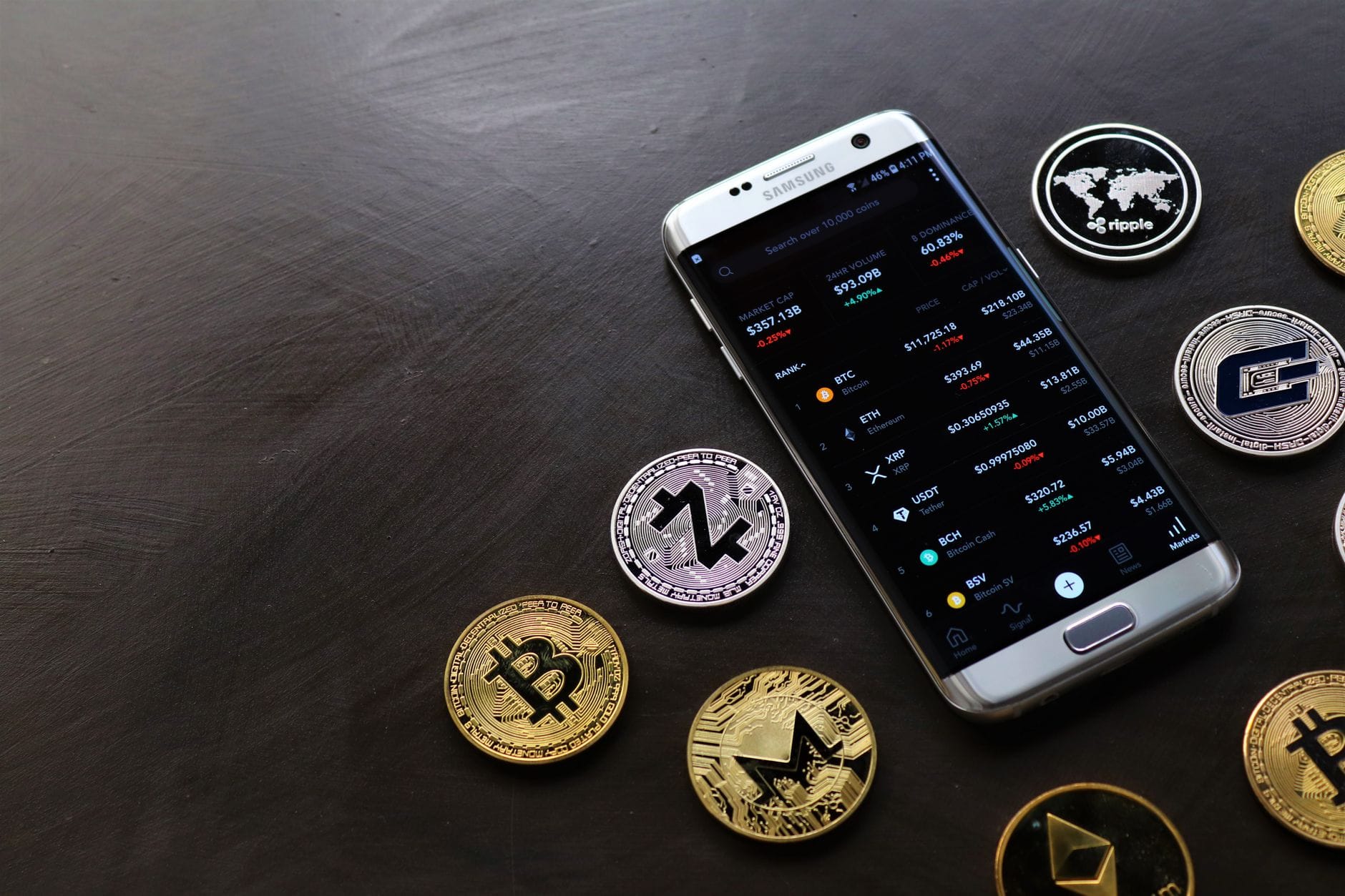
Solo staking needs 32 ETH and hardware. Pools let you start with 0.01 ETH. Liquid staking gives you tradable tokens. Here's the yield, risk, and capital trade-off for each.

Staking offers 3-8% APY with protocol risk. Lending delivers 3-5% with counterparty risk. Here's which fits your portfolio and when to use each strategy.

Solana's first network governance vote passed by a hair Friday, doubling the disinflation rate to 30%. Kraken's last-minute switch tipped the outcome.

Explore the world of staking and yield farming as passive income strategies with crypto.