Table of Contents
Bitcoin Faces Potential Downtrend Amid Diverging Market Sentiments on $82K Resistance
For many investors, Bitcoin epitomizes the twin forces of market volatility: it is both a high-risk venture and an opportunity for significant gain. The cryptocurrency's current standoff with the $82,000 resistance level exemplifies this dual nature, with traders showing a marked divergence in market sentiment. However, for those investors willing to dig deeper, this situation presents itself not as a threat, but as an enticing possibility for profit and growth.
The Significance of the $82K Resistance
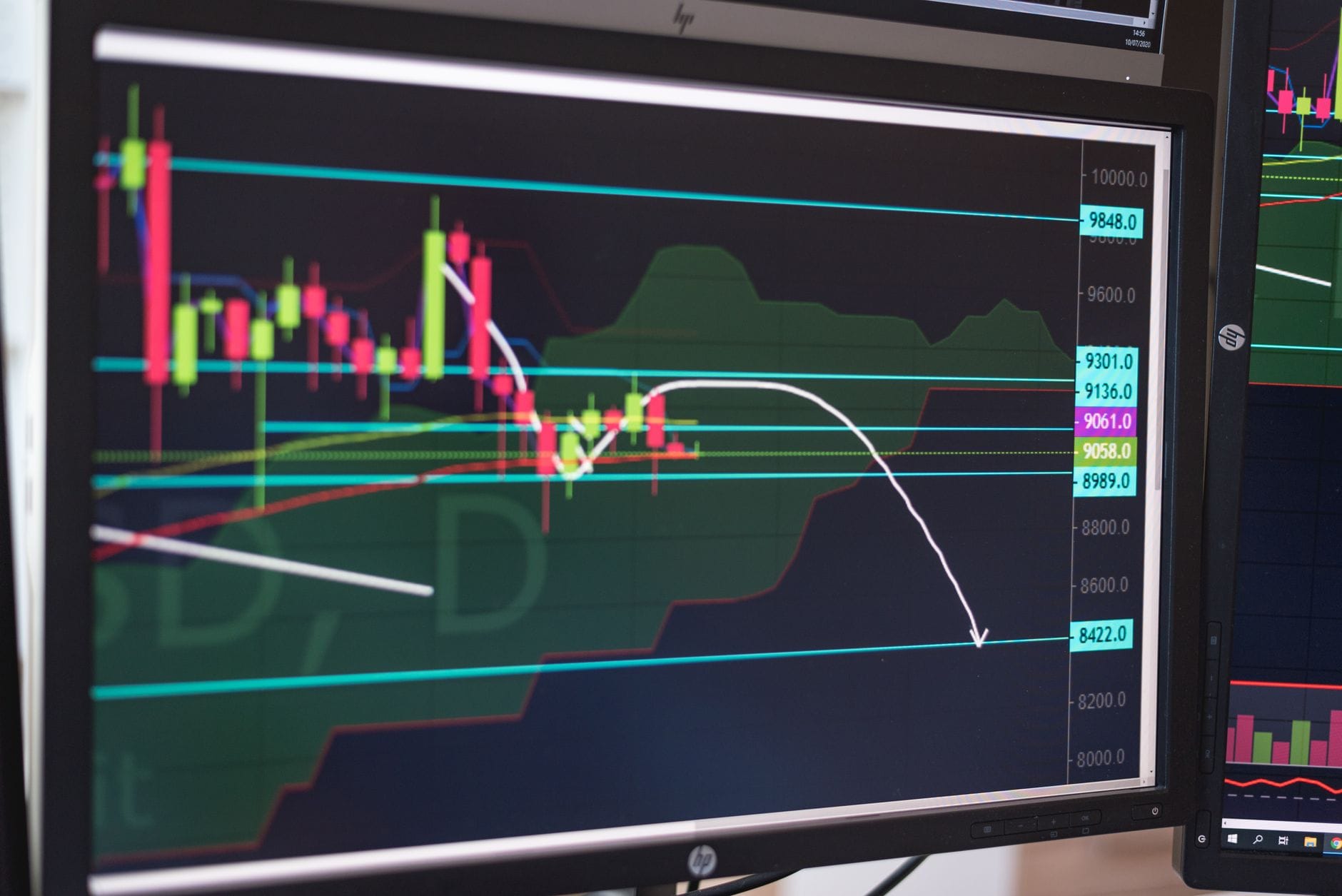
The $82,000 resistance threshold is more than just a number—it is a significant psychological milestone in the Bitcoin market landscape. As Bitcoin approaches this point, market participants find themselves at a virtual crossroads. Surpassing this resistance could herald a new bull run, while failure to do so might trigger a slide back into bearish territory. For some traders, this brings concerns about Bitcoin's ability to sustain higher price levels, leading them to forecast a probable downtrend.
Still, there's an alternate school of thought that views resistance points not just as hurdles to overcome, but as potential opportunities to capitalize on. If Bitcoin fails to break this ceiling and retreats, it might actually open a gateway for purchasing at more attractive price levels, especially for investors who hold a long-term perspective. Here, implementing a dollar-cost averaging approach could be particularly beneficial, allowing for strategic accumulation of Bitcoin by spreading investments over time to mitigate the impact of volatility.
The Role of Alternative Investments and Changing Market Dynamics
While Bitcoin faces its battles with resistance levels, exploring the landscape of altcoins often emerges as a prudent strategy. Diversifying into altcoins, especially those with lower market capitalizations, can yield unique asymmetric risk-reward potential. These digital assets, particularly those backed by strong fundamentals and innovative development teams, stand out as promising candidates for investment.
Moreover, Ethereum, together with various other established blockchain platforms, continues to gain momentum in the cryptocurrency space. Paying close attention to their developmental progress, such as advancements in scalability and adoption efforts, might reveal lucrative opportunities. Ethereum's transition to proof-of-stake and its scalability plans, for instance, have been of significant interest to investors looking for growth prospects beyond Bitcoin.
Embracing Volatility as a Strategic Advantage
This current phase of Bitcoin's price activity underscores an often-overlooked market axiom: volatility can act as an ally for those who know how to leverage it wisely. Market turbulence, when approached with tact, offers opportunities for strategic gains. Investors are advised to adopt comprehensive risk management strategies—implementing stop-loss mechanisms, performing regular portfolio audits, and staying updated with the latest market news—all of which enhance an investor's ability to steer through volatile periods with confidence.
Concluding Thoughts
As Bitcoin traders continue to grapple with the currency's path around the critical $82K mark, contrarian investors might find themselves relishing this scenario as a chance to recalibrate strategies rather than surrender to panic. By skillfully leveraging price retreats, diversifying their digital portfolios, and maintaining a balanced approach between risk and reward, traders can effectively transform an anticipated downtrend into a foundation for future growth.
Ultimately, achieving success in the unpredictable world of cryptocurrency often depends not only on one's knowledge but also on the capacity for swift adaptation and strategic foresight in response to unforeseen market changes. Astute investors remain ahead by actively engaging in strategic planning and preparation amid the characteristic volatility of cryptocurrency markets.