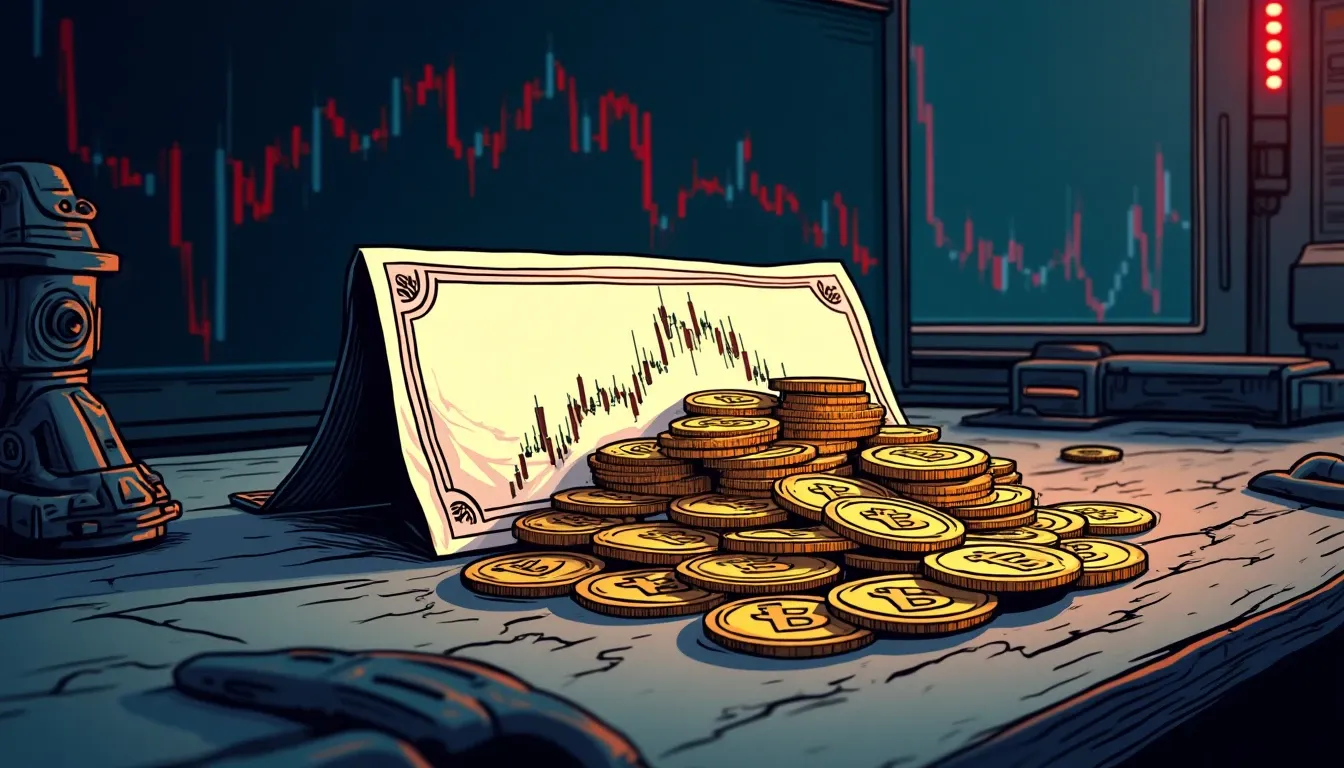
Strive's $280M Bitcoin Buy: Equity Dilution Strategy
Strive bought 3,311 BTC for $280 million using warrant exercises and share issuance, increasing outstanding shares by 9.4% while avoiding debt financing.
Strive bought 3,311 BTC for $280 million using warrant exercises and share issuance, increasing outstanding shares by 9.4% while avoiding debt financing.

A lending APY and a funded trading account both promise crypto income, but one prices your capital and the other prices your fee. The units do not match.

When the day finally slows down, how do you spend those free moments?

Points programs are zero-coupon bonds with default risk. Direct yield pays known rates with known counterparties. Here's the valuation framework and decision rule.

Most wallet comparisons ignore what matters for yield capital: transaction simulation accuracy, RPC privacy leaks, and multi-L2 balance tracking under real load.

IDO marketing advertises 500x Day-1 returns. The median 12-month return across full 2021-2023 cohorts, survivorship-adjusted, tells a different story.

Staking locks capital to secure proof-of-stake networks. Validators earn inflation, fees, and MEV. Nominal APY minus inflation equals real yield. Here's the full mechanism.

Ethereum requires 32 ETH to solo stake, Solana locks for 2-3 days, Cardano has no unbonding. Here are the real minimums, lock periods, and net yields after fees.
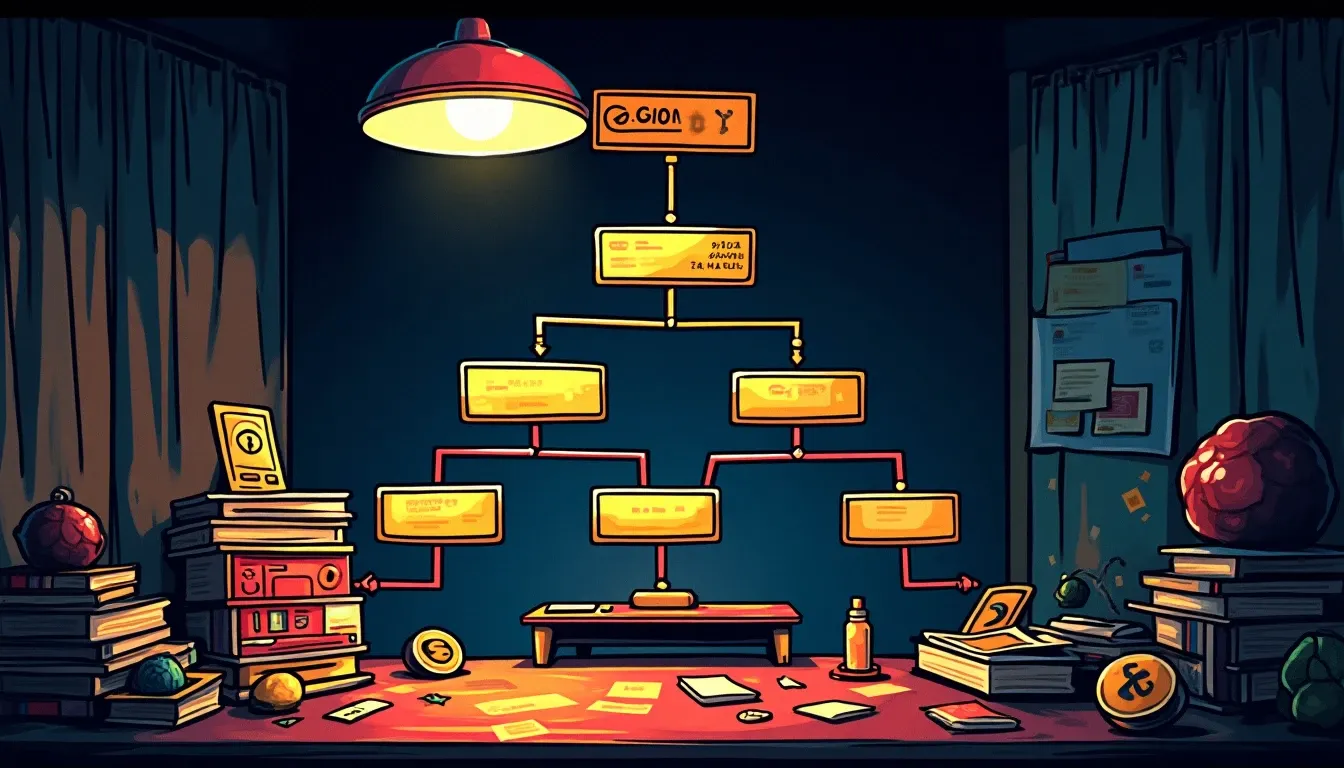
Analysis of 20+ historical airdrops reveals which on-chain behaviors protocols actually rewarded: transaction volume, duration, liquidity provision, and governance participation.
Lido offers 2.5% net yield on $27.6B TVL. Rocket Pool pays 2.94% with 4,000 permissionless nodes. Marinade delivers 6-7.5% on Solana. Depeg events erase months of gains.

Blur NFT marketplace closes after trading volumes collapsed 99% from peak. The shutdown reveals how token incentives fail to build durable trading activity.
Coinbase charges 35% commission on ETH rewards, Lido takes 10%, solo staking takes none. Net yield after fees matters more than headline APY.

Binance takes 72 hours, Coinbase charges 1% instant fees, Crypto.com claws back rewards. Here is the actual exit timeline and penalty structure across four major earn programs.
Real yield comes from protocol fees, spread, and external revenue. Fake yield comes from token emissions, subsidies, and recycled deposits. The question that separates them: where does the money actually come from?
Coinbase, Kraken, Binance, Gemini, and OKX compared by ACH speed, stablecoin depth, and total friction cost from fiat deposit to self-custody yield position.

Binance charges up to 40% commission, Kraken up to 30%, Coinbase up to 35%. The difference is not just fees. It is who bears slash risk and what happens during insolvency.