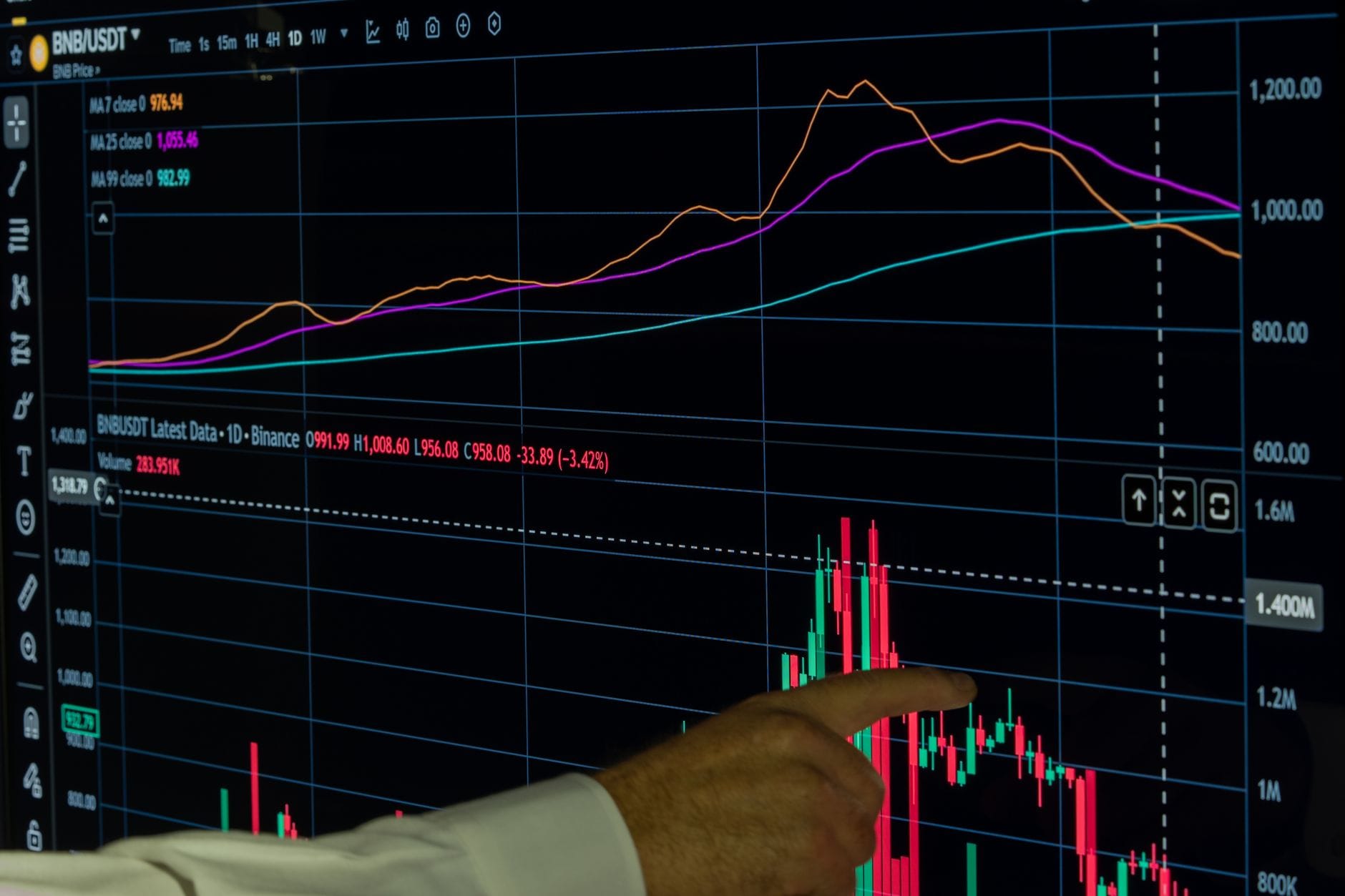
How To Provide Liquidity And Earn DEX Fees Safely
Concentrated liquidity on Uniswap v3/v4 earns 5-50x more fees than V2, but only if price stays in range. Here's the mechanism, the math, and the failure modes.
Concentrated liquidity on Uniswap v3/v4 earns 5-50x more fees than V2, but only if price stays in range. Here's the mechanism, the math, and the failure modes.

Supply USDC to Aave, Morpho, or Compound and earn 3.5-8% APY. Here's how the variable-rate mechanism works, where yield comes from, and what breaks first.

Impermanent loss occurs when providing liquidity to AMMs. The mechanism, worked examples, when fees offset it, and why over 50% of LPs lose money.

Which DEX aggregator delivers the best execution for your trade size? 1inch, Matcha, CoWSwap, ParaSwap, LI.FI, and Odos compared on routing, fees, and MEV protection.
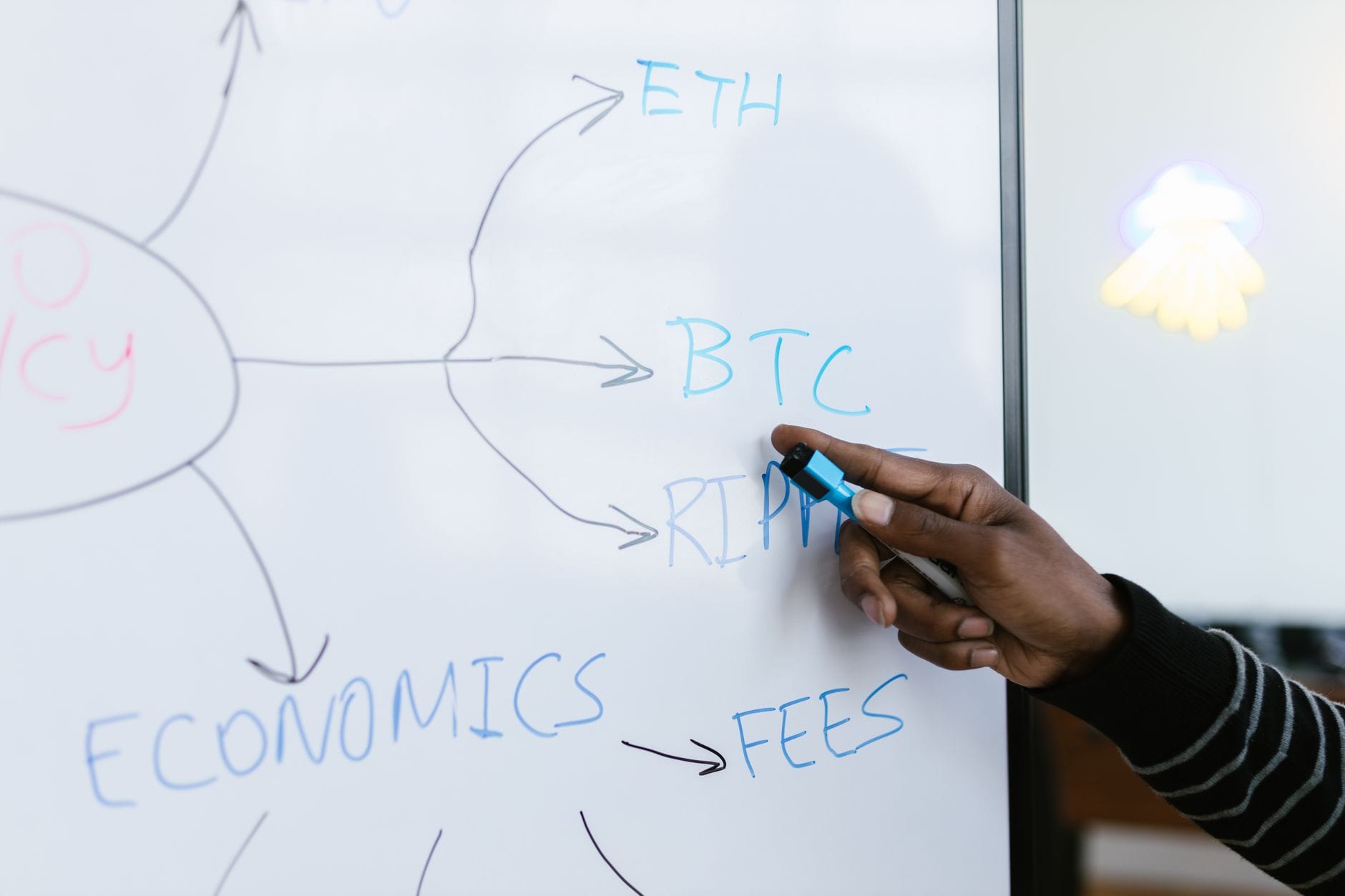
The SEC's 421-page transfer agent proposal addresses blockchain custody infrastructure, creating regulatory pathways for tokenized securities and onchain record systems.

Category-organized review of leading DeFi protocols covering lending, DEXs, derivatives, and yield aggregators with TVL data, yield sources, and failure modes.
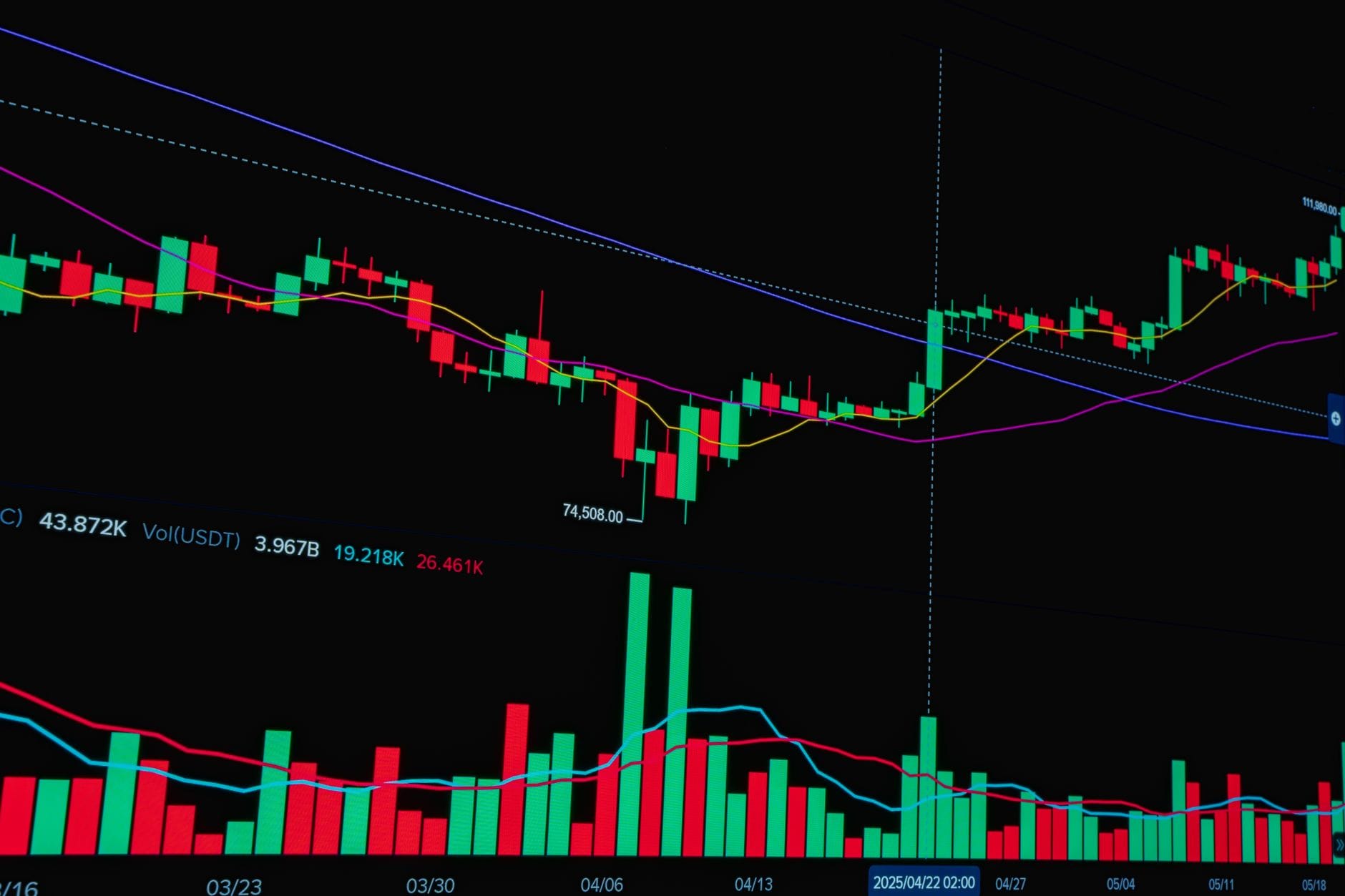
Step-by-step guide to becoming a liquidity provider on Uniswap and Curve. Fee tier selection, concentrated liquidity ranges, and the impermanent loss math that determines profitability.
Staking offers 3-8% APY with protocol risk. Lending delivers 3-5% with counterparty risk. Here's which fits your portfolio and when to use each.

Uniswap V3's concentrated liquidity dominates volatile pairs. Curve's StableSwap minimizes slippage on stablecoins. Each DEX solves a different problem.