
Best Web3 Wallets For Managing Yield Positions Across Chains
Most wallet comparisons ignore what matters for yield capital: transaction simulation accuracy, RPC privacy leaks, and multi-L2 balance tracking under real load.
Most wallet comparisons ignore what matters for yield capital: transaction simulation accuracy, RPC privacy leaks, and multi-L2 balance tracking under real load.
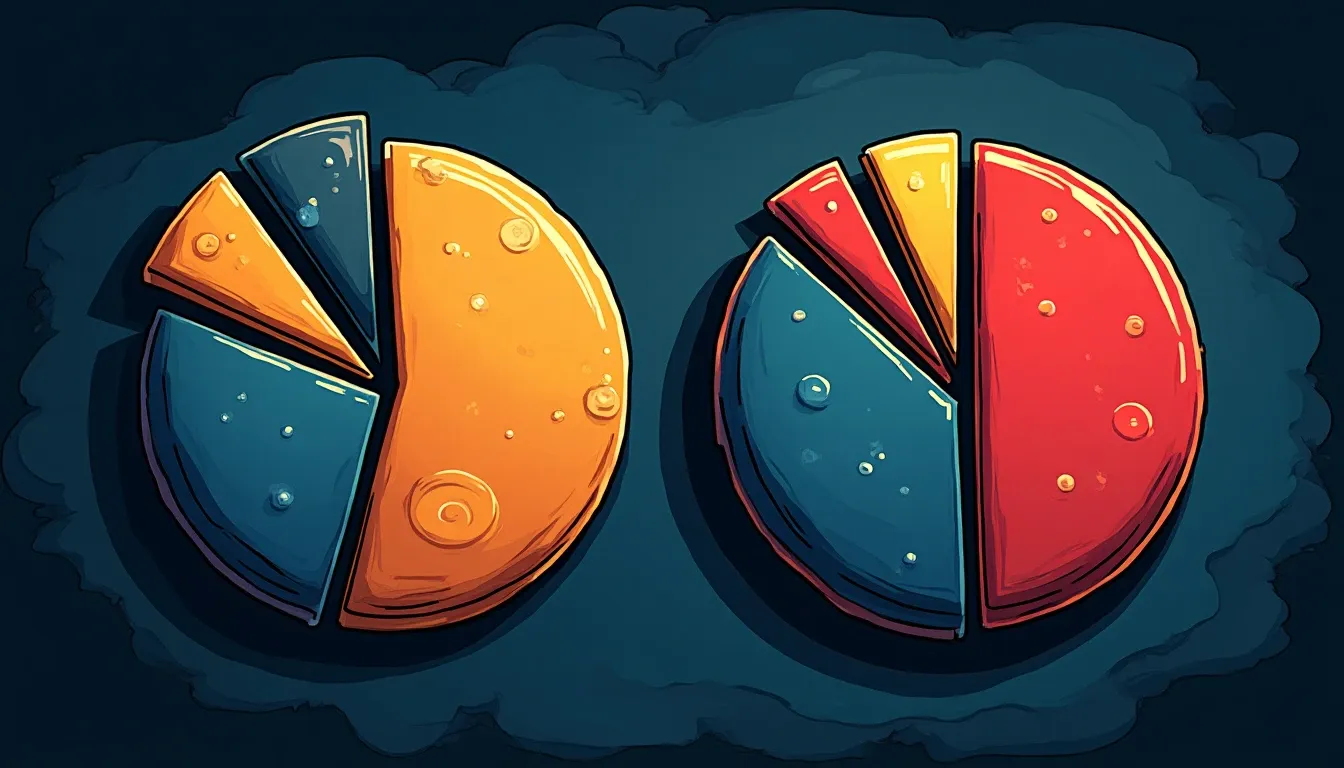
The gap between market cap and fully diluted valuation warns you about dilution ahead. Most low-cap losses are not thesis failure but unlock schedules in action.

Staking locks capital to secure proof-of-stake networks. Validators earn inflation, fees, and MEV. Nominal APY minus inflation equals real yield. Here's the full mechanism.

Ethereum requires 32 ETH to solo stake, Solana locks for 2-3 days, Cardano has no unbonding. Here are the real minimums, lock periods, and net yields after fees.

Coinbase charges 35% commission on ETH rewards, Lido takes 10%, solo staking takes none. Net yield after fees matters more than headline APY.

Binance takes 72 hours, Coinbase charges 1% instant fees, Crypto.com claws back rewards. Here is the actual exit timeline and penalty structure across four major earn programs.
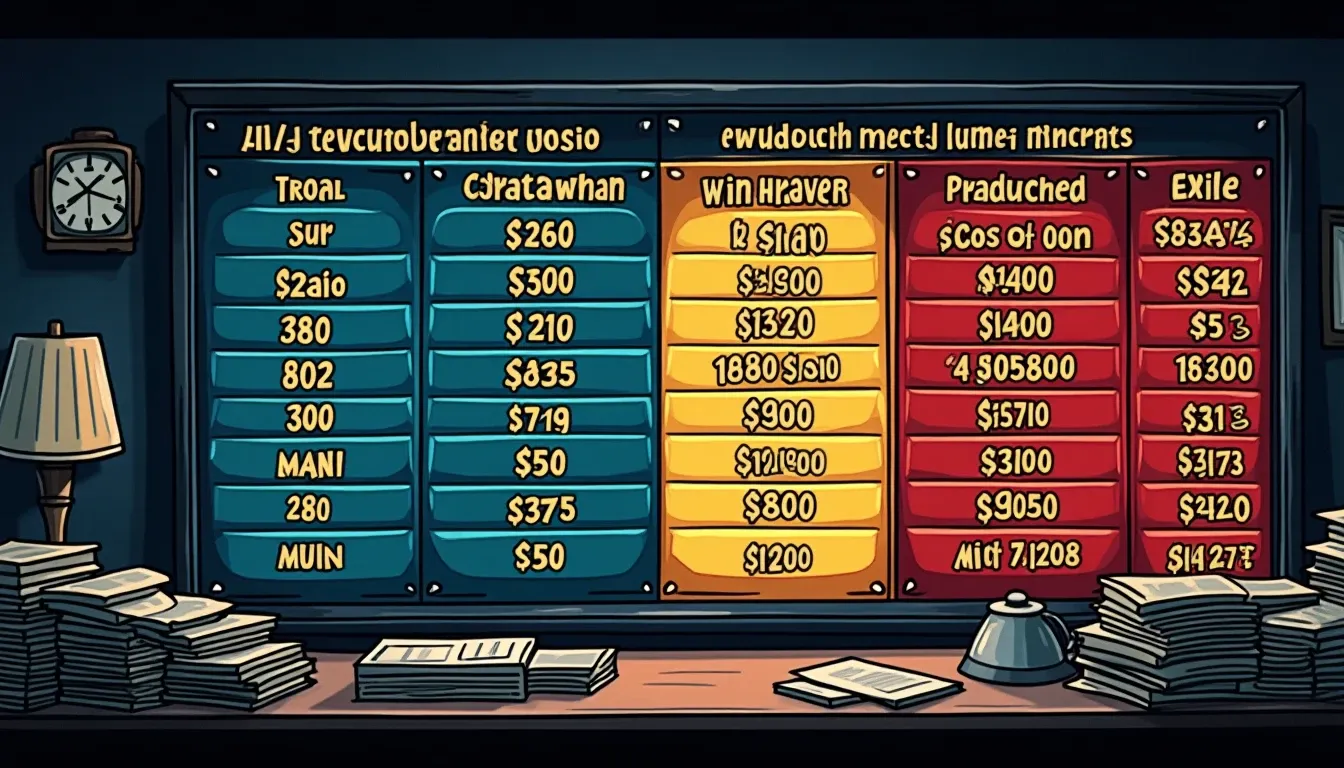
Coinbase, Kraken, Binance, Gemini, and OKX compared by ACH speed, stablecoin depth, and total friction cost from fiat deposit to self-custody yield position.

Binance charges up to 40% commission, Kraken up to 30%, Coinbase up to 35%. The difference is not just fees. It is who bears slash risk and what happens during insolvency.

Form 8949 reports realized crypto losses. The IRS allows $3,000 annually against income, but carryforward mechanics determine multi-year yield positions.

Real DeFi yield means verifiable income sources: Aave lending at 4-8%, Curve LP fees, Pendle fixed rates. Here is the risk stack framework and protocol selection logic.
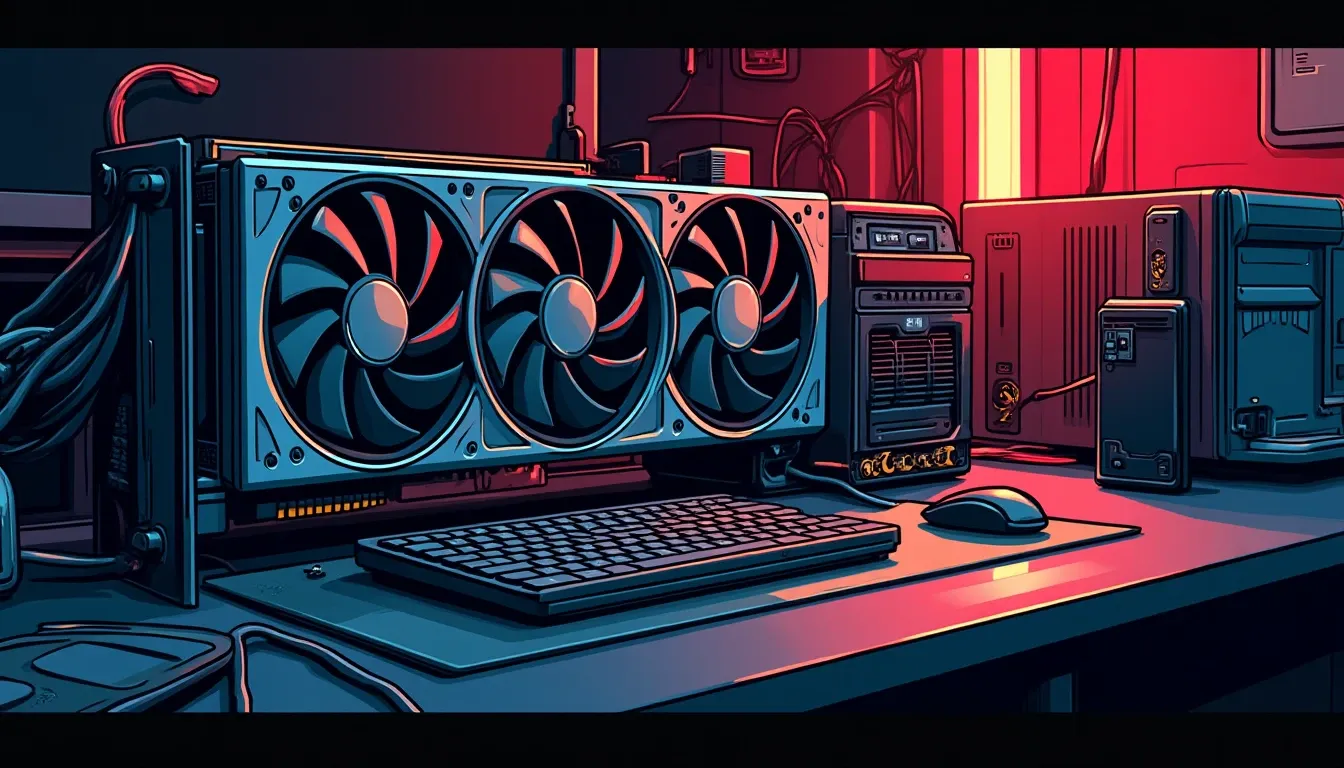
GPU miners retain 40-60% resale value after four years. ASICs drop to 10% after two. That difference changes the entire profitability equation.

Koinly uses read-only API access, but the Mixpanel breach in December 2025 exposed email addresses. Here is what data the platform actually sees and stores.

DEX execution quality determines whether your yield entry saves or costs you weeks of returns. Here is when to use Curve, when to split across aggregators, and when CEX wins.

Vast.ai, Akash, and Render pay GPU owners differently. Real earnings data, platform fees, and uptime requirements measured across three networks in 2026.
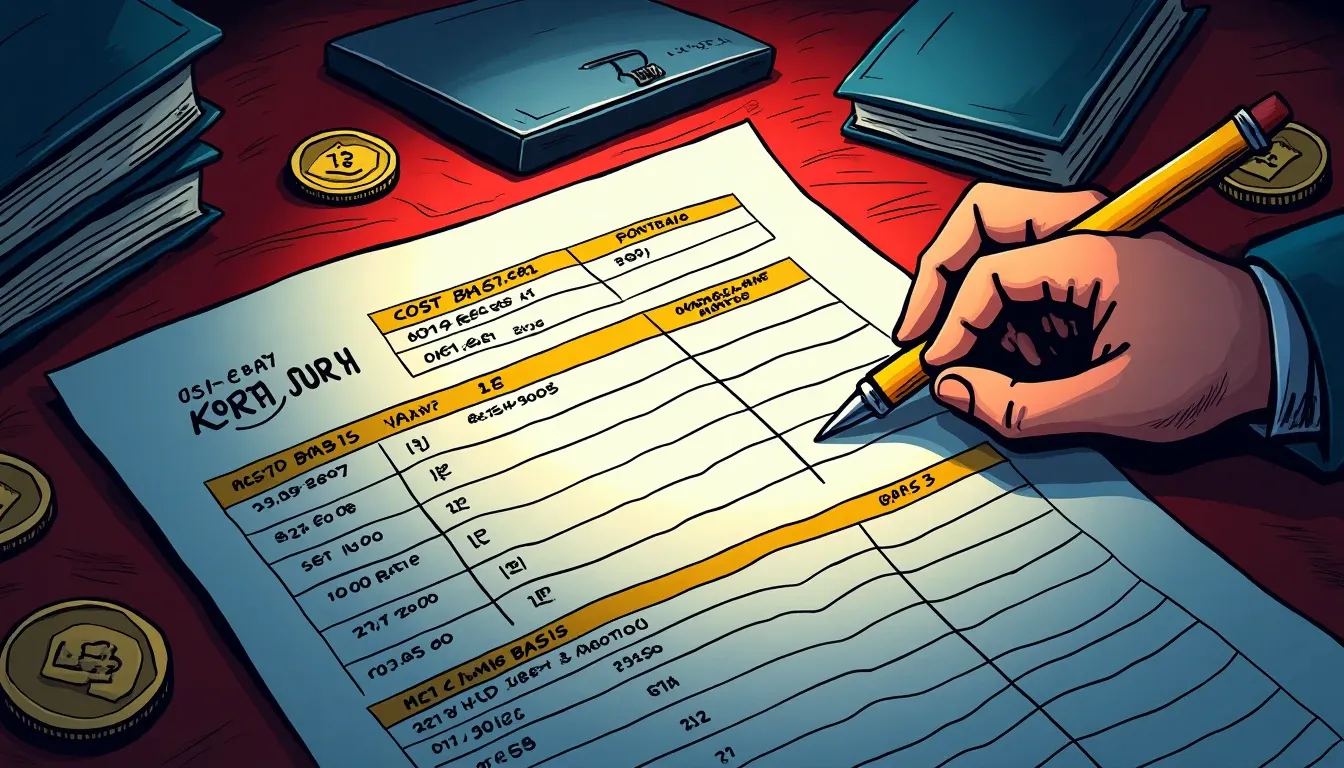
Form 8949 reports crypto capital gains, but cost basis gaps trigger audits or overpayment. Here is how to track basis across wallets, classify yield correctly, and file without errors.

TurboTax removed CSV crypto imports in 2026. Here is how to prepare staking, lending, and LP income externally and file Form 8949 without overpaying or triggering IRS scrutiny.