
SparkLend DAI At 2.71% vs Aave DAI At 3.07%: Where The Liquidity Moved
SparkLend holds $287M in DAI at 2.71% while Aave's DAI market vanished from $17M at 3.07%. The migration reveals structural rate durability, not just spreads.
SparkLend holds $287M in DAI at 2.71% while Aave's DAI market vanished from $17M at 3.07%. The migration reveals structural rate durability, not just spreads.

Aave V3 USDe supply rate collapsed from 4.75% to 0.59%. The break reveals the leverage loop mechanics underlying sUSDe and the specific thresholds to monitor.

The USDC-WETH pool dropped 4.15pp after falling 10.65pp weeks earlier. Two collapses in one quarter reveal what single snapshots miss about LP sustainability.

A 1.08pp decline on $326M TVL signals RWA-specific volatility invisible on-chain. Here is how to trace the mechanism and decide hold-vs-exit.

A 1.65pp rate jump on CVXCRV looks like free money until your deposit moves the rate against you. Here is the sizing math before you deploy.

The USDC-WETH pool rose from 12.59% to 19.4% APY in seven days. That 6.8-point spike reflects concentrated liquidity and volume, not sustainable income.
The WETH-USDT pool shows 10.77% APY on $111M TVL. Here is how fee volume sustains that rate, what impermanent loss does at 10%, 20%, 30% ETH moves, and the real net return after price drift.
The 2.38pp bUSD0 rate increase to 6.8% on $503M TVL is alpha yield plus T-bill base rate. The sustainability depends on USUAL token price, not just collateral.

Systematic review process for allocators with $200k-$800k across multiple protocols. Which metrics to check, alert thresholds to set, and when to rebalance vs. hold.
The frxUSD/msUSD, PYUSD/crvUSD, and pmUSD/crvUSD pools disappeared from tracking this week. Here is what happened and how to see it coming next time.
Russia and Turkey move $576 billion in crypto annually through a corridor most Western analysts ignore. The spread arbitrage is structural, not temporary.

Framework for selecting which testnets to participate in based on team credibility, funding, and historical payout ratios. Time invested versus token allocation reality.
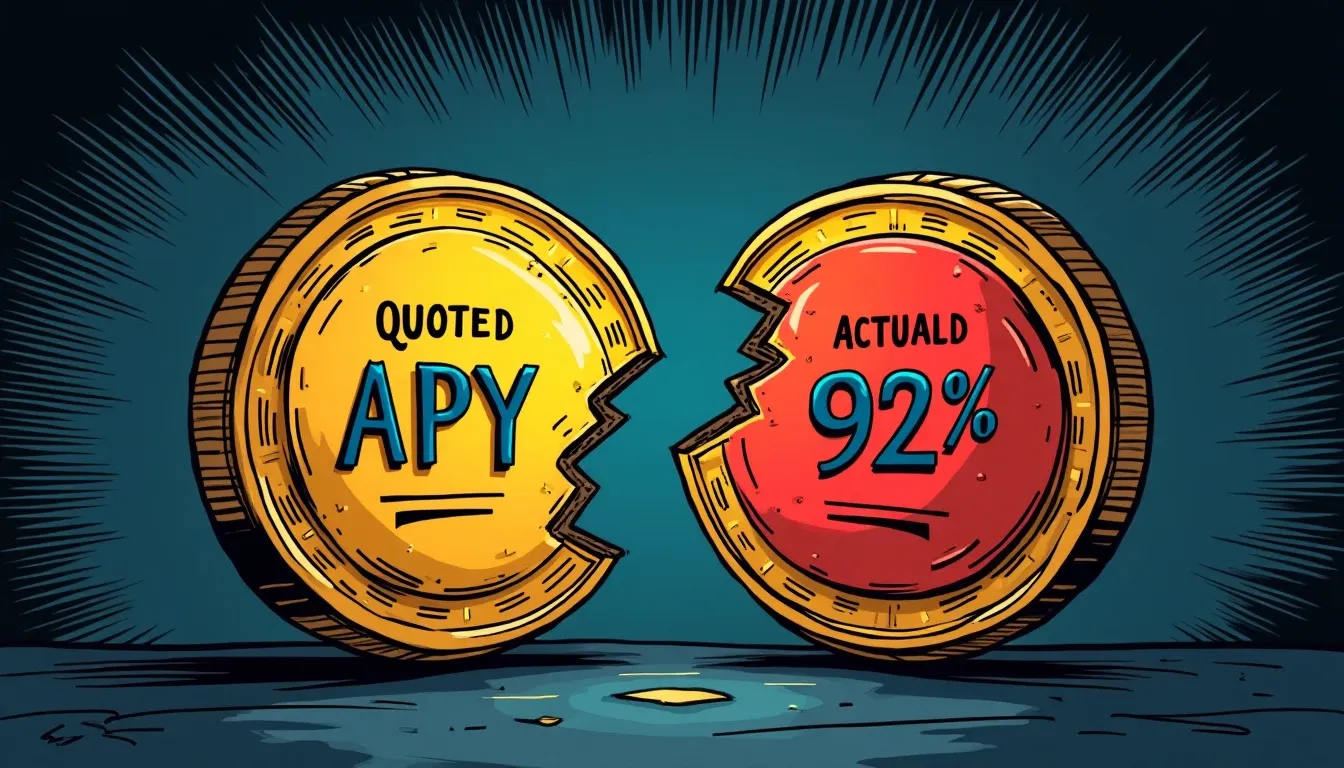
Most DeFi positions return 3-7 percentage points below quoted APY. Here is the five-component formula for measuring what a yield position actually nets.
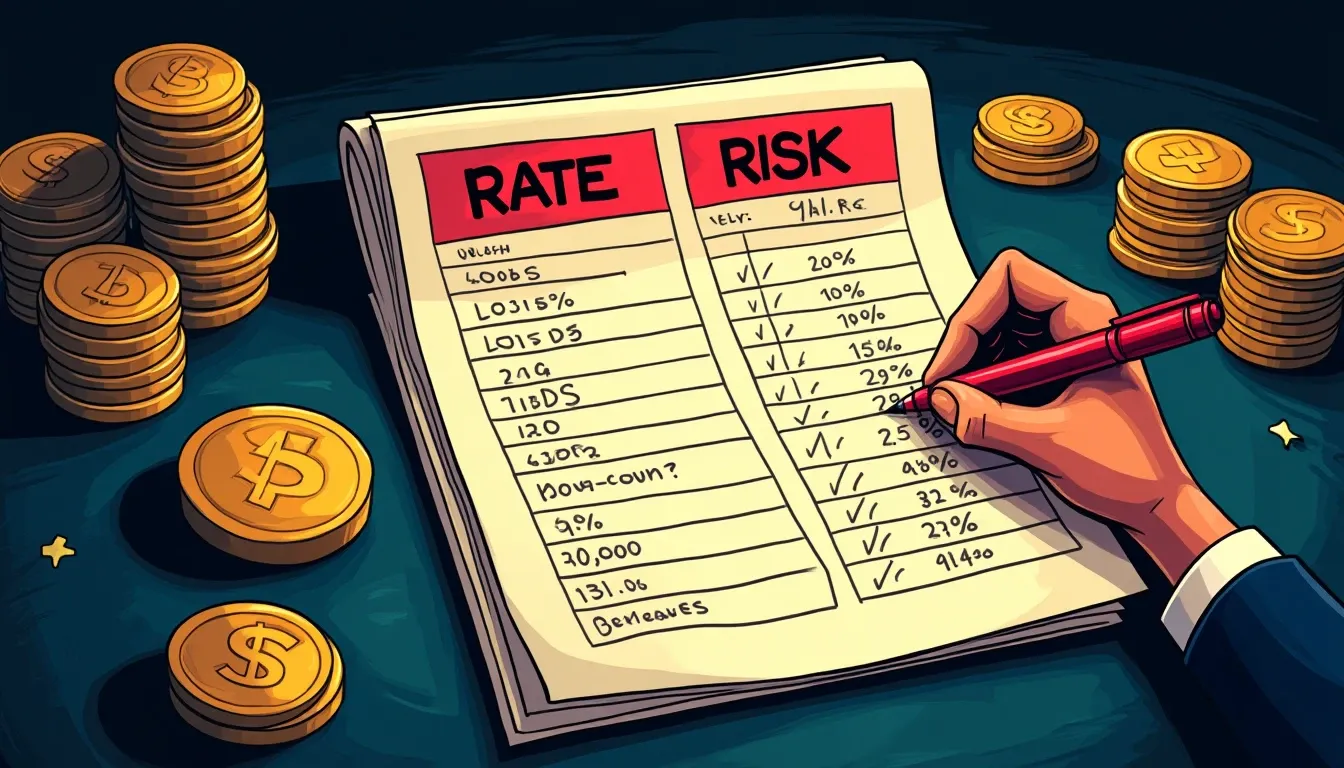
A repeatable process for comparing equivalent-risk positions across protocols: matching collateral requirements, lock periods, audit scores, and TVL, then isolating the net rate difference.

Spreading activity across multiple wallets multiplies airdrop allocation potential but triggers detection algorithms. Here's how protocols identify coordinated clusters.

APY drift, TVL drops, failed governance proposals, remediated audit findings, and social media panic often mean nothing. Here is how to tell noise from signal.