Table of Contents
The SEC published a formal crypto rulebook, ending four years of enforcement-by-litigation. Over the same week, governance flaws drained $60 million across three separate exploits. And while Washington debated frameworks, stablecoins quietly cemented their role as payment infrastructure. Schwab added altcoins, Solana passed its first governance vote by a single-digit margin, and a Coldcard firmware flaw let attackers steal $89 million in Bitcoin. The week mattered because structure emerged in three places: regulation, failure modes, and adoption mechanics.
Regulation and Policy
On August 18, the SEC proposed Regulation Crypto Assets, the first comprehensive rulebook for digital securities. Lana Sparrow covered the framework, which moves issuers from case-by-case enforcement to defined capital-raising exemptions and safe harbors. The timing aligns with the CLARITY Act, scheduled for a Senate vote on September 15.
But prediction markets collapsed from 82% passage probability to 25% after a White House summit failed to move Senate votes. The divergence between coordinated messaging and actual legislative traction matters. If the CLARITY Act dies, the SEC's rulebook becomes the de facto standard by default. That's regulatory capture through inaction.
Internationally, the UK gave the Bank of England a secondary mandate to support stablecoin infrastructure. Revolut rolled out a MiCA-compliant euro stablecoin to customers in Denmark, Poland, and Portugal. Kraken launched US stock trading for European customers, offering equities and tokenized assets in a single regulated account. The pattern is consistent: jurisdictions with frameworks get products.
Security and Exploits
Governance worked exactly as designed at Term Labs, which is why the protocol lost $8.5 million. An attacker bought enough voting power to instruct the vault to transfer assets, and the smart contract obeyed. Lana Sparrow walked through the mechanics. No code was broken. The governance layer did what it was told to do.
MANTRA Chain halted after an upstream dependency exploit on August 21. The token fell 18.5% to a record low. The Sandbox suffered a $49 billion nominal token exploit on LayerZero, exposing bridge validation flaws. Olivia Evans tracked five confirmed exploits draining over $13 million, pushing 2026 total losses past $1.26 billion.
Hardware wallets failed like centralized custodians. A Coldcard firmware flaw enabled $89 million in Bitcoin thefts across three waves. The FBI may know the first attacker's identity. The failure mode matters: if your cold storage model depends on firmware you can't audit, you've outsourced trust to a device manufacturer.
Stablecoins and Payment Infrastructure
Circle put USDC branding on Chelsea FC's Premier League shirt for $88 million. Anna Petrov covered the sponsorship, which targets visibility in markets where football matters more than crypto Twitter. The same week, Western Union launched USDPT stablecoin on Solana with Visa card access across 37 territories, merging remittance infrastructure with blockchain settlement.
Visa signed two South Korean partnerships in 48 hours. Anna tracked the pattern: legacy payment rails are positioning for stablecoin settlement across borders. SBI Holdings paid $270 million for 20% of Indonesia's Ajaib. I wrote about the deal, which isn't about equities trading. It's about stablecoin distribution at scale in a market where 60% of retail brokerage volume already happens on mobile.
Ethena Foundation bought out early investors and accelerated unlocks to stabilize supply. Charles Perrin analyzed the tactical shift, which has implications for stablecoin monetary design. Franklin Templeton received SEC clearance to embed its $2.6 billion tokenized money market fund into traditional ETFs and mutual funds. That's tokenization-as-infrastructure, not tokenization-as-product.
Exchanges and Institutional Entry
Charles Schwab will list Solana, Chainlink, and Avalanche in coming months. Lana Sparrow reported the expansion, which follows $3 billion in inflows over nine days. The move signals institutional appetite beyond Bitcoin and Ethereum.
US-listed Bitcoin and Ethereum ETFs pulled in $2.6 billion in the week ended August 21, the largest combined seven-day haul since October 2025. Hyperliquid Strategies ended fiscal 2026 with $647 million in new equity and a $1.9 billion HYPE position. The filing signals corporate validation of perpetual DEXs as a sustainable business model.
Chainalysis filed suit over a $94.6 million ICE contract awarded to TRM Labs without competitive bidding. The case could reshape federal blockchain analytics procurement. A Kraken dust attack from an HTX-linked wallet exposed compliance system vulnerabilities, briefly locking nearly 12,000 user accounts.
Layer 1 and Governance
Solana's first network governance vote passed by a razor margin Friday. SGP-0003 cleared the two-thirds threshold at 67.1% after Kraken switched its vote in the final hours. I analyzed the outcome, which doubles the disinflation rate to 30% and increases daily burns from 600-800 SOL to 7,500-9,000 SOL. The vote matters less for the economic impact than for proving the governance mechanism can close a contentious proposal.
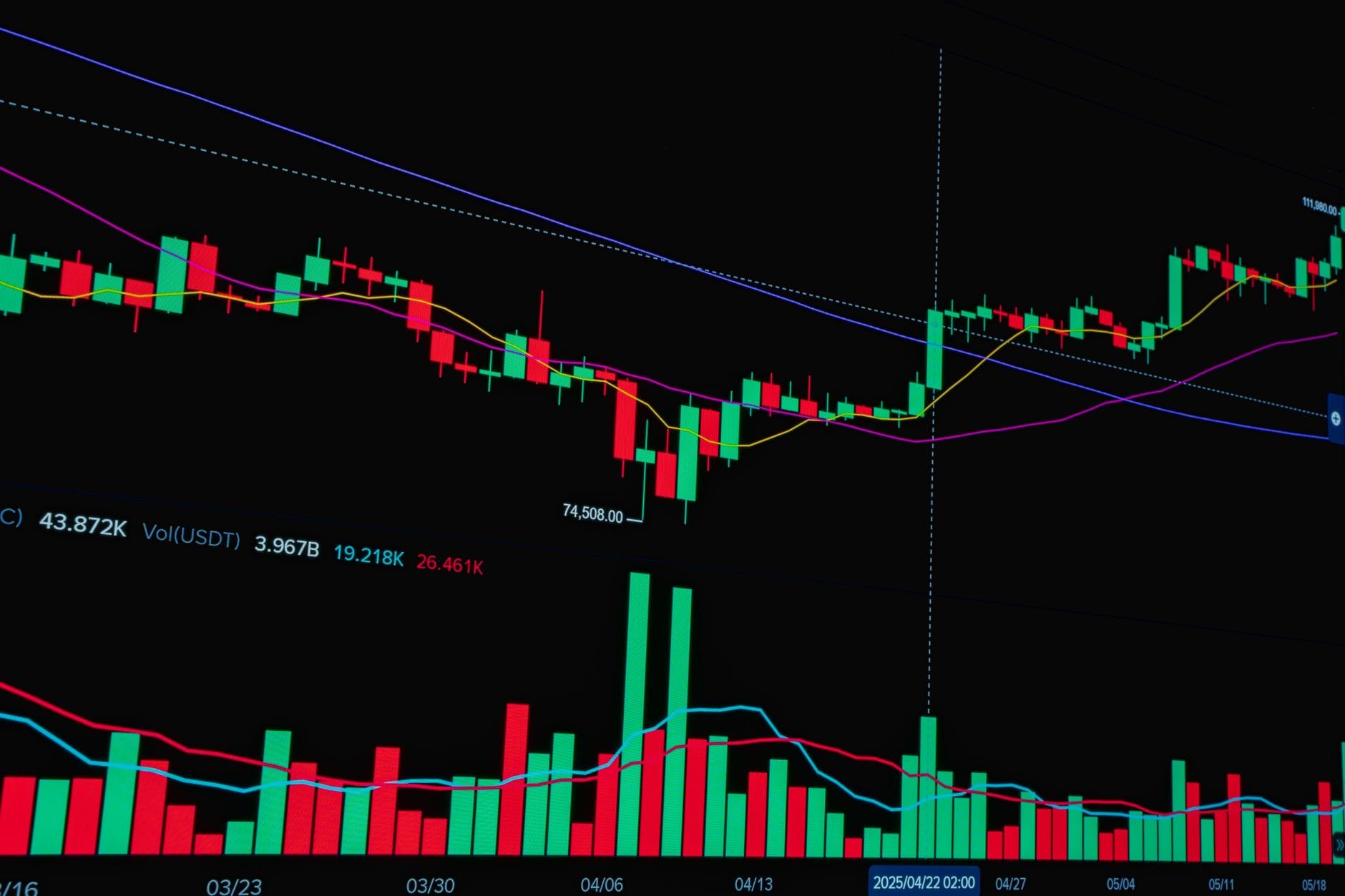
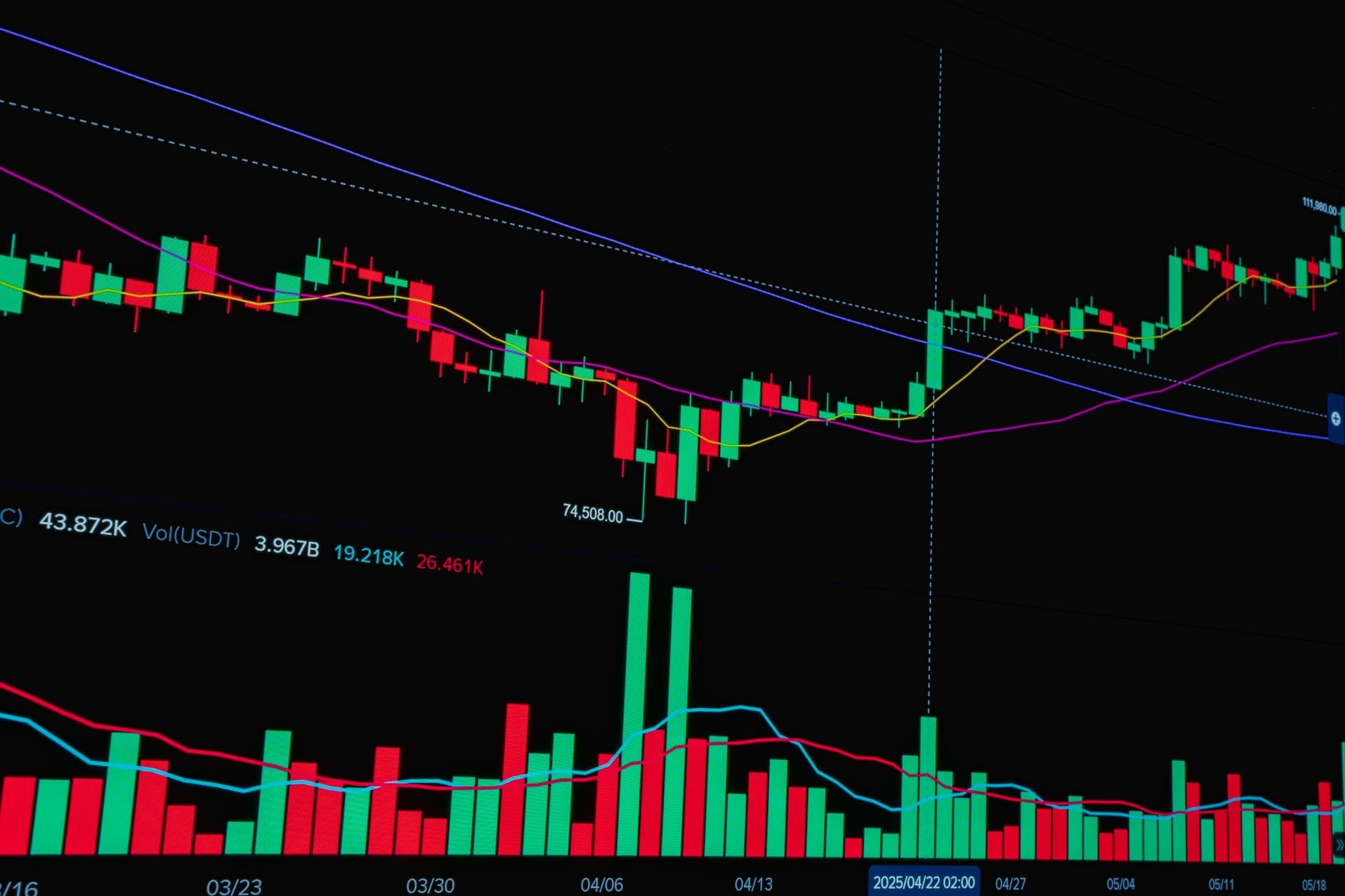
Bitcoin hit $80,000 on August 25 after a 23% seven-day rally. Victor Reyes tracked the impact on crypto casino liquidity, where deposit spikes forced operators to rebalance treasury exposure in real time.
The Takeaway
Three threads emerged this week. First, the SEC's rulebook becomes the default framework if Congress can't pass legislation, which means regulatory structure arrives either way. Second, governance exploits now exceed bridge hacks as the dominant exploit vector, and the attack surface is code that works as written. Third, stablecoin adoption is infrastructure replacement, not crypto evangelism. Visa, Western Union, and SBI aren't betting on decentralization. They're betting on cheaper rails.
Watch three things next week. The CLARITY Act vote window opens September 15. Solana's burn rate will provide the first empirical test of SGP-0003's deflationary impact. And Franklin Templeton's tokenized fund clearance could trigger a wave of similar filings if the first ETF integration completes without operational failure.
Frequently Asked Questions
What did the SEC's new crypto regulation change?
On August 18, 2026, the SEC proposed Regulation Crypto Assets, the first formal rulebook for digital securities. It establishes defined capital-raising exemptions and safe harbor provisions for crypto startups, moving away from enforcement-by-litigation. The framework provides clarity on compliance requirements, though its implementation depends partly on whether Congress passes the CLARITY Act by September 15.
Why did governance exploits spike in August 2026?
August saw over $60 million drained through governance exploits, including $8.5 million at Term Labs. Unlike traditional hacks, attackers bought voting power to instruct protocols to transfer assets. The code worked as designed. This represents a shift from bridge vulnerabilities to governance layer attacks, where the attack surface is not broken code but working code with flawed economic incentives.
How are stablecoins becoming payment infrastructure?
Western Union launched USDPT on Solana with Visa card access across 37 territories. SBI paid $270 million for 20% of Indonesia's Ajaib to build stablecoin distribution. Revolut rolled out a MiCA-compliant euro stablecoin. Visa signed two South Korean partnerships in 48 hours. These moves position stablecoins as cheaper settlement rails, not crypto adoption plays. Legacy payment companies are integrating blockchain infrastructure to reduce costs.
What happened with Solana's first governance vote?
SGP-0003 passed with 67.1% support on August 29 after Kraken switched its vote in the final hours. The proposal doubles Solana's disinflation rate to 30% and increases daily token burns from 600-800 SOL to 7,500-9,000 SOL. The vote proved Solana's governance mechanism can close contentious proposals, though the economic impact remains to be tested in coming weeks.
Did the CLARITY Act pass this week?
No. While the White House held a crypto summit and the SEC coordinated messaging around Regulation Crypto Assets, prediction markets for CLARITY Act passage collapsed from 82% to 25%. The Senate vote is scheduled for September 15. If the bill fails, the SEC's proposed rulebook becomes the de facto regulatory framework by default, effectively achieving regulatory structure through Congressional inaction.