Table of Contents
What Triggers An NFT Loan Default
An NFT loan defaults when the borrower fails to repay principal and interest by the loan maturity date on peer-to-peer platforms, or when the loan-to-value ratio exceeds the liquidation threshold on pool-based platforms. Default rates across NFT lending markets average 8% to 12% by loan volume as of 2026.
On NFTfi, default occurs at loan maturity. If a borrower took a 30-day loan on March 1 and fails to repay by March 31, the NFT collateral transfers to the lender automatically through the escrow smart contract. No grace period exists on fixed-term P2P contracts.
BendDAO operates differently.
The protocol uses a dynamic liquidation trigger based on collateral price. When the borrowed ETH value exceeds 70% of the NFT floor price (measured via Chainlink oracles), the loan becomes eligible for liquidation. BendDAO provides a 24-hour window after crossing the threshold during which the borrower can repay a portion of the debt to reduce the LTV ratio below 70%.
Arcade follows the P2P model with request-for-quote terms negotiated between borrower and lender. Liquidation occurs at maturity if the borrower does not repay, similar to NFTfi. Arcade V2 introduced refinancing options that allow borrowers to pay accrued interest and renew the loan with the same or a different lender before maturity, reducing default frequency for loans on high-value assets.
The distinction between maturity-based and LTV-based liquidation is critical for lenders. Maturity-based defaults are predictable but illiquid. LTV-based liquidations trigger during market volatility, when auction liquidity is lowest and recovery rates suffer most.
Grace Periods And Borrower Recovery Options

Grace periods determine how much time a borrower has to prevent liquidation after a default condition is met. The structure varies by platform and directly affects recovery outcomes for lenders.
NFTfi provides no grace period. The loan is a fixed-term contract with a known expiration. If the borrower does not repay by maturity, the NFT transfers to the lender immediately. This design creates certainty for lenders but eliminates borrower flexibility. NFT-Fi lending models with zero grace periods concentrate the risk of illiquidity entirely on the lender side.
BendDAO originally offered a 48-hour auction period after the LTV threshold breach.
In August 2022, during a floor price collapse for BAYC and other blue-chip collections, BendDAO faced a liquidity crisis. High utilization rates and cascading liquidations created a scenario where auctioned NFTs could not attract bids at prices high enough to cover outstanding debt. Emergency governance reduced the auction period from 48 hours to 4 hours and lowered the liquidation threshold from 90% to 70%.
The shorter auction window reduces the time available for price discovery but also limits the period during which further floor price deterioration can occur. For borrowers, this means less time to source additional ETH to avoid liquidation. For lenders, it reduces the risk of holding illiquid collateral in a falling market.
Arcade does not publish standardized grace periods because each loan is individually negotiated. High-value loans may include bespoke terms with partial repayment clauses or extension options. This flexibility benefits borrowers with rare or high-value NFTs but introduces ambiguity for lenders evaluating recovery timelines.
Auction Mechanics: How Collateral Is Sold
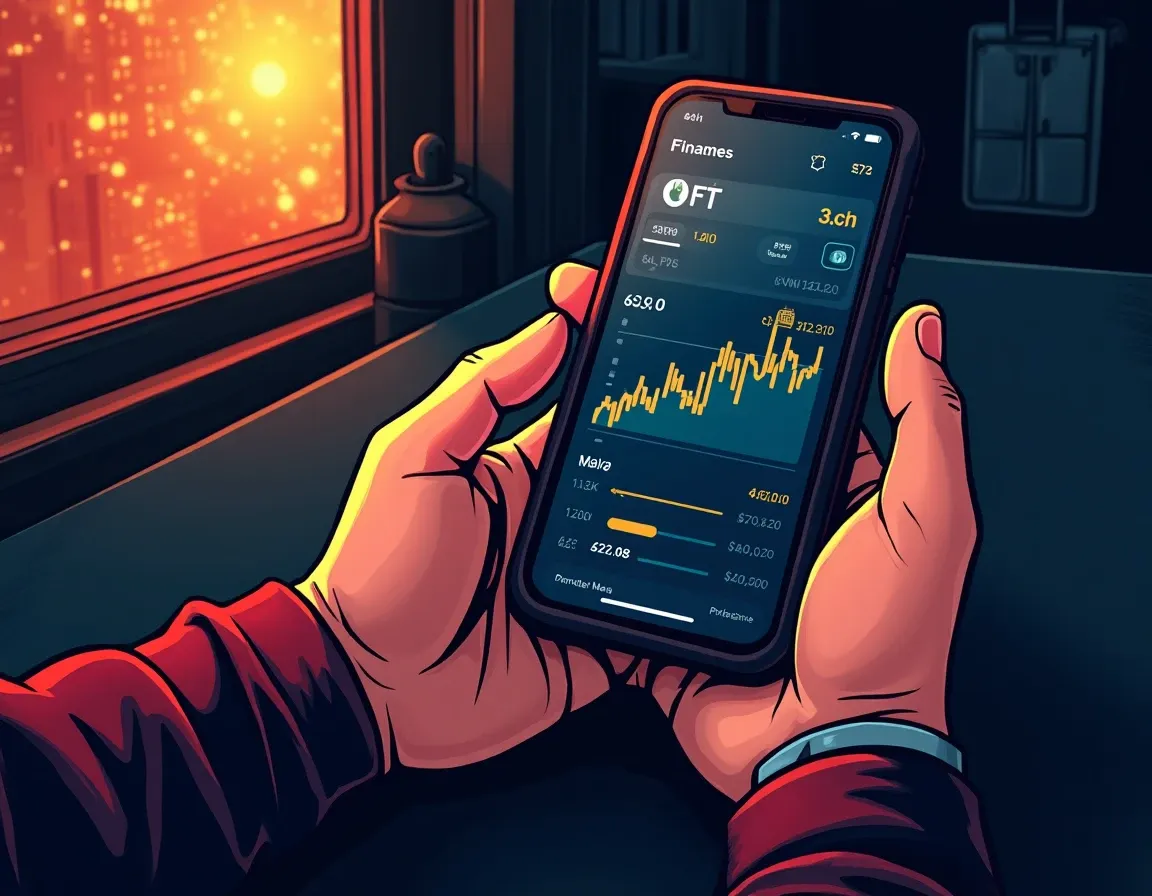
When a loan defaults, the liquidation process determines how the collateral is converted back to liquidity for the lender. The mechanics differ between peer-to-peer and pool-based protocols.
NFTfi does not auction collateral. The defaulted NFT is transferred directly to the lender. The lender must then sell the NFT on secondary markets (OpenSea, Blur, X2Y2) to realize value. This introduces friction, delays, and additional marketplace fees (typically 2% to 2.5%). If the NFT is illiquid or the collection has low trading volume, the lender may hold the asset indefinitely or sell at a loss.
NFTfi's lack of an auto-liquidation auction mechanism is a structural disadvantage for lenders relative to pool-based platforms. The lender assumes the full burden of price discovery and disposal.
BendDAO uses a Dutch auction mechanism. When a loan crosses the liquidation threshold and the 24-hour grace period expires (or the 4-hour auction period under current parameters), the NFT enters a declining-price auction. The starting bid is typically set at the floor price minus a discount to attract bidders. If no bid is received, the price continues to decline until a buyer steps in or the auction expires.
During the 2022 liquidity crisis, many BendDAO auctions received no bids. The pool absorbed the bad debt, diluting returns for liquidity providers. Governance responded by adjusting the liquidation threshold and auction duration to prevent repeat occurrences, but the risk remains during market-wide downturns.
Arcade does not publicly document its liquidation auction process due to the bespoke nature of its RFQ system. High-value loans may include private auction provisions or over-the-counter settlement clauses negotiated between borrower and lender.
One thing worth noting: auction mechanics favor speed over price discovery. Shorter auction periods reduce lender exposure to continued price declines but increase the likelihood of selling collateral below fair value.
How Lenders Receive Assets After Default
The transfer of collateral from borrower to lender occurs differently depending on platform architecture and loan structure.
On NFTfi, the smart contract automatically transfers the NFT to the lender's wallet address at loan maturity if repayment does not occur. The transfer is non-custodial. NFTfi holds the NFT in escrow during the loan term, but the protocol cannot prevent the transfer to the lender once the contract condition (maturity without repayment) is met.
One critical detail: NFTfi is sunsetting operations on August 31, 2026. The front-end at app.nftfi.com will go offline, but the smart contracts remain deployed on-chain and continue to function autonomously. Lenders with active loans after August 31 will need to interact directly with the NFTfi smart contracts to claim defaulted collateral. This introduces technical barriers for non-technical users and increases the friction of recovery.
BendDAO does not transfer NFTs to individual lenders.
The protocol operates a peer-to-pool model. Lenders deposit ETH into a liquidity pool, and borrowers draw from that pool using NFTs as collateral. When a liquidation occurs, the auctioned NFT is sold for ETH, and that ETH is returned to the pool. If the auction proceeds do not cover the outstanding debt, the pool absorbs the shortfall as bad debt. Individual lenders do not receive the NFT. They continue to hold claims on the pool, which now has reduced liquidity.
This structure socializes liquidation losses across all liquidity providers in the pool. During a mass liquidation event, lenders may find their deposits locked if pool utilization approaches 100% and auction proceeds fail to replenish liquidity.
Arcade lenders receive collateral according to the terms negotiated in the original loan contract. For most loans, this means the NFT transfers to the lender at maturity if repayment does not occur. Because Arcade supports tokenized real-world assets and luxury goods in addition to NFTs, some loans may involve third-party custody or off-chain settlement processes.
Actual Recovery Rates On Defaulted NFT Loans
Recovery rate is the percentage of loan principal and interest the lender recovers after liquidation. The data shows lenders lose an average of 46.1% of NFT collateral value during liquidation.
According to CoinGecko's analysis of the 25 worst NFT liquidations, borrowers (and by extension, lenders who inherit the collateral) experienced losses ranging from 15.3% to 91.3% of collateral value. Individual losses ranged from $26,756 to $194,861 per default.
Why do recovery rates lag so badly?
First, loan-to-value ratios at origination typically range from 30% to 60% of floor price. This provides a theoretical cushion. But during a default event, floor prices have usually declined, sometimes substantially. The cushion erodes.
Second, liquidation mechanics introduce additional losses. NFTfi lenders must pay OpenSea or Blur marketplace fees (2% to 2.5%) plus gas fees when selling the collateral. BendDAO Dutch auctions often clear below floor price to attract bidders, especially during periods of low liquidity.
Third, borrowers are more likely to default during market downturns, when NFT liquidity is at its lowest. This creates a selection effect: defaulted collateral is disproportionately illiquid and difficult to sell at any price.
Fourth, many defaulted loans involved NFTs that were overvalued at origination. Rare traits or subjective valuations may have justified a high loan amount, but liquidation must occur at floor price or below because auction bidders have limited incentive to pay premiums during a distressed sale.
The pattern holds across platforms. NFTfi reported a default rate of 9.7% by loan volume and 11.1% by loan count as of its sunset announcement. Over $737 million in total loan volume, that represents approximately $71 million in defaulted loans. The actual recovery rate for lenders on those defaults is not publicly disclosed, but marketplace fee structures and illiquidity suggest realized losses are substantial.
BendDAO's 2022 liquidity crisis demonstrated the systemic risk of pool-based lending during cascading liquidations. When many NFTs liquidate simultaneously, each auction further depresses floor prices, triggering additional liquidations. The combination of high utilization and collapsing collateral value nearly caused protocol insolvency.
Platform Comparison: Who Bears The Liquidation Risk
The distribution of liquidation risk varies by platform model. Understanding who absorbs losses when collateral value falls short of debt is essential for lenders evaluating where to deploy capital.
NFTfi places liquidation risk entirely on the individual lender. If the borrower defaults, the lender receives an NFT that may be worth less than the loan amount. The lender must sell the NFT on secondary markets, absorbing marketplace fees and price slippage. NFTfi takes a 5% fee from the interest earned but does not participate in liquidation losses.
This structure makes lender due diligence critical. Evaluating NFT floor price trends, collection liquidity, and borrower repayment history is the lender's responsibility. The platform provides no safety net.
BendDAO socializes liquidation risk across the liquidity pool. If an auction does not recover the full debt amount, the shortfall is absorbed by all liquidity providers proportionally. This reduces individual lender exposure to any single bad loan but increases systemic risk during correlated liquidations.
BendDAO's 70% LTV threshold and 4-hour auction period are governance parameters designed to balance borrower flexibility with lender protection. The threshold was lowered from 90% to reduce bad debt after the 2022 crisis. The auction period was shortened to limit exposure to continued price declines during the liquidation process.
Arcade's risk distribution depends on the individual loan terms negotiated between borrower and lender. High-value loans may include insurance provisions, partial recourse clauses, or third-party guarantees. Because Arcade operates on an RFQ basis, lenders can customize risk exposure for each transaction.
Arcade requires lenders to pay a 5% fee on interest earned, similar to NFTfi. TVL on Arcade has declined from a peak of $21.5 million in March 2024 to approximately $300,000 as of 2026, indicating reduced platform activity and liquidity.
When Liquidation Mechanics Favor Borrowers Over Lenders
Several platform features and market conditions create scenarios where borrowers retain more value than lenders during default events.
Refinancing options on Arcade allow borrowers to pay accrued interest and extend the loan term without repaying principal. This feature reduces default frequency but extends lender capital lockup periods. If the NFT floor price continues to decline during the extended term, the lender's risk increases without additional compensation.
Grace periods and notification systems benefit borrowers by providing time to source repayment capital or negotiate extensions. BendDAO's 24-hour window after LTV breach allows borrowers to partially repay debt and avoid liquidation. Lenders, meanwhile, remain exposed to continued floor price declines during that period.
P2P platforms like NFTfi lack automated enforcement mechanisms. If a borrower defaults, the lender must claim the collateral manually and sell it on secondary markets. This introduces delays that favor borrowers, who may attempt to negotiate settlements or extensions informally while the lender waits for on-chain collateral transfer.
Oracle manipulation risk is another edge case. BendDAO uses Chainlink oracles and its own price feeds to determine NFT floor prices. If an attacker manipulates the oracle temporarily or if the oracle lags during a rapid price decline, the LTV calculation may not reflect true collateral value. This can delay liquidations until the borrower has already extracted maximum value.
Collection restrictions on pool-based platforms like BendDAO create a scenario where blue-chip NFT borrowers enjoy favorable terms (instant liquidity, low interest rates) while lenders absorb tail risk from correlated liquidations across a narrow set of collections. BendDAO only accepts pre-approved blue-chip collections (BAYC, CryptoPunks, Azuki, CloneX, Doodles). This reduces oracle manipulation risk but concentrates exposure.
Case Study: BendDAO August 2022 Liquidity Crisis
In August 2022, BendDAO nearly collapsed under the weight of cascading NFT liquidations.
BAYC floor prices fell from approximately 90 ETH in April 2022 to below 70 ETH by August. Borrowers who had taken loans at 40% LTV ratios (90% liquidation threshold at the time) suddenly faced imminent liquidation as floor prices declined. The protocol's utilization rate exceeded 90%, meaning the liquidity pool had almost no available ETH for withdrawals.
As loans crossed the liquidation threshold, they entered 48-hour Dutch auctions. During that 48-hour period, BAYC floor prices continued to fall, making the auctions unattractive to bidders. Many auctions received no bids. The pool absorbed the bad debt.
Lenders attempted to withdraw their ETH deposits. They could not, because the pool had insufficient liquidity. The combination of high utilization and failed auctions created a death spiral: lenders wanted out, but their exits depended on successful liquidations, which were not occurring.
Emergency governance intervened. The liquidation threshold was reduced from 90% to 70%, triggering immediate liquidations for marginal loans. The auction period was shortened from 48 hours to 4 hours, reducing the window for further price deterioration. BendDAO also introduced a health factor dashboard to give borrowers real-time visibility into their LTV ratios.
The crisis resolved as ETH prices stabilized and NFT floor prices stopped falling. But the episode demonstrated the fragility of pool-based lending during correlated liquidations. Lenders who had deposited ETH to earn yield on blue-chip NFT collateral found themselves locked in during the worst possible moment.
What Lenders Should Monitor To Assess Default Risk
Lenders can track several on-chain and market metrics to evaluate the likelihood of default and the expected recovery rate on NFT-backed loans.
Floor price trends over the last 30, 60, and 90 days provide context for collateral value stability. If floor prices are declining, the probability of LTV breaches increases on pool-based platforms, and the expected recovery rate decreases on P2P platforms.
Trading volume for the collection indicates liquidity. Low volume means fewer buyers in the secondary market, which translates to longer holding periods and deeper discounts required to sell defaulted collateral.
Platform utilization rates matter for pool-based lending. BendDAO and similar protocols publish utilization data showing what percentage of deposited ETH is currently lent out. High utilization (above 80%) reduces the liquidity available for lender withdrawals and increases the risk of a liquidity crunch during mass liquidations.
Loan-to-value distribution across active loans provides insight into how close the portfolio is to triggering liquidations. If many loans are clustered near the liquidation threshold, a small floor price decline can trigger cascading defaults.
Historical default rates by collection offer predictive value. CoinGecko and other analytics platforms publish collection-level default data. Collections with default rates above 15% present elevated risk regardless of current floor price.
Interest rate spreads between different collections and platforms signal market perception of risk. If one platform offers 20% APY on BAYC collateral while another offers 10%, the higher rate compensates for worse terms, lower liquidity, or greater platform risk.
The Income Test: Does NFT Lending Compensate For Default Risk?
NFT lending yields range from 10% to 25% APR depending on collection, LTV ratio, and loan duration. The question for lenders is whether that yield compensates for an average liquidation loss of 46.1% and an 8% to 12% default rate.
Run the numbers.
On a $100,000 portfolio lent at 15% APR, the lender earns $15,000 annually. With a 10% default rate, $10,000 of principal enters liquidation each year. At a 46.1% average loss on liquidated collateral, the lender loses $4,610 annually on defaults. Net yield is $10,390, or 10.39%.
That calculation assumes the lender can immediately re-lend the recovered collateral value. In reality, lenders on P2P platforms must sell defaulted NFTs on secondary markets, which takes time and incurs additional fees. The actual net yield is lower.
For pool-based platforms like BendDAO, the risk is less predictable but potentially more severe. During normal market conditions, liquidity providers earn yield with low defaults. During a liquidity crisis like August 2022, lenders may be unable to withdraw for days or weeks, and the pool may absorb bad debt that reduces all depositor returns.
The income mechanism for NFT lending is defensible only when lenders select collections with proven liquidity, maintain strict LTV discipline, and diversify across multiple platforms to avoid systemic platform risk.
Lenders should compare NFT lending yields to restaking or other DeFi strategies with lower liquidation risk. Restaking on EigenLayer, for example, offers 8% to 12% APY with slashing risk typically below 1%. The risk-adjusted return may be superior even at a lower nominal yield.
What To Do If You Hold A Defaulted NFT As Collateral
If you are a lender on NFTfi or Arcade and the borrower defaults, you now hold an NFT. Your next steps determine how much of your capital you recover.
Check floor price and recent sales volume on OpenSea, Blur, and LooksRare. If the collection has active daily volume above 5 ETH, you can likely sell within 48 hours at or near floor price. If daily volume is below 1 ETH, expect to hold the NFT for weeks or accept a discount of 10% to 20% below floor to attract a buyer.
List the NFT on multiple marketplaces simultaneously. OpenSea has the largest user base. Blur offers pro-rata rewards for liquidity providers. LooksRare and X2Y2 have lower fees but less traffic. Cross-listing increases visibility without additional cost.
Avoid panic selling.
If the collection floor price is in a temporary dip due to broader market conditions, waiting 7 to 14 days may allow you to sell at a better price. Monitor comparable sales daily.
Consider offering the NFT for sale at a slight premium to floor if it has rare traits. Buyers filtering by trait rarity may pay 5% to 10% above floor for attributes ranked in the top 10% of the collection.
If you cannot sell the NFT within 30 days, evaluate whether the collection has long-term holders or community activity. Some collections maintain value despite low volume due to strong holder conviction. Others are effectively dead and will never recover liquidity.
For lenders on BendDAO or other pool-based platforms, you do not receive the NFT directly. Your recourse is limited to withdrawing your pro-rata share of the remaining pool liquidity. If the pool absorbed bad debt during liquidation, your deposit value has decreased. Monitor the pool's health factor and utilization rate to assess whether additional defaults are likely.
What To Watch As NFT Lending Evolves In 2026
NFTfi is sunsetting on August 31, 2026. Smart contracts remain functional, but no front-end interface will exist. Lenders with active loans after that date will need to interact directly with Ethereum contracts to claim collateral, which introduces technical barriers.
Arcade TVL has declined 98% from its March 2024 peak. The platform remains operational, but reduced liquidity means fewer counterparties for high-value loans and longer time-to-match for borrowers.
BendDAO and other pool-based protocols have implemented tighter LTV thresholds and shorter auction periods in response to the 2022 crisis. Watch whether those parameters remain stable or loosen during a bull market. Loosening signals increased risk for lenders.
New platforms offering NFT-backed credit lines, perpetual loans, or hybrid peer-to-peer/pool models are launching. Evaluate their liquidation mechanics and historical recovery rates before committing capital.
Collection-level default rates published by CoinGecko and other analytics providers offer forward-looking signals. If a blue-chip collection's default rate rises above 15%, that collection is no longer suitable collateral regardless of floor price.
The Takeaway
NFT loan defaults result in liquidation losses averaging 46.1% of collateral value. Recovery rates depend on platform mechanics, collection liquidity, and whether liquidation occurs during a broader market downturn.
Lenders on peer-to-peer platforms like NFTfi and Arcade bear individual liquidation risk and must manually sell defaulted collateral on secondary markets. Lenders on pool-based platforms like BendDAO share liquidation losses across the pool but face systemic risk during cascading liquidations.
Grace periods, auction durations, and LTV thresholds vary by platform and directly impact recovery outcomes. Shorter auction periods reduce lender exposure to continued price declines but increase the likelihood of selling below fair value.
The income mechanism for NFT lending requires strict collection selection, disciplined LTV ratios, and diversification across platforms. Yields of 10% to 25% APR must compensate for default rates of 8% to 12% and average liquidation losses above 46%.
Monitor floor price trends, trading volume, platform utilization rates, and collection-level default data to assess risk before lending. If you hold defaulted collateral, list on multiple marketplaces and avoid panic selling unless liquidity is critically low.
Frequently Asked Questions
What is the average recovery rate on defaulted NFT loans?
Lenders recover an average of 53.9% of collateral value after liquidation, meaning losses average 46.1%. Individual cases range from 8.7% to 84.7% recovery depending on collection liquidity, timing of default, and platform mechanics. The 25 worst liquidations documented by CoinGecko show losses between $26,756 and $194,861 per loan. Recovery rates are lowest during market-wide downturns when NFT liquidity collapses.
How long does it take to receive collateral after an NFT loan defaults?
On peer-to-peer platforms like NFTfi, the smart contract transfers the NFT to the lender immediately at loan maturity if repayment does not occur. The lender then must sell the NFT on secondary markets, which takes 2 to 30 days depending on collection liquidity. On pool-based platforms like BendDAO, auctions run for 4 hours after the grace period expires, and proceeds return to the pool automatically. Lenders do not receive the NFT directly.
Do NFT lending platforms have grace periods before liquidation?
Grace periods vary by platform. NFTfi provides no grace period because loans are fixed-term contracts. BendDAO gives borrowers 24 hours after the loan-to-value ratio exceeds 70% to repay part of the debt before the 4-hour auction begins. Arcade terms are negotiated individually, so grace periods depend on the specific loan contract. Shorter grace periods favor lenders by limiting exposure to continued price declines but reduce borrower flexibility.
Can lenders lose more than the collateral value on defaulted NFT loans?
No. Lenders cannot lose more than the collateral value because NFT loans are non-recourse. If the borrower defaults, the lender receives the NFT or auction proceeds but has no claim on the borrower's other assets. On peer-to-peer platforms, the maximum loss is the difference between loan principal plus interest and the resale value of the NFT. On pool-based platforms, bad debt is socialized across all liquidity providers proportionally.
What happens to NFTfi loans after the platform shuts down on August 31, 2026?
NFTfi smart contracts remain deployed on-chain and continue to function autonomously after the front-end at app.nftfi.com goes offline on August 31, 2026. Borrowers must repay loans by interacting directly with the Ethereum smart contracts. Lenders with defaulted collateral must claim NFTs through direct contract calls rather than through the website interface. This introduces technical barriers for non-technical users but does not affect the enforceability of existing loan terms.
You have just reviewed liquidation mechanics across NFTfi, Arcade, and BendDAO with recovery rates between 8.7% and 84.7%. Those platforms and percentages will shift by next quarter.
Every Thursday: where crypto yield actually is - stablecoins, liquid staking and DeFi lending, with the risk named next to the rate and what changed since last week.
Get it free every ThursdayFree. No trade calls, no allocations, no hype. Unsubscribe in one click.