
Why Marinade mSOL Yield Dropped 1.19pp And What It Signals
Marinade's mSOL dropped from 6.0% to 4.81%. The 1.19pp collapse reflects validator commission pressure, MEV capture shifts, and structural network changes.
Marinade's mSOL dropped from 6.0% to 4.81%. The 1.19pp collapse reflects validator commission pressure, MEV capture shifts, and structural network changes.

The USDC-WETH pool rose from 12.59% to 19.4% APY in seven days. That 6.8-point spike reflects concentrated liquidity and volume, not sustainable income.

Step-by-step logging protocol for depositors running 5-15 yield positions. Captures what tax software cannot auto-generate and survives an audit.
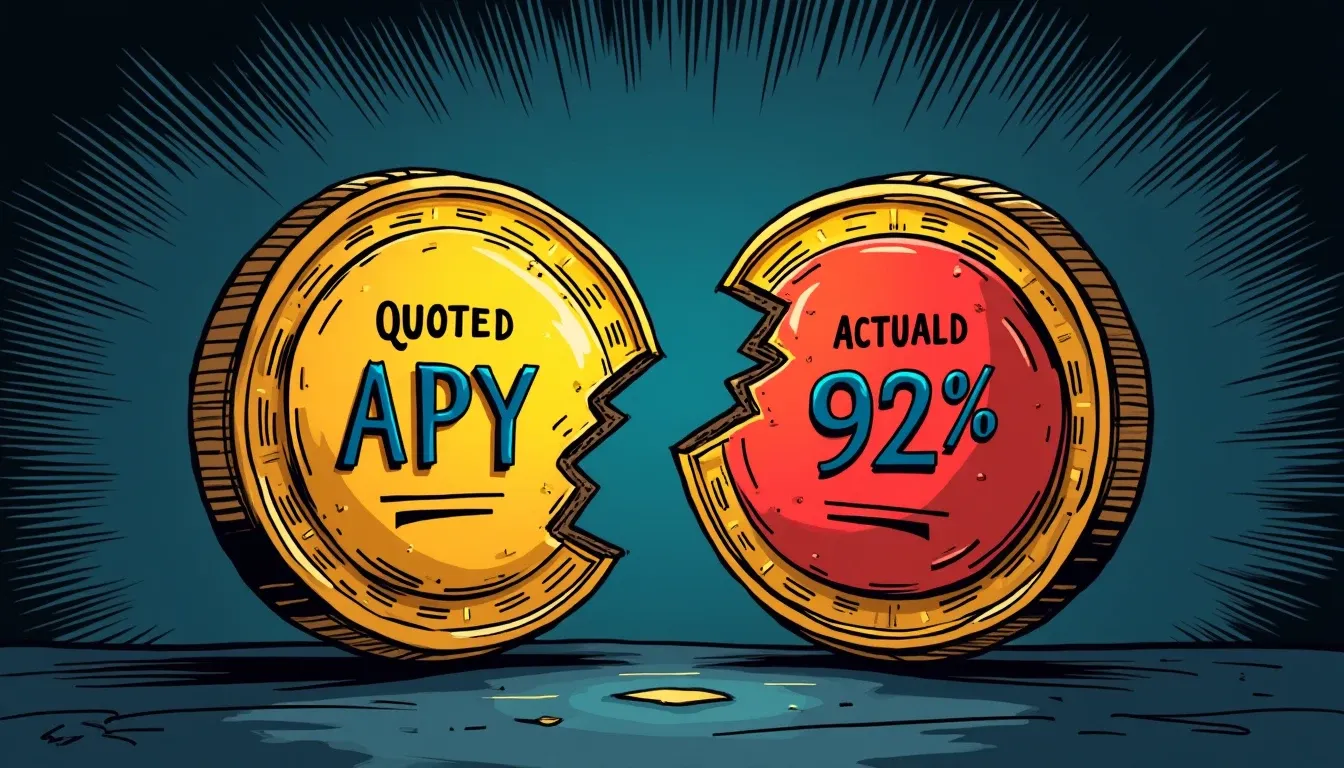
Most DeFi positions return 3-7 percentage points below quoted APY. Here is the five-component formula for measuring what a yield position actually nets.

Retail arbitrage is largely competed away by market makers with faster infrastructure. Here is where genuine retail-scale arbitrage still exists, what it actually pays, and why 90% of advertised yield is unsustainable.

APY drift, TVL drops, failed governance proposals, remediated audit findings, and social media panic often mean nothing. Here is how to tell noise from signal.

Rate is what a protocol advertises. TVL is what people do. When the two disagree, the second one is usually right. Here is how to read the signal.

Leverage in crypto can be defensible when structured around asymmetric bets with defined risk. Most traders destroy capital chasing volatility with size.

In most exploits, 54% to 93% of funds drain in the first five minutes. Here is the sequence of actions that has actually preserved capital when protocols break.

Anchor's 19.45% APY, Celsius's 17%, and BlockFi's 8% all went to zero within months. Three mechanisms explain why yields above 15% collapse predictably.

Where stablecoin and money market yields actually come from, what can break each, and which delivers better risk-adjusted returns when you account for collateral quality and failure modes.

DeFi protocols change fees, collateral factors, and emissions after you deposit. Governance votes on these changes days before they execute, if you know where to look.

Most crypto tax software handles exchange trades. Almost none handle rebasing LSTs, LP positions, or multi-chain DeFi correctly. Here is what each platform actually documents.

Ethena's sUSDe pays 7% APY through a delta-neutral basis trade. The yield comes from funding rates, staking rewards, and T-bills - but October 2025 proved what happens when the mechanism flips.

Pseudonymous with a verifiable build history is a different risk from anonymous with none. Here is how to check GitHub commits, prior outcomes, and position sizing.

Koinly and CoinLedger compared on integration counts, DeFi position handling, pricing tiers, free tier limits, supported jurisdictions, and documented gaps.