Why Uniswap V3 USDC-WETH APY Collapsed 6.09 Points
The USDC-WETH pool fell from 8.86% to 2.77% APY in one week. The collapse reflects fee tier migration, L2 volume shifts, and out-of-range liquidity.
The USDC-WETH pool fell from 8.86% to 2.77% APY in one week. The collapse reflects fee tier migration, L2 volume shifts, and out-of-range liquidity.
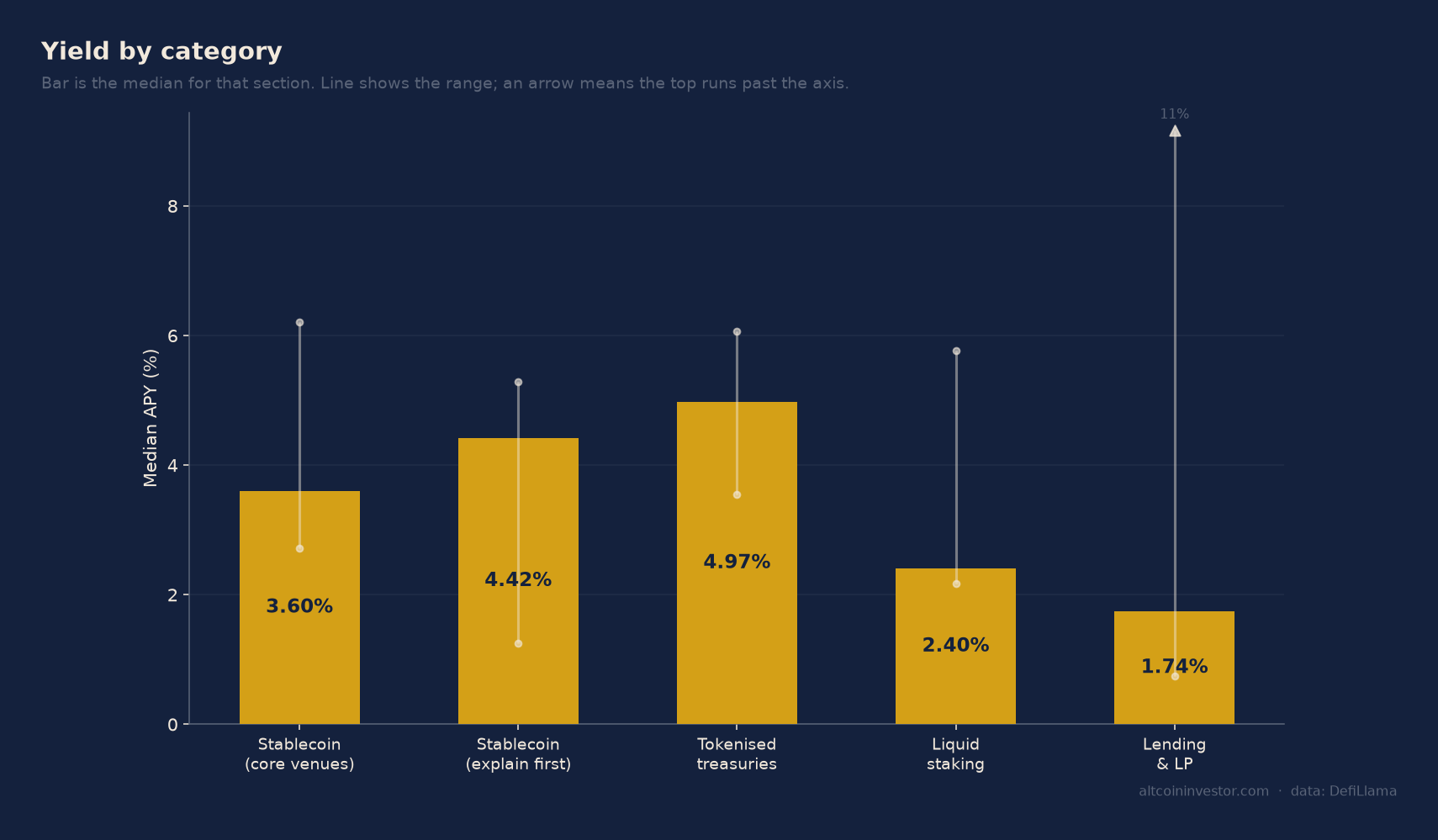
Compound USDC jumped 2.97 percentage points to 6.2% while core stablecoin rates cluster tightly between 3.5% and 3.72%. Six new venues entered, six dropped out.

Altcoin exchange deposits hit 78,000 transactions by Sept 28, up 160% in two weeks. Depositing addresses tripled, signaling broad-based sell pressure not seen since Oct 2025.
$2.4B in tracked positions vanished from dashboards in one week. Here's how to distinguish data lag from liquidity freeze in the first six hours.
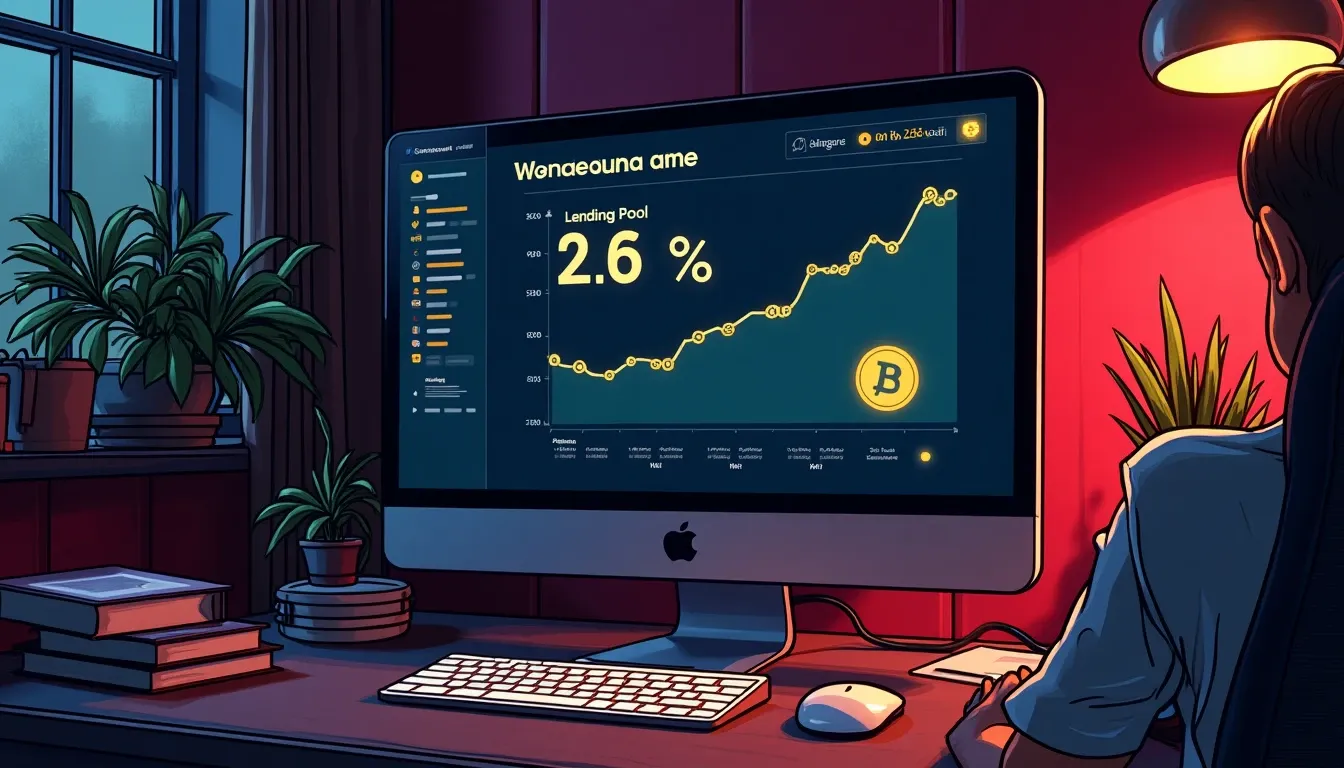
A 2.76 percentage point Compound V3 USDC rate jump looks like free money until you check utilization, borrower concentration, and exit liquidity. Here is the sizing framework.

MetaMask, Rabby, Rainbow, and hardware wallets compared by transaction signing clarity, approval management, and multi-chain support for DeFi yield.

Exchange staking charges 26-40% commission on rewards. Self-custody captures full yield but introduces operational risk. Here is the holding threshold where the trade-off tips.

Quantitative thresholds for evaluating whether a low-cap token has sufficient liquidity to exit. Volume-to-market-cap ratios, order book depth, slippage analysis, and position sizing rules.
When Uniswap V3, Aave USDe, and Convex all collapsed in one week, structured positions with rotation triggers cut losses by 60%. Here is the position framework.

The USDC-WETH pool dropped from 20.15% to 9.5% in seven days. The collapse reflects liquidity migration, volume shifts, and concentration risk most LPs never see coming.

IDOs charge 1-5% but see 84.7% post-launch valuation drops. Private rounds offer 5-10x discounts with 12-month vesting. LBPs resist bots. Here's which structure gives early investors the edge.
A 1.10pp USDS rate jump on $1.526B TVL analyzed through governance timelines, utilization curves, and contract state to prove causation and build monitoring alerts.
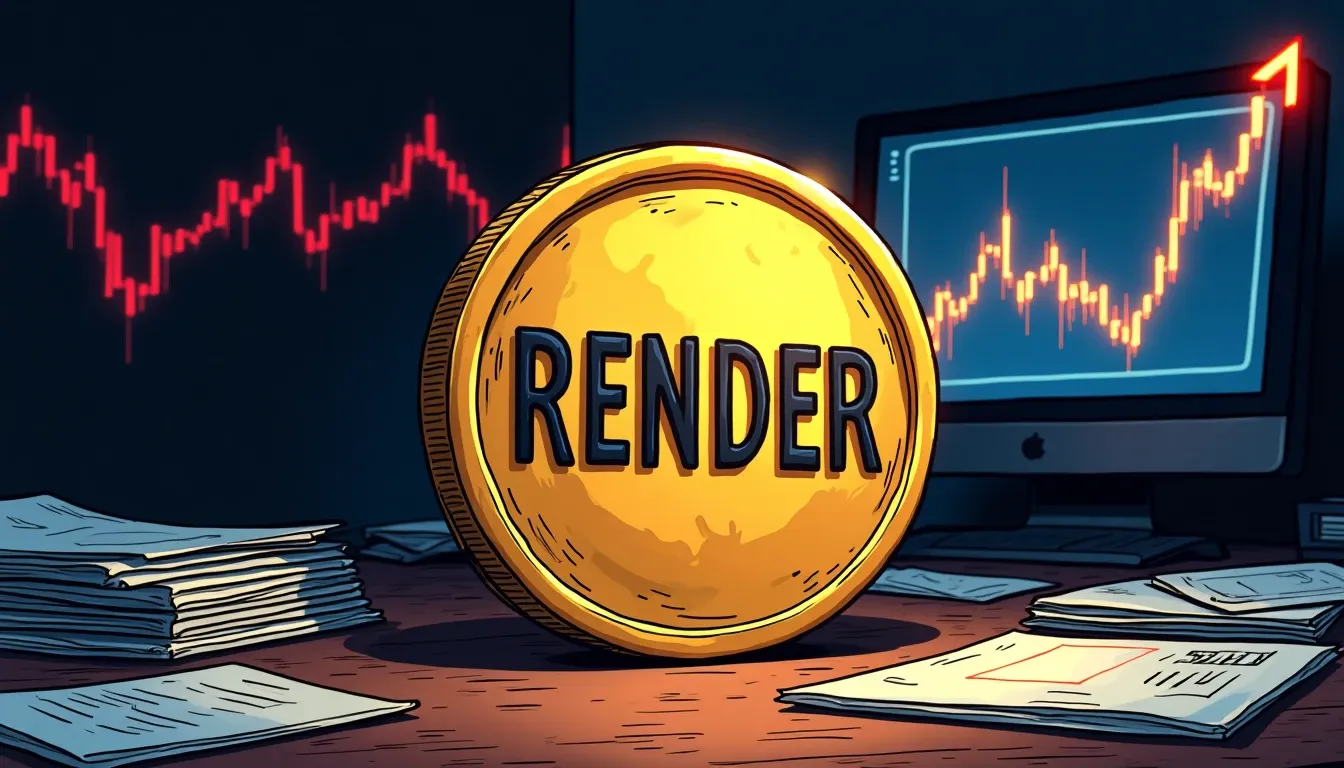
Render rallied 40.8% over 30 days to $1.95 as its GPU network integrated Salad's compute subnet and AI infrastructure demand drove sector rotation into decentralized compute tokens.

Robinhood plans to offer perpetual futures on BTC, ETH, and five other crypto assets with 10x leverage through a CFTC-registered entity. Here's what that structure changes.

Marinade's mSOL dropped from 6.0% to 4.81%. The 1.19pp collapse reflects validator commission pressure, MEV capture shifts, and structural network changes.

Maple USDG pays 4.96% on $408M TVL. Aave USDe offers 4.75% on $1.085B. The safer choice depends on rate durability, not headline APY. Here's how to size each.