
Liquidity Bootstrapping Pools: What They Tell You About Launch Intent
LBPs use declining price curves to discourage front-running and reveal fair value. Understanding the parameters tells you whether the team intends extraction or distribution.
Micro & Nano-cap crypto projects with tremendous growth potential. Projects listed have a market cap between $1M-$50M.
LBPs use declining price curves to discourage front-running and reveal fair value. Understanding the parameters tells you whether the team intends extraction or distribution.

Top-10 holder percentage is meaningless until exchange and treasury wallets are excluded. Here is how to do that exclusion properly on Etherscan and Solscan.
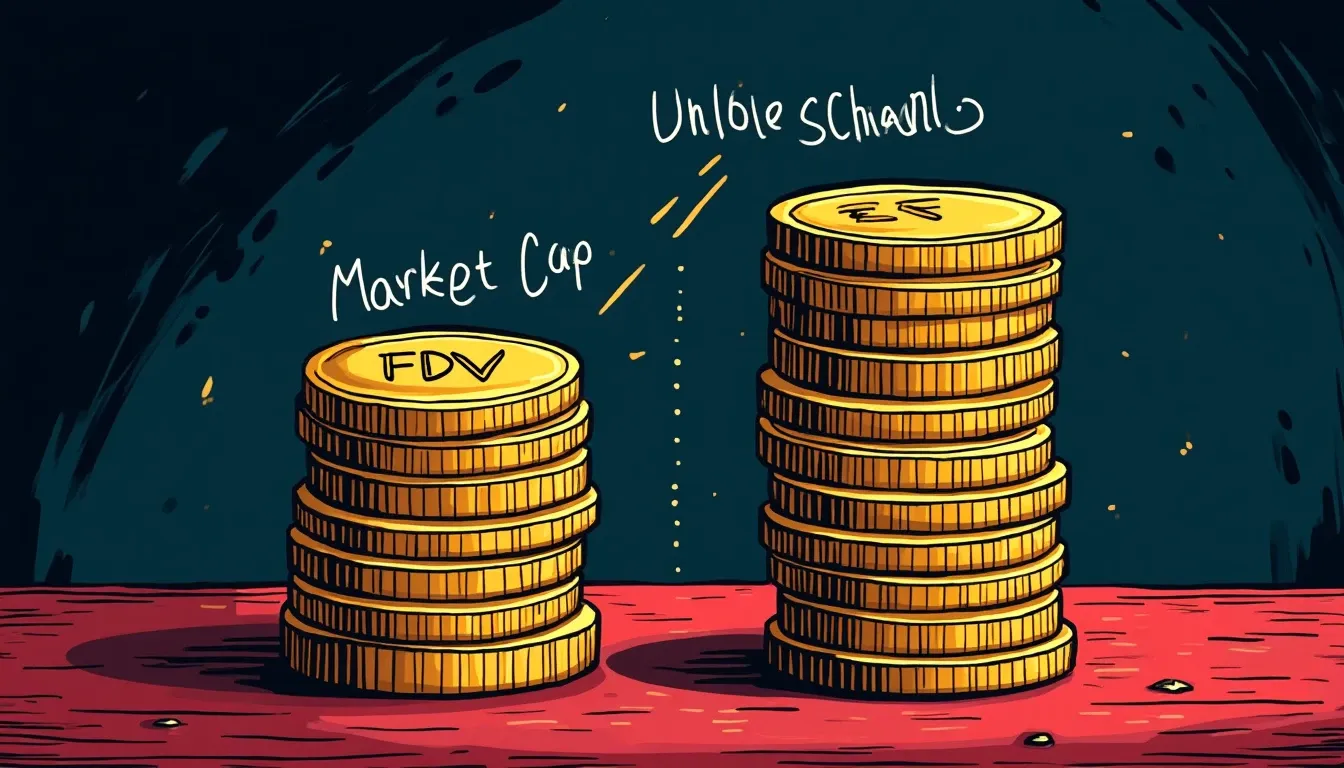
The gap between market cap and fully diluted valuation warns you about dilution ahead. Most low-cap losses are not thesis failure but unlocked supply.

High yields on low cap tokens mean nothing if you can't exit. Here are the quantitative liquidity thresholds, slippage calculations, and order book depth metrics that determine whether you can actually extract your returns.

Quantitative thresholds for evaluating whether a low-cap token has sufficient liquidity to exit. Volume-to-market-cap ratios, order book depth, slippage analysis, and position sizing rules.

Pseudonymous with a verifiable build history is a different risk from anonymous with none. Here is how to check GitHub commits, prior outcomes, and position sizing.

Most small-cap tokens never recover their peak values. This comparison examines drawdown depth, liquidity, recovery rates, and position sizing across market cap tiers.

If the reason to hold cannot be written as something that could be proven false, it is not a thesis. Here is what to measure, and at what level to act.
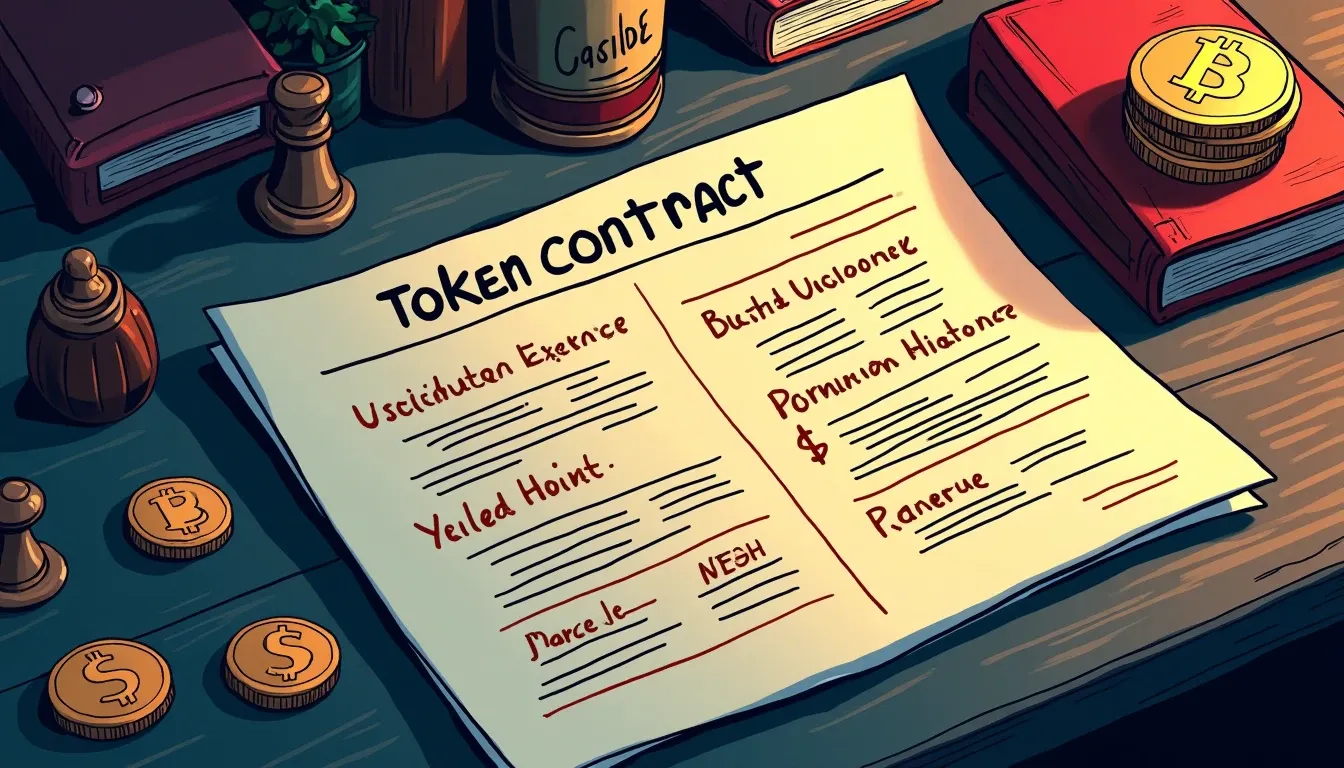
A protocol earning $2M a year does not mean its token does. The two questions are separate and most projects deliberately blur them. Here is how to check.

Daily volume measures activity, not exit capacity. For small caps, the question that matters is whether the pool can absorb your position without collapse.
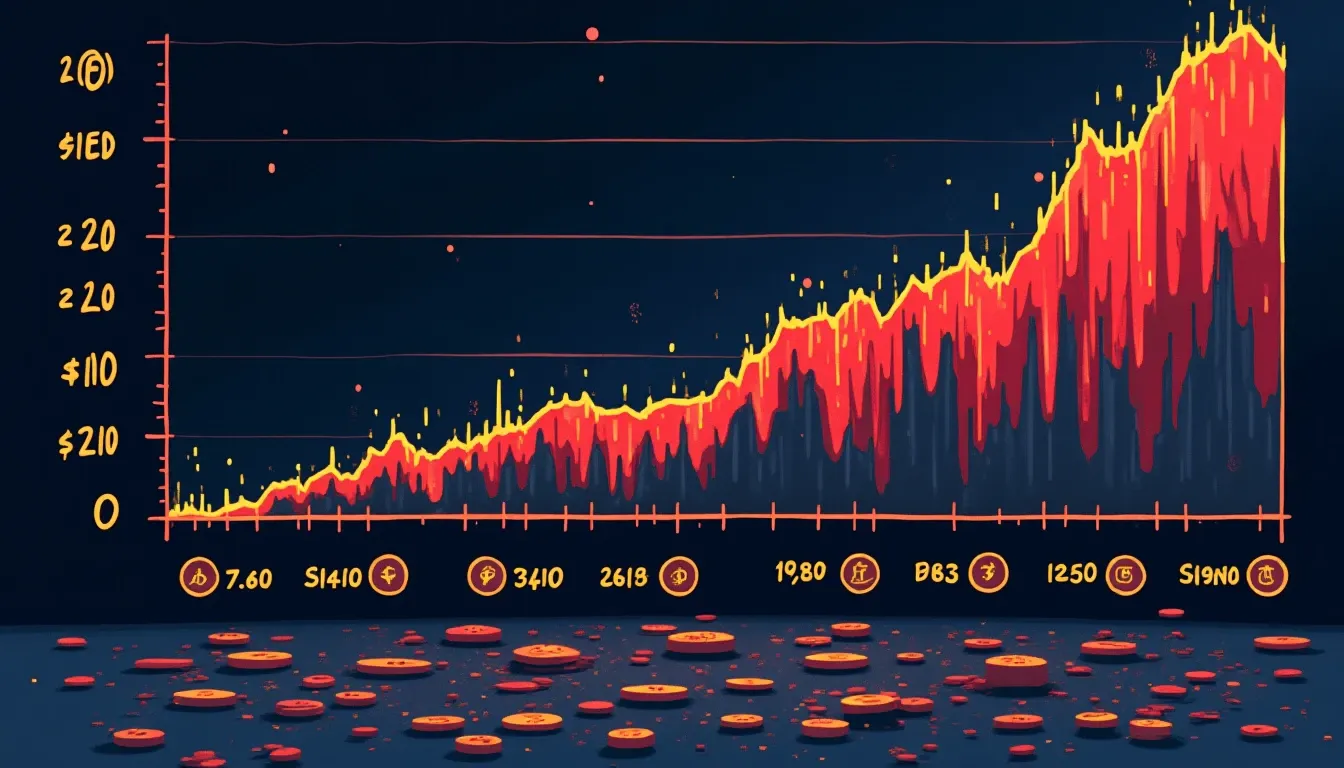
Token unlocks create predictable sell pressure. Here is how to read vesting schedules, estimate dilution risk, and time positions around the supply events most buyers never check.

A data-driven framework for screening low-cap altcoins. Market cap tiers, red flags that eliminate 90% of candidates, and metrics that identify legitimate projects.
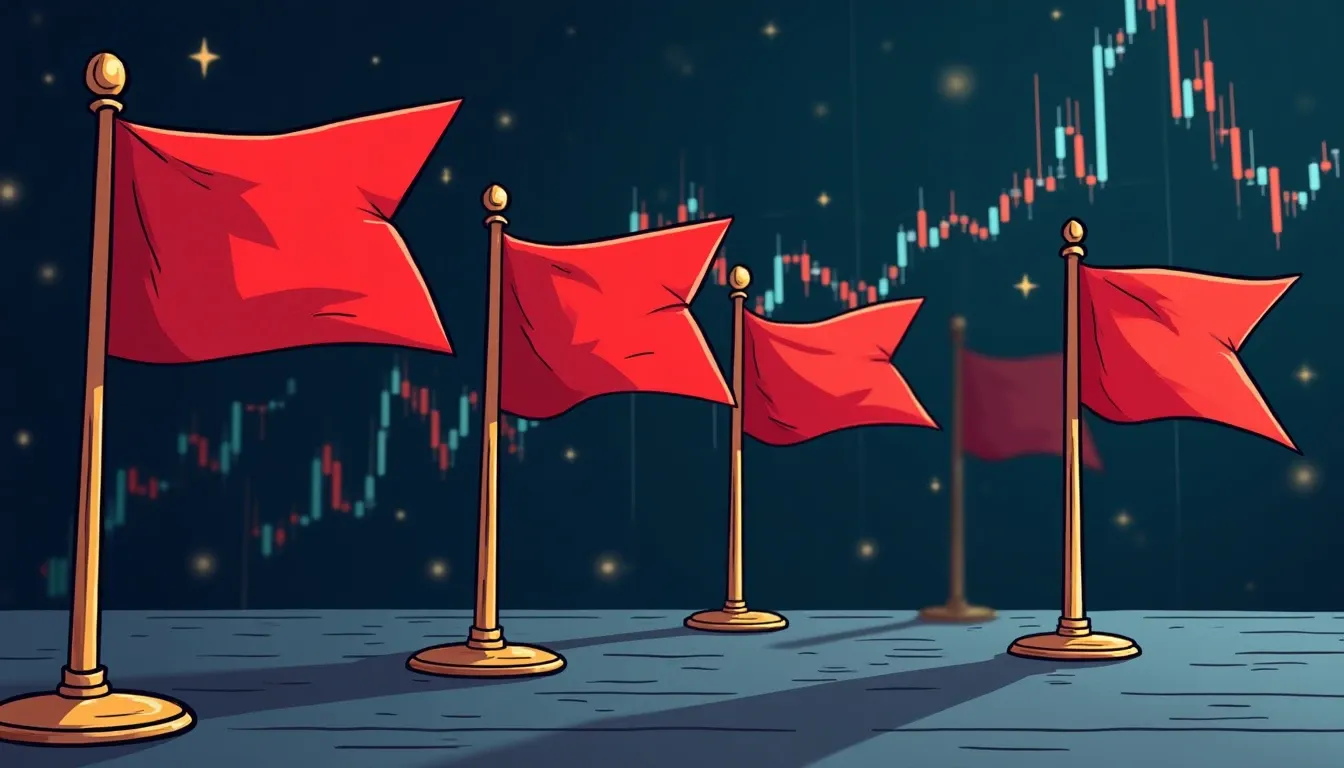
Six disqualifying red flags in small-cap tokens: unverified contracts, wash trading, insider unlock schedules, TVL manipulation, anonymous teams, and vaporware.

A repeatable screening process for small-cap tokens. Market cap versus FDV, liquidity depth, contract verification, team history, and shipped product checks.

Offering users a suite of DEX tools across various blockchain networks.

Top 10 Cryptos Set To Explode By 2025