Which Crypto Tax Tools Handle DeFi Correctly
Most crypto tax software handles exchange trades. Almost none handle rebasing LSTs, LP positions, or multi-chain DeFi correctly. Here is what each platform actually documents.
Most crypto tax software handles exchange trades. Almost none handle rebasing LSTs, LP positions, or multi-chain DeFi correctly. Here is what each platform actually documents.
Ethena's sUSDe pays 7% APY through a delta-neutral basis trade. The yield comes from funding rates, staking rewards, and T-bills - but October 2025 proved what happens when the mechanism flips.
Most bots capture spread, extract funding rate, or sell subscriptions. The profit source defines what breaks it. Here's the decomposition by category.
Restaking yield stacks three layers: base staking, AVS payments, and points programs. Each has a different source and failure mode. Here is what happened the last time TradFi tried this.

If the reason to hold cannot be written as something that could be proven false, it is not a thesis. Here is what to measure, and at what level to act.
Step-by-step checklist for evaluating who actually controls the protocol holding your funds: multisig composition, timelock delays, and admin key capabilities.

Uniswap cut LP fees by 17%. Aave changed liquidation thresholds. Most providers lost 2-5% before they noticed. Here is the checklist that catches changes before they cost you.
A protocol earning $2M a year does not mean its token does. The two questions are separate and most projects deliberately blur them. Here is how to check.
Daily volume measures activity, not exit capacity. For small caps, the question that matters is whether the pool can absorb your position without collapse.
Transaction hashes, cost basis at entry, reward events with dates and prices. What records a DeFi yield position needs years later, and why exchange exports fail.
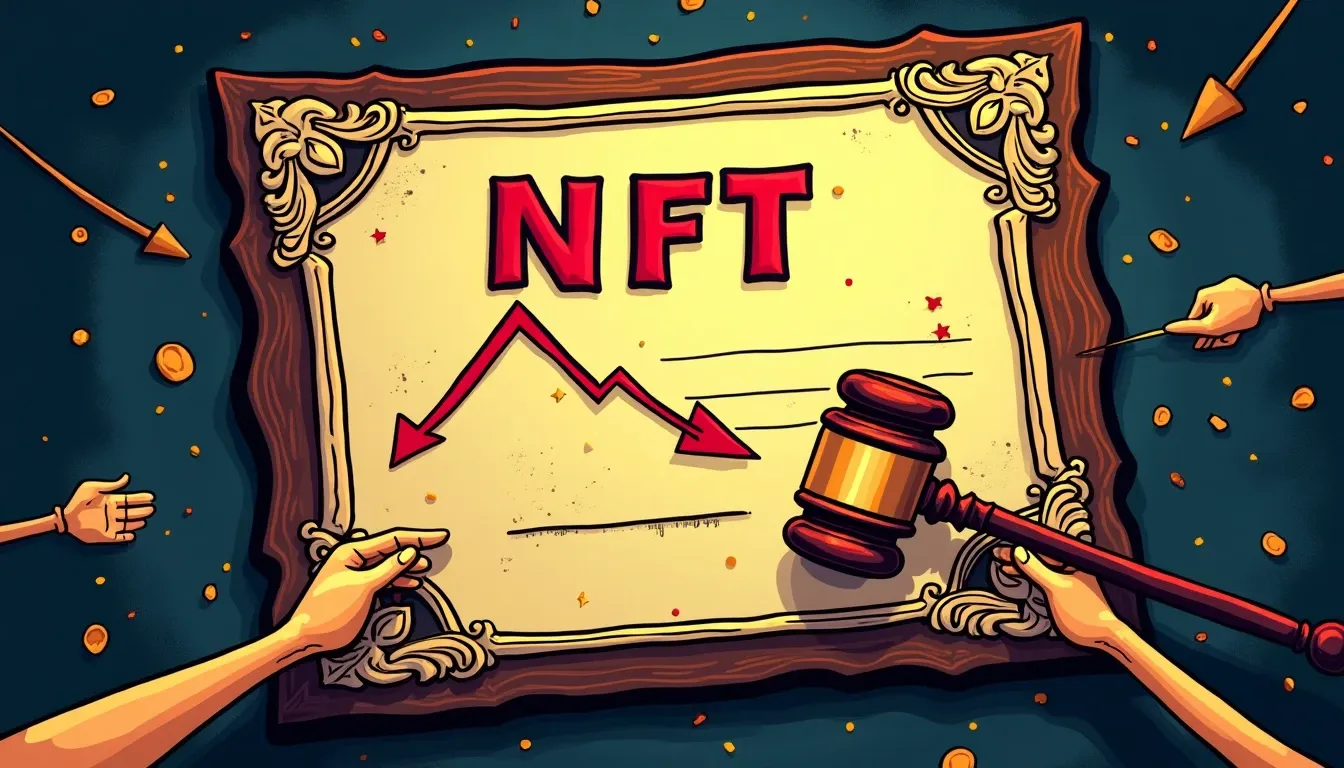
When NFT loan defaults occur, liquidation losses average 46.1% of collateral value. Grace periods, auction mechanics, and recovery rates differ across platforms.
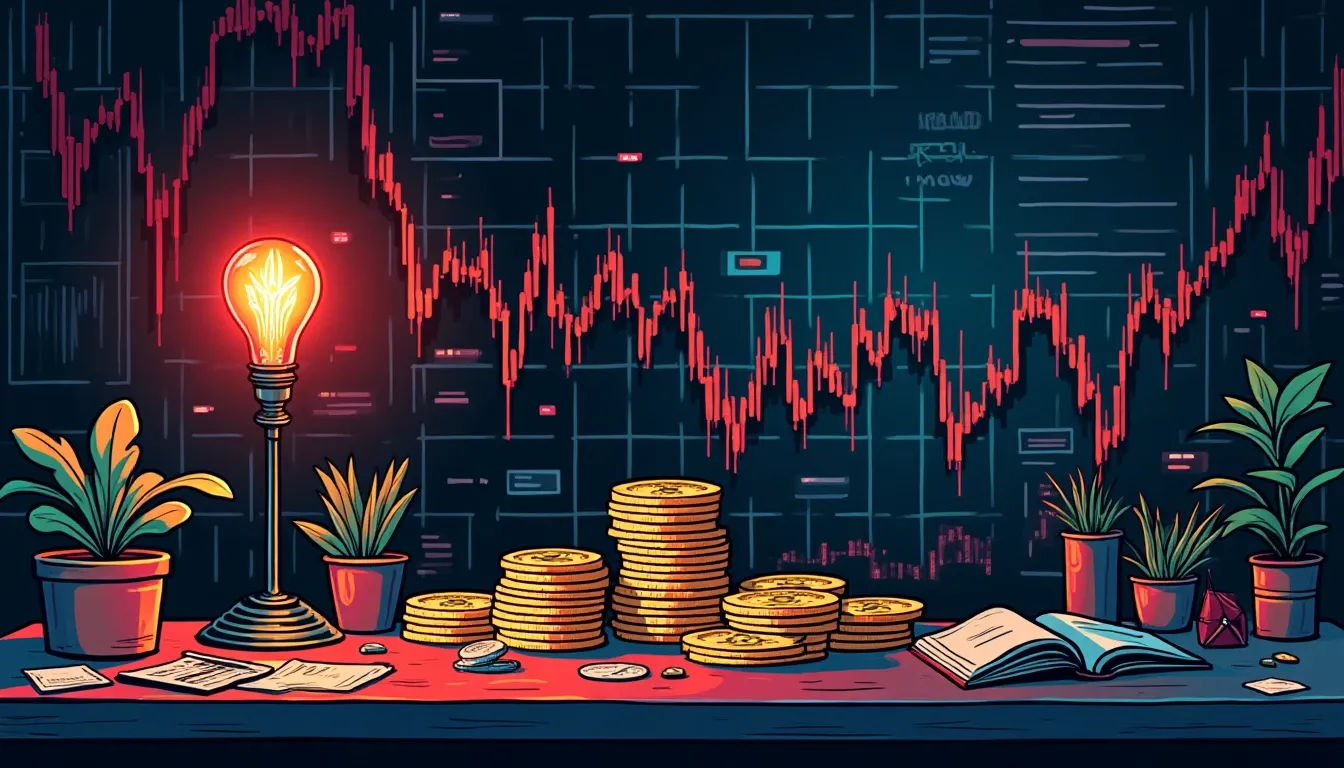
Structural yield from protocol fees survived 2018-19 and 2022-23. Emissions-based strategies collapsed. Here are the tests to apply before committing capital.
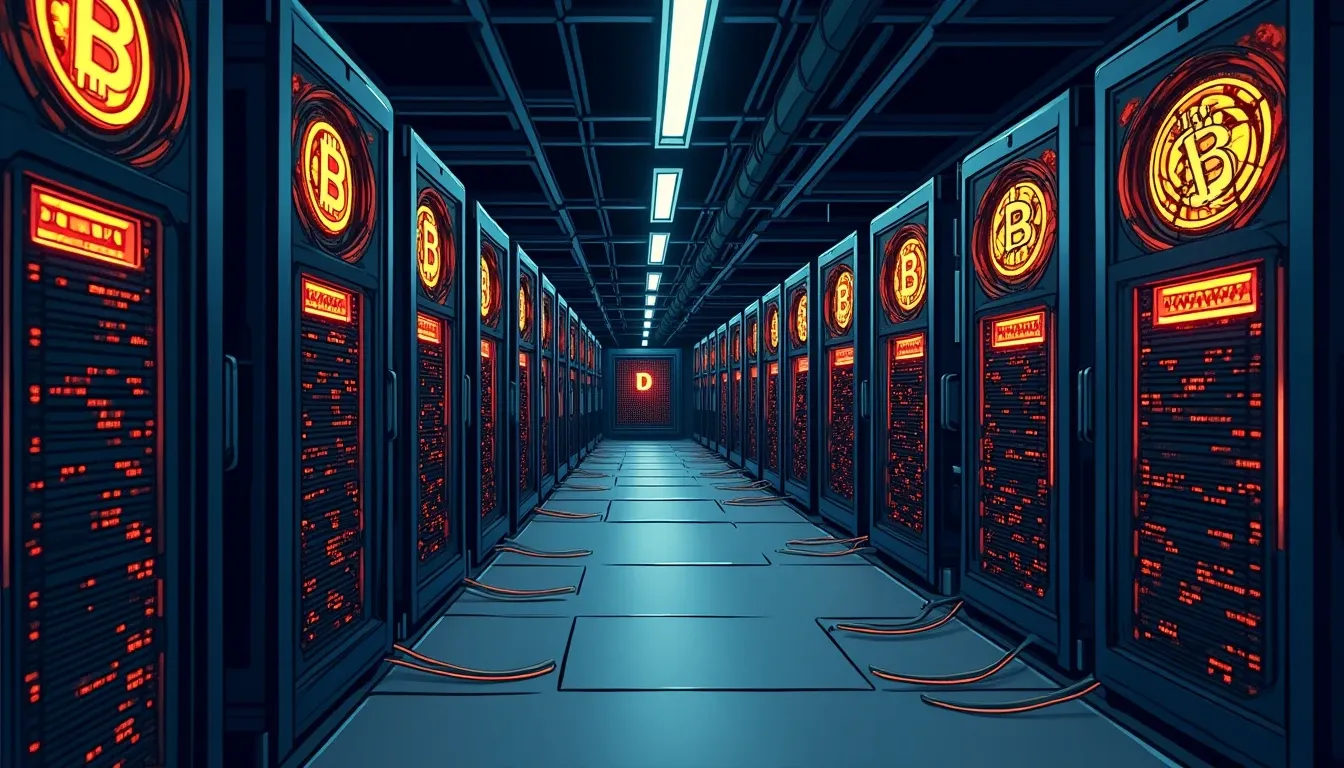
FPPS vs PPLNS vs PPS mechanics, hidden fee identification, and the specific variables that shift real mining returns by 5-15% between pools.
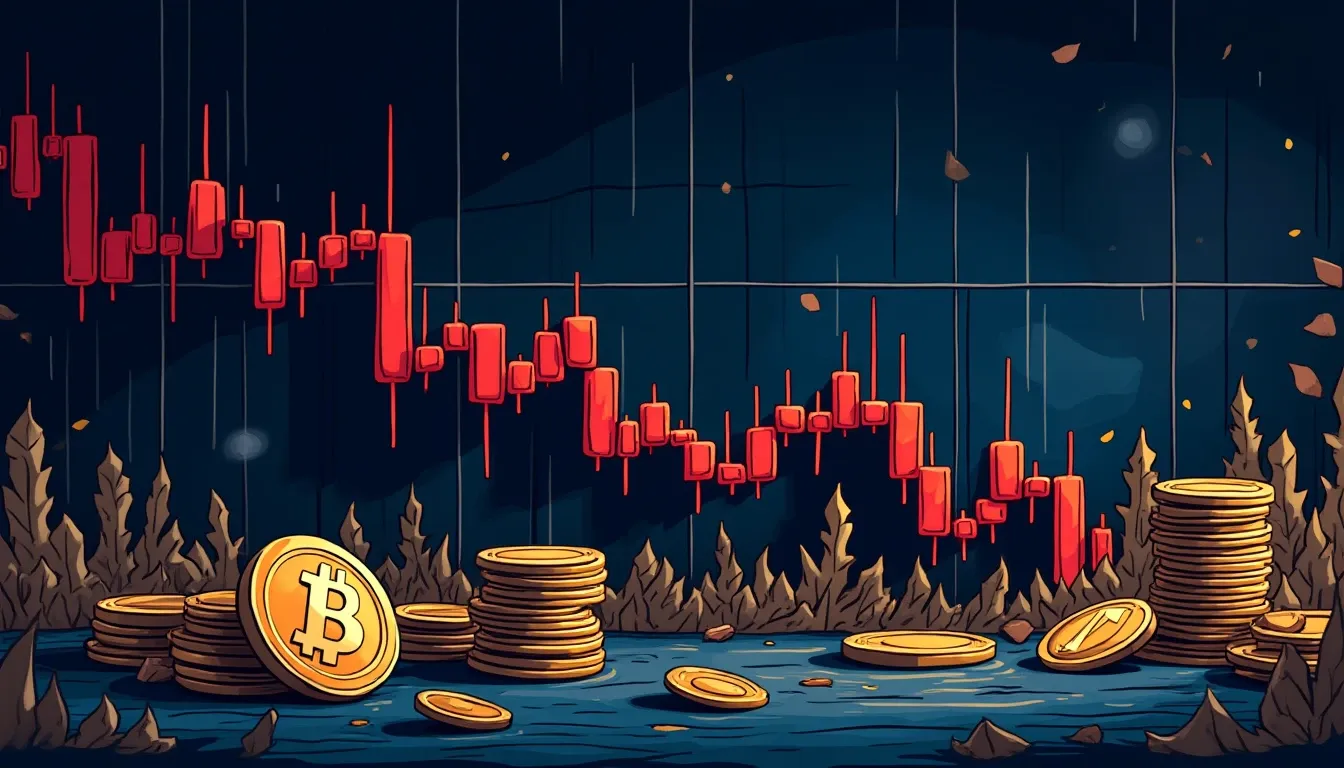
Every depeg looks obvious afterward. The signals that mattered were visible beforehand, but ambiguous. Here's what was actually observable at the time.
32 ETH minimum, 24/7 uptime, hardware costs, and fee drag. Here's the break-even calculation between solo and pooled ETH staking after all costs.
The tax is rarely the problem. The records are. What to capture at the moment of each DeFi transaction, why exchange exports fail, and how to reconstruct.