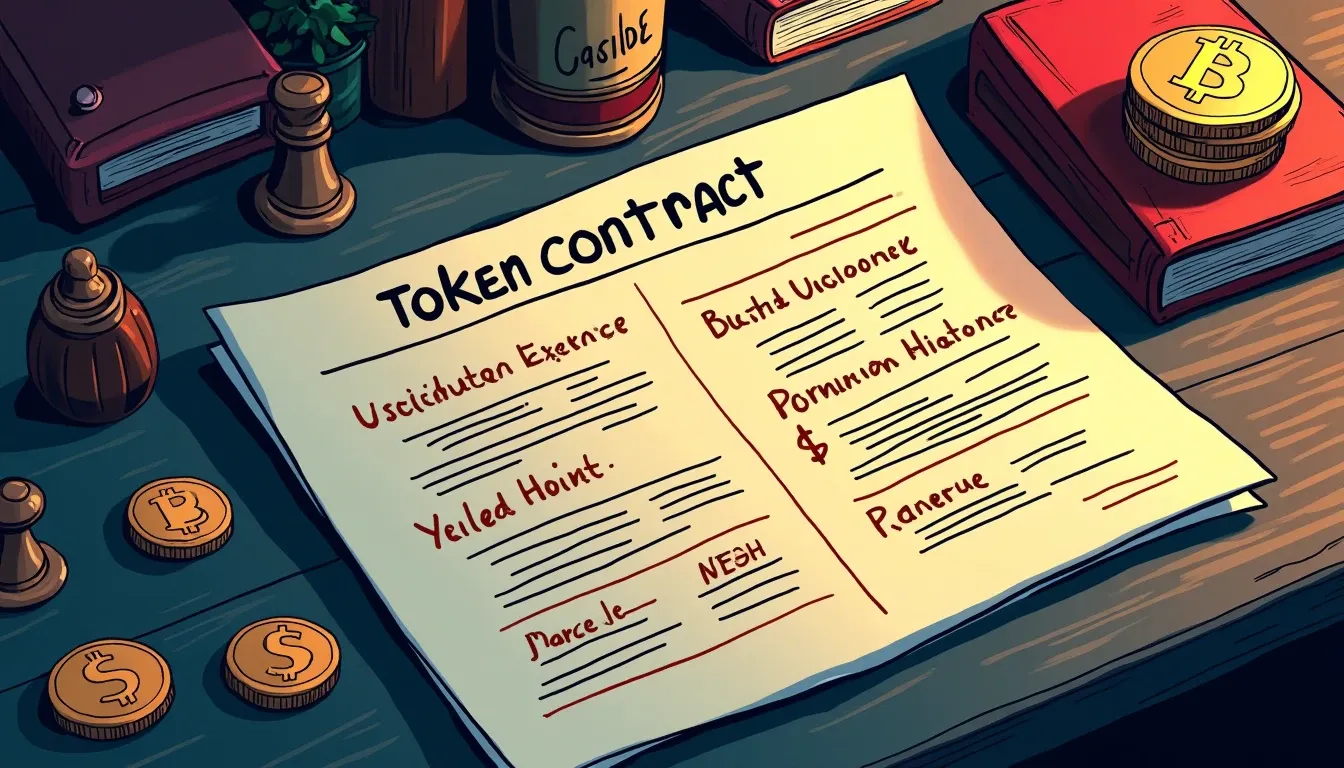
Does The Token Actually Earn Anything?
A protocol earning $2M a year does not mean its token does. The two questions are separate and most projects deliberately blur them. Here is how to check.
A protocol earning $2M a year does not mean its token does. The two questions are separate and most projects deliberately blur them. Here is how to check.
Daily volume measures activity, not exit capacity. For small caps, the question that matters is whether the pool can absorb your position without collapse.
Coinbase loans run on Morpho's DeFi protocol, not Coinbase's balance sheet. That changes who holds collateral, how liquidation works, and where you go when something breaks.

Free portfolio trackers cover the basics but break on concentrated liquidity, rebasing tokens, and locked positions - exactly what's worth the most in DeFi.
Every depeg looks obvious afterward. The signals that mattered were visible beforehand, but ambiguous. Here's what was actually observable at the time.

The tax is rarely the problem. The records are. What to capture at the moment of each DeFi transaction, why exchange exports fail, and how to reconstruct.
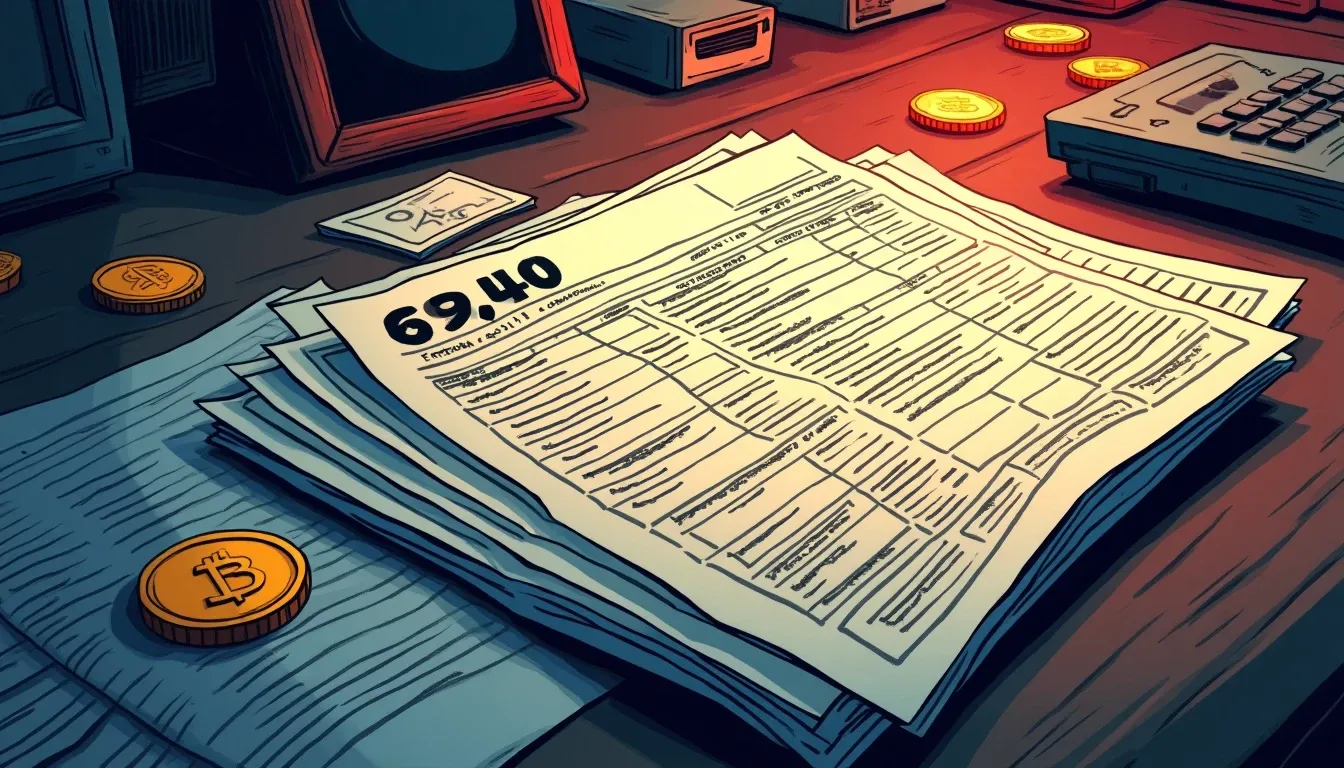
Most crypto tax software handles trades. Almost none handle rebasing LSTs, LP positions, or multi-chain DeFi correctly. We tested on the hard cases.
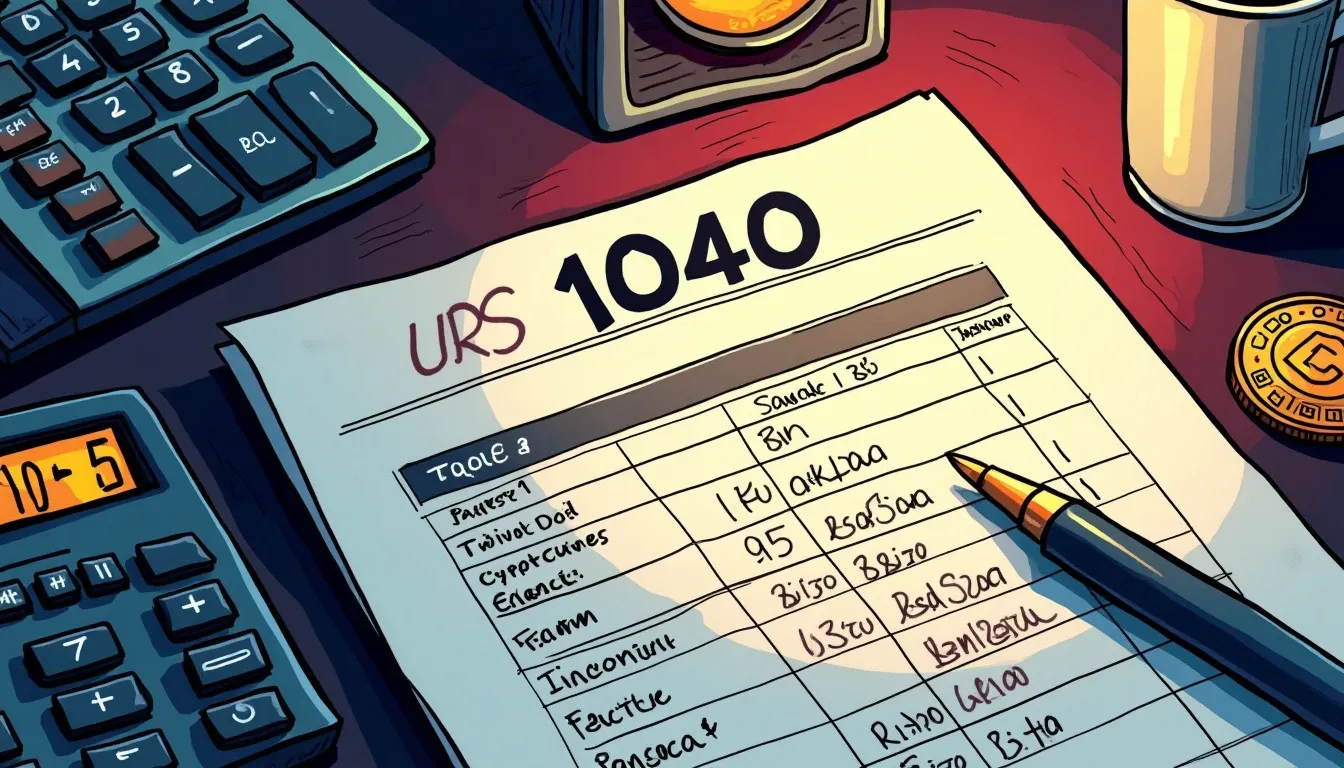
Rebasing and value-accruing tokens create different tax obligations. Here is how to report DeFi yield, track cost basis, and keep the records that survive audit.
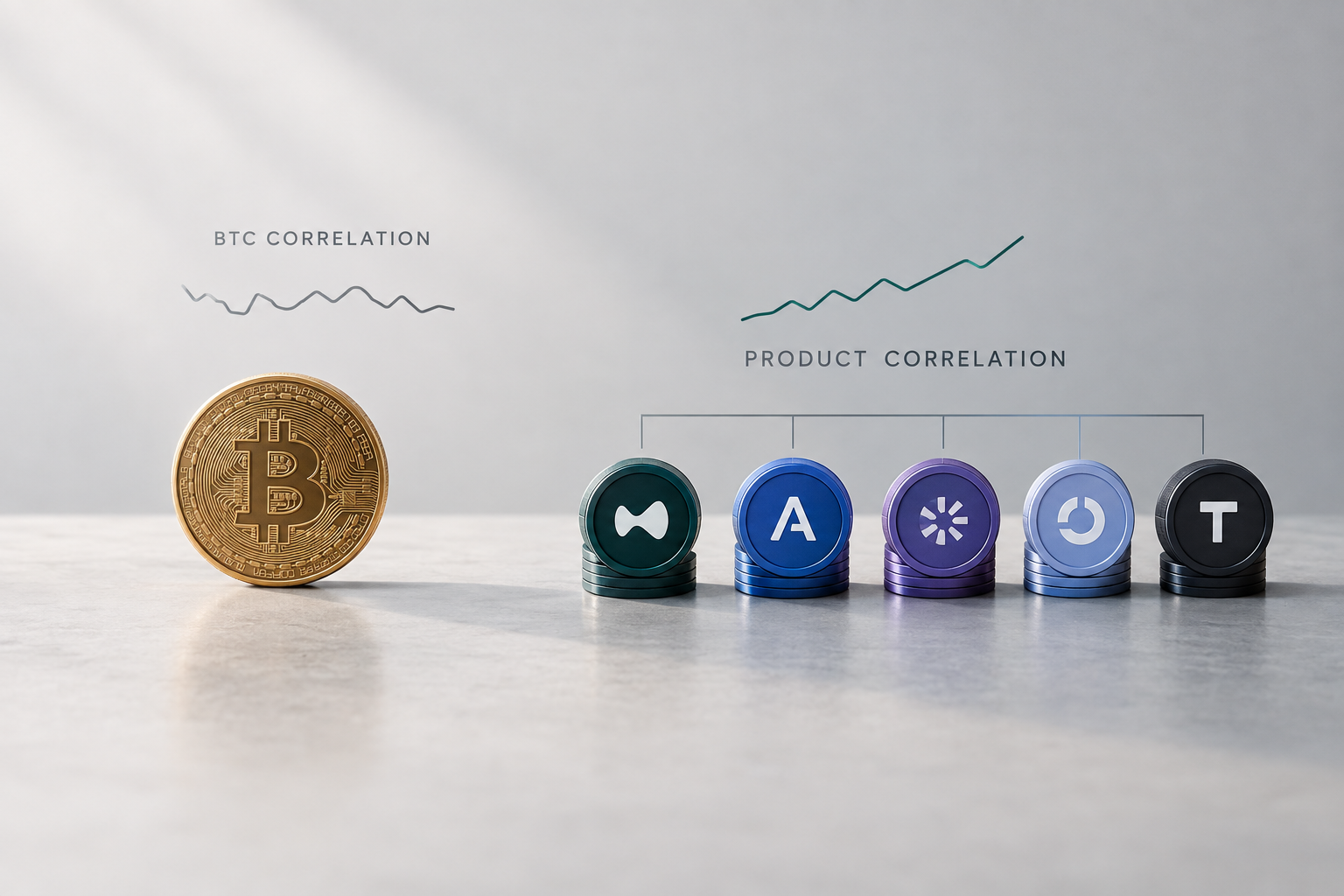
Every founder who has watched their token bleed through a good quarter has heard the same consolation.

Bridges have lost $328M in 2026 alone. Here's the security architecture, exploit record, and fee comparison that tells you which bridges are safe to use.

Fiat reserves, crypto collateral, or algorithmic code. Three mechanisms, three risk profiles. Terra/Luna showed what happens when the mechanism is reflexive.

USDC offers regulated transparency with Deloitte attestations and direct redemption. USDT delivers global liquidity and emerging-market reach. Which stablecoin you choose depends on what breaks first.

Which DeFi protocols US users can access legally in 2026. Covers IP blocks, SEC enforcement risk, the distinction between using vs. providing service, and how to evaluate new protocols.
Supply USDC to Aave, Morpho, or Compound and earn 3.5-8% APY. Here's how the variable-rate mechanism works, where yield comes from, and what breaks first.

Impermanent loss occurs when providing liquidity to AMMs. The mechanism, worked examples, when fees offset it, and why over 50% of LPs lose money.
Staking offers 3-8% APY with protocol risk. Lending delivers 3-5% with counterparty risk. Here's which fits your portfolio and when to use each.