
Curve Pool Disappeared From Tracking: Exit Signals And Recovery
When Curve pools disappear from tracking, you have 1-2 weeks to exit before liquidity drains. Here are the on-chain signals that precede deprecation and the recovery steps.
Real crypto income, honestly assessed: stablecoin yield, staking, and DeFi lending. What earns, what breaks and how to verify before you deposit.
When Curve pools disappear from tracking, you have 1-2 weeks to exit before liquidity drains. Here are the on-chain signals that precede deprecation and the recovery steps.

Jupiter Lend's 6.31% USDC rate on $1.1B TVL jumped 1.16pp this week. Before you allocate, test utilization, emissions, borrower composition, and exit depth.
WETH-USDT jumped 15pp and WBTC-USDT rose 6.5pp this week. Here is the fee mechanism behind volatility-driven rate spikes, how long they last, and position sizing rules to capture yield before IL dominates.
Mastercard's $1.8B BVNK acquisition enables stablecoin spending at hundreds of millions of merchants. The mechanism creates new fiat-to-stablecoin velocity paths, not yield.
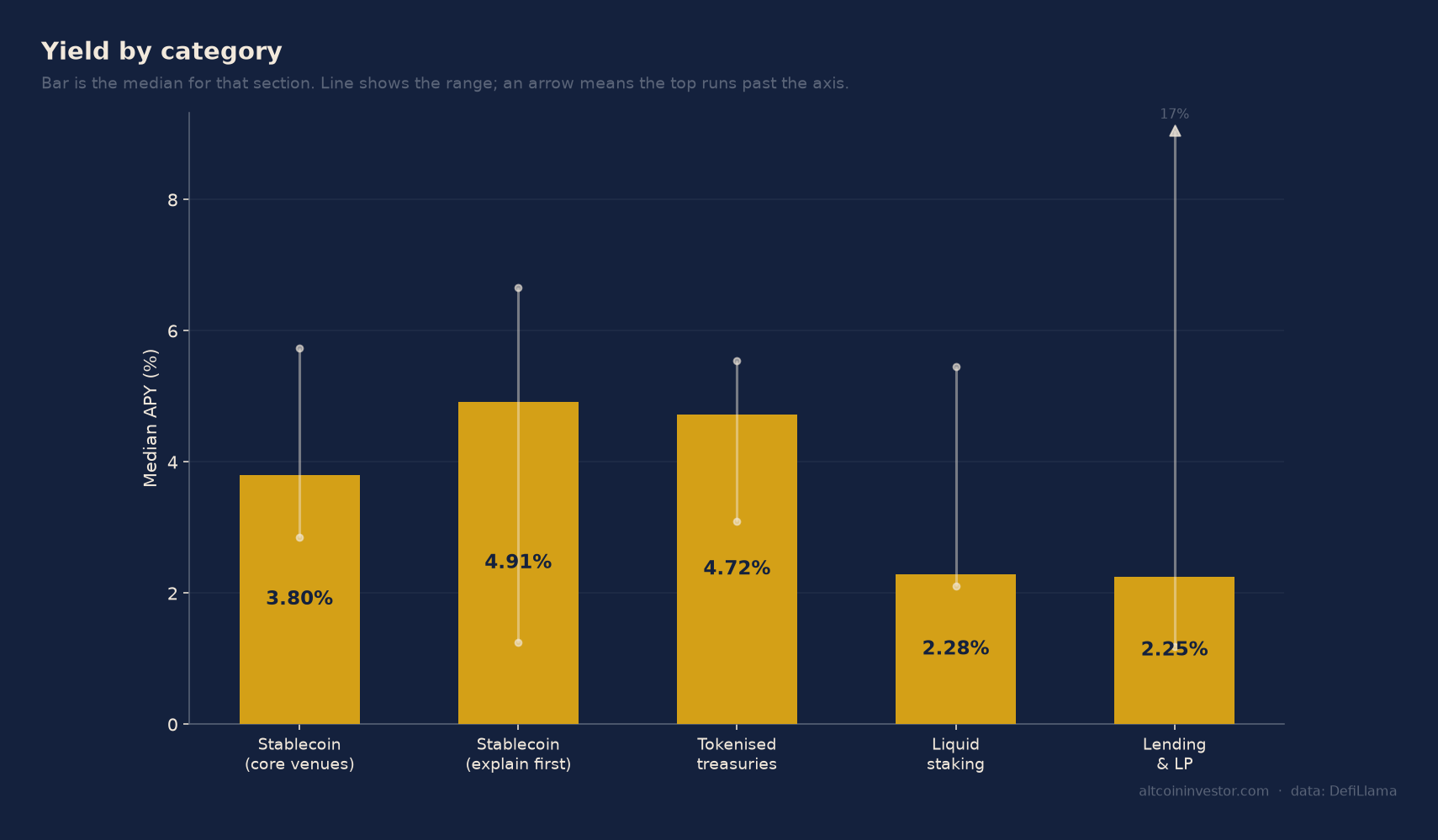
Sky's new STUSDS offering pays 5.6%, while Compound USDC climbed back to 5.74%. Six venues dropped out this week, mostly high-emission LP pools that no longer meet minimum bars.
Staking, stablecoin yield, DeFi lending, LP farming, and mining compared. Real yields net of fees, capital requirements, and what each approach actually costs you.

Strive bought 3,311 BTC for $280 million using warrant exercises and share issuance, increasing outstanding shares by 9.4% while avoiding debt financing.
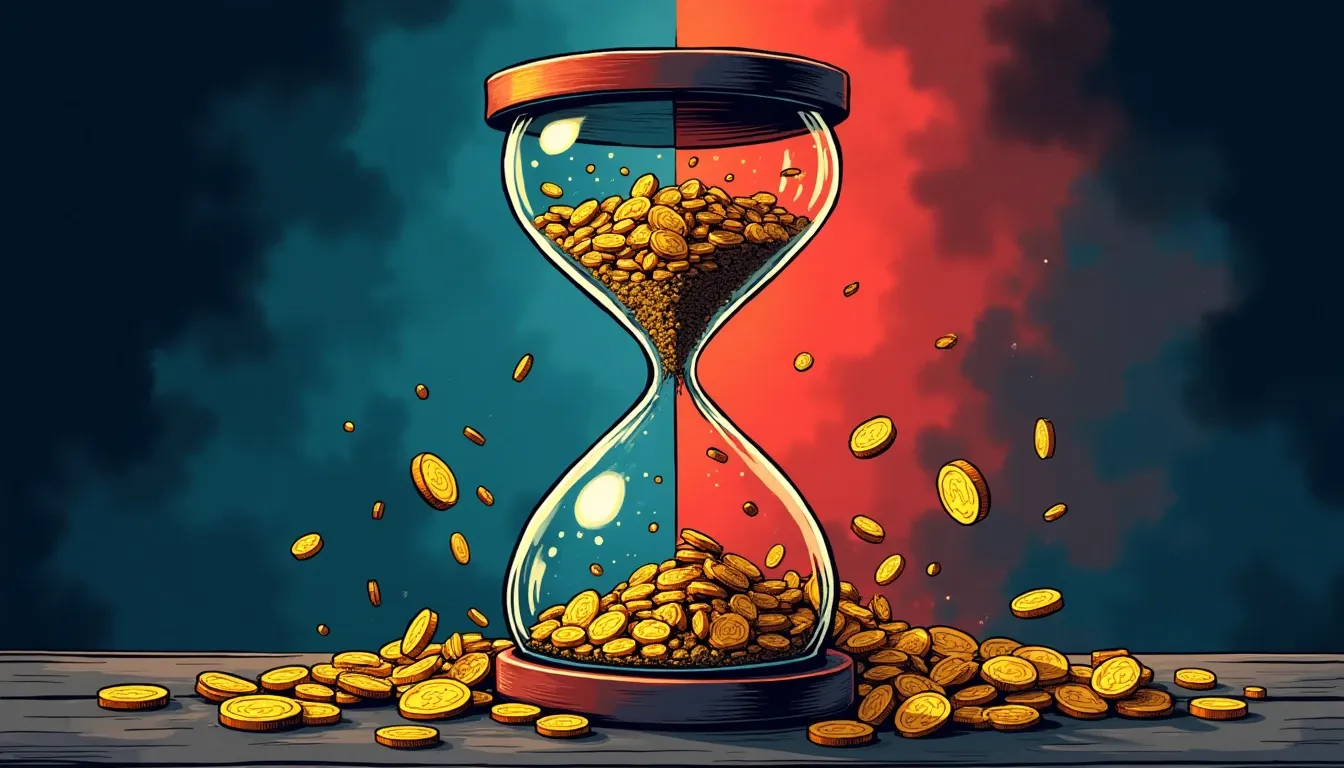
Real yield comes from protocol fees, spread, and external revenue. Fake yield comes from token emissions, subsidies, and recycled deposits. The question that separates them: where does the money actually come from?
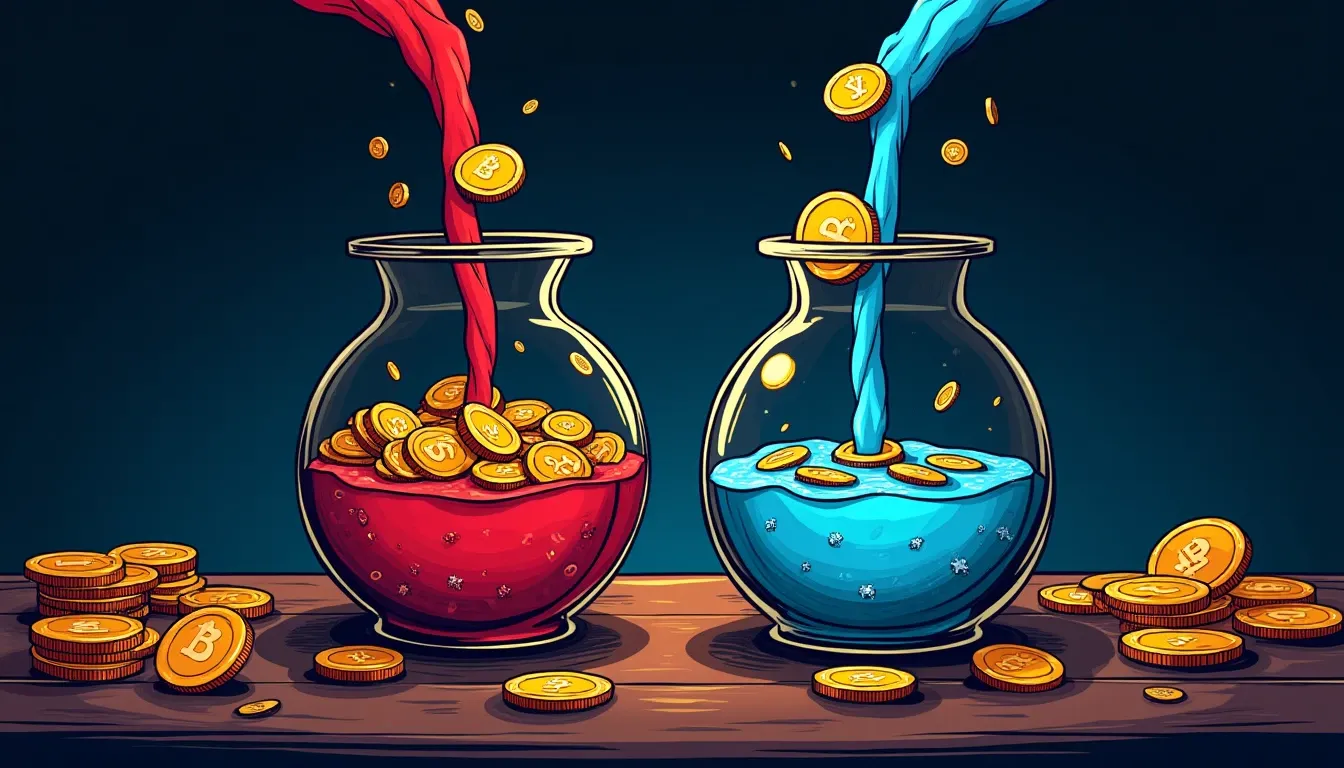
Yield farming pays fees plus token rewards. The fees are sustainable income. The token rewards often dilute. Here's the mechanism breakdown, impermanent loss math, and when farming makes sense.
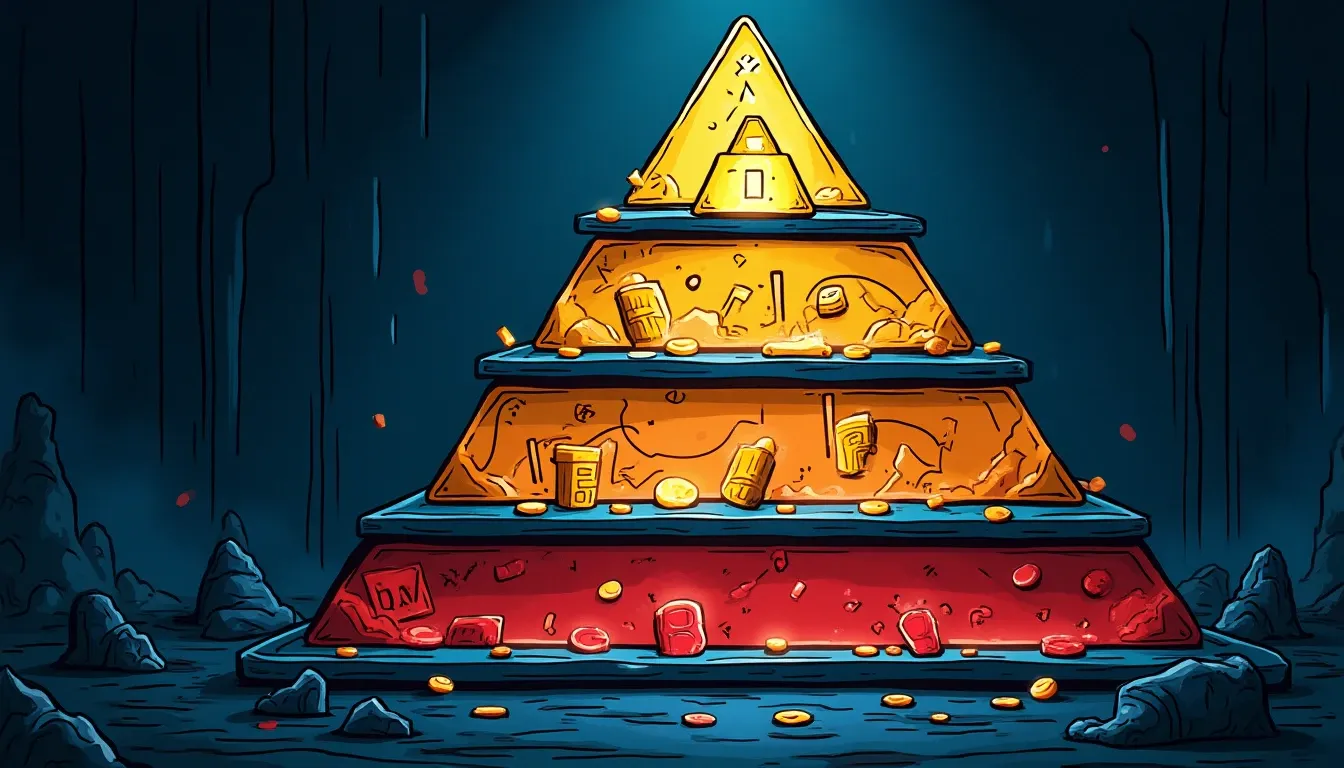
Real DeFi yield means verifiable income sources: Aave lending at 4-8%, Curve LP fees, Pendle fixed rates. Here is the risk stack framework and protocol selection logic.
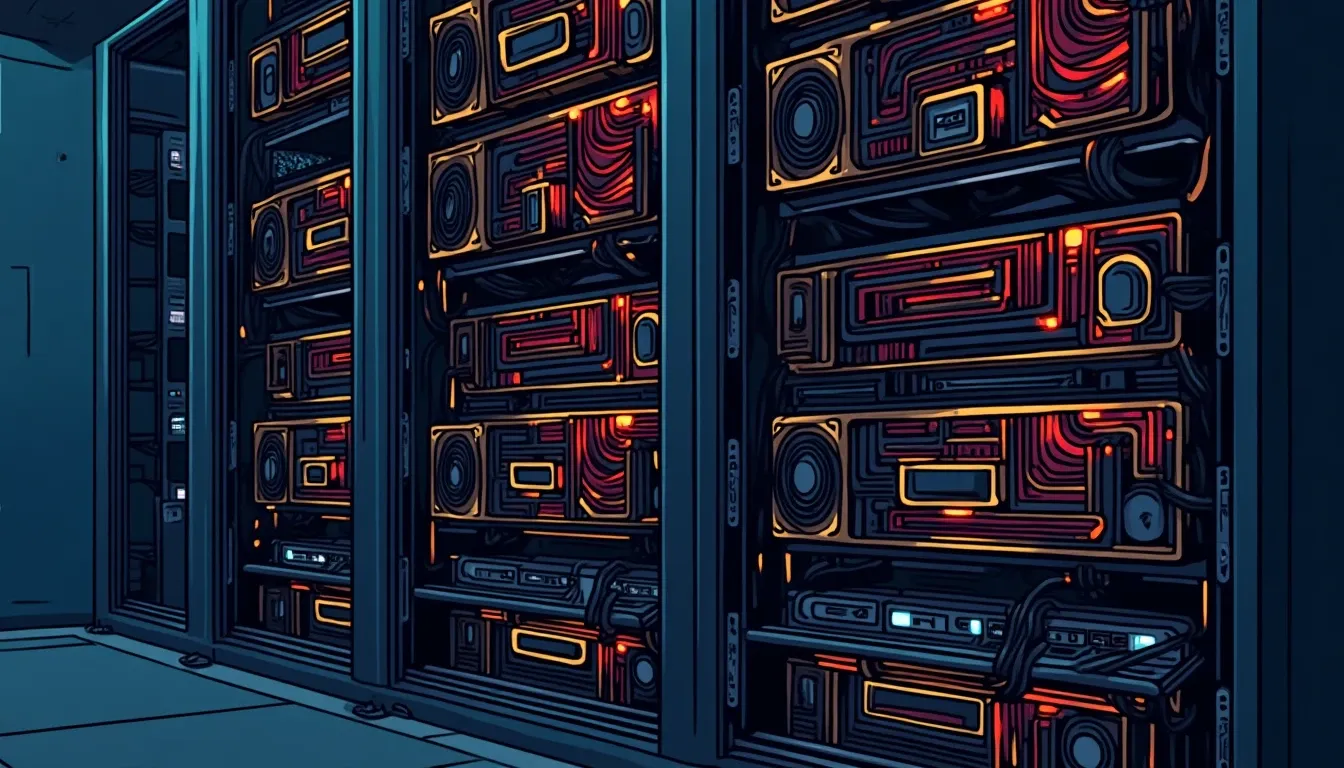
Vast.ai, Akash, and Render pay GPU owners differently. Real earnings data, platform fees, and uptime requirements measured across three networks in 2026.
Render node operators earn RENDER tokens for GPU rendering jobs, but payout is unpredictable and hardware-dependent. Here's the full cost structure and realistic monthly income by GPU tier.

The CFTC just proposed defining sports, politics, and weather event contracts as federally regulated swaps while explicitly excluding sportsbooks and casino games.

Zcash will deploy post-quantum signature opcodes in January 2027, protecting 70% of issued ZEC supply in transparent transactions while shielded payments await late 2027.
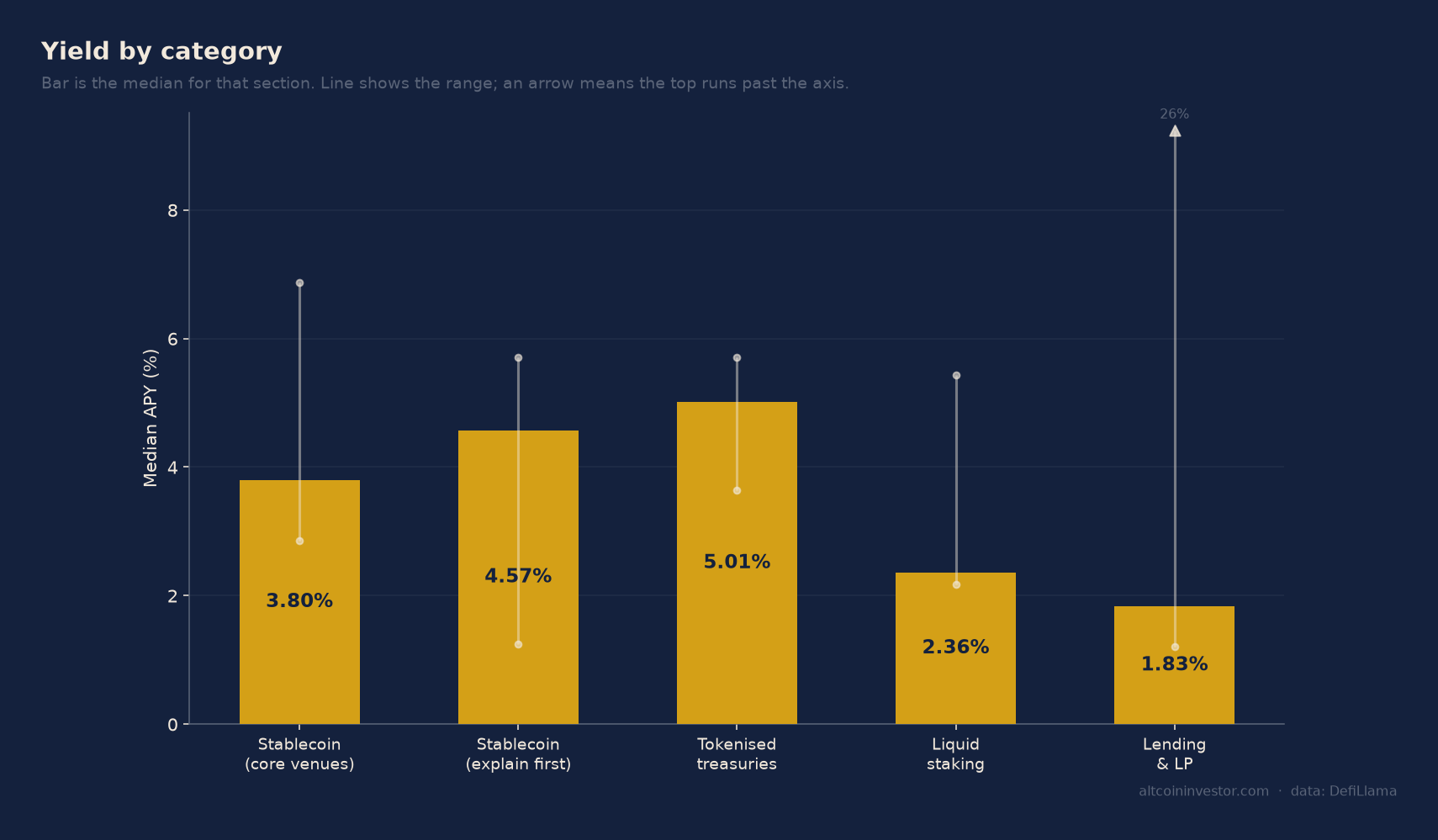
Compound USDC at 6.87% now tops all major stablecoin lending venues, while a Uniswap V3 BTC-USDT pair is showing 25.54% fee yield with full impermanent loss exposure.

MiCA Title III and IV provisions shape which yield strategies EU users can deploy. Which vehicles remain compliant, which are grey-zone, and what changed July 1, 2026.