Where To Hold Stablecoins For Yield: Every Option Compared
Three venues paying 4% carry entirely different risks. The rate is not the decision. The risk behind it is.
Real crypto income, honestly assessed: stablecoin yield, staking, and DeFi lending. What earns, what breaks and how to verify before you deposit.
Three venues paying 4% carry entirely different risks. The rate is not the decision. The risk behind it is.
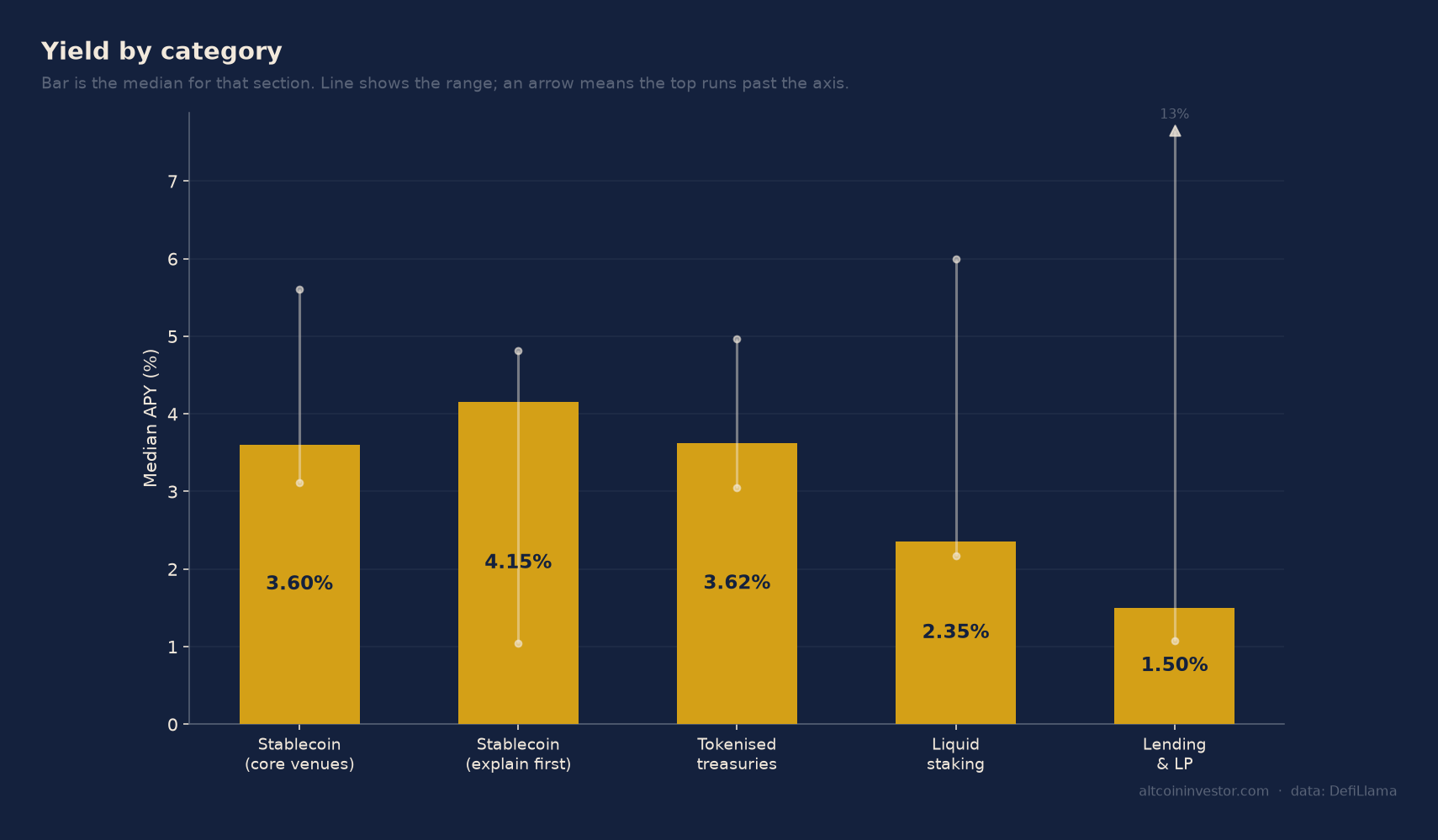
Stablecoin yields on major lending protocols cluster between 3.6% and 3.85%, with outliers at 5.61% requiring more risk examination.

How Argentine users acquire USDC, earn 4-6% yield, and preserve purchasing power against peso devaluation. The ground-truth playbook from a market few cover.

Visa has opened VisaNet settlement data to blockchain lenders, financing more than $20 billion annually in stablecoin card settlement with zero defaults recorded.

Fiat reserves, crypto collateral, or algorithmic code. Three mechanisms, three risk profiles. Terra/Luna showed what happens when the mechanism is reflexive.

The $320 million Liquid Network breach exposed bridge risks that hit Argentine and Turkish savers hardest. Here's why sidechain vulnerabilities threaten real income flows.

USDC offers regulated transparency with Deloitte attestations and direct redemption. USDT delivers global liquidity and emerging-market reach. Which stablecoin you choose depends on what breaks first.

Framework for evaluating yield before you deposit: source-of-return test, sustainability signals, risk stack, and the specific stress tests to apply.
Argentina, Turkey, Nigeria, Lebanon all followed the same four-stage sequence: dollar demand rises, stablecoins follow, yield opportunities emerge, income spreads open.

Which DeFi protocols US users can access legally in 2026. Covers IP blocks, SEC enforcement risk, the distinction between using vs. providing service, and how to evaluate new protocols.
Argentina, Turkey, Nigeria, Lebanon all followed the same four-stage sequence: dollar demand rises, stablecoins follow, yield opportunities emerge, spreads appear.

Ethena advertises 18% APY. The question is where that 18% comes from, and what happens when funding rates stay negative long enough to exhaust the reserve fund.

The SEC and CFTC launched joint leverage rules September 2, 2026. Platforms offering margined crypto face compliance costs that reshape income access for traders and LPs.

Yield farming in 2026 is not the same degen play as 2021. Here's the due diligence framework, position sizing rules, and red flags that separate sustainable yield from Ponzi mechanics.
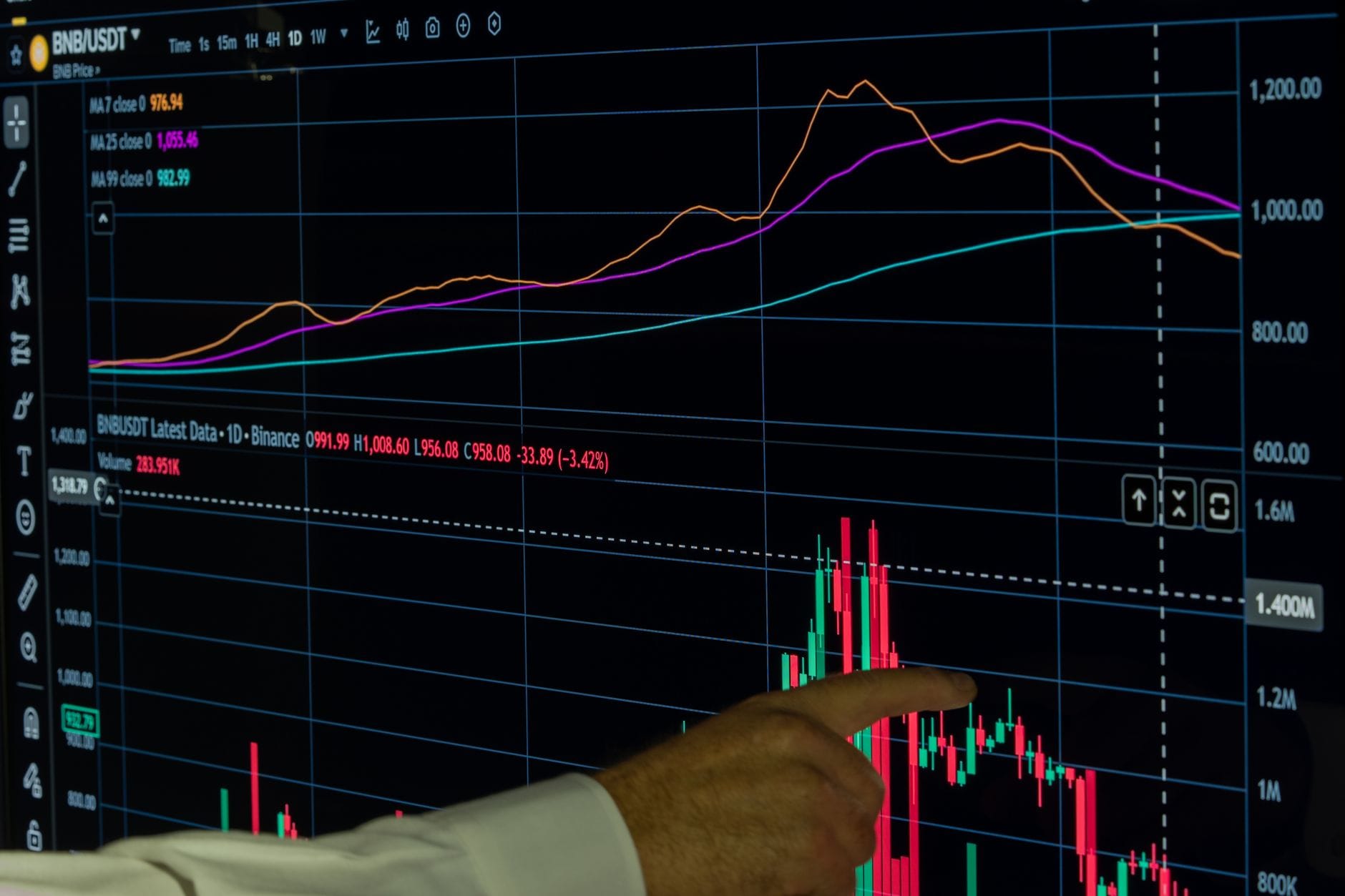
Concentrated liquidity on Uniswap v3/v4 earns 5-50x more fees than V2, but only if price stays in range. Here's the mechanism, the math, and the failure modes.
Supply USDC to Aave, Morpho, or Compound and earn 3.5-8% APY. Here's how the variable-rate mechanism works, where yield comes from, and what breaks first.