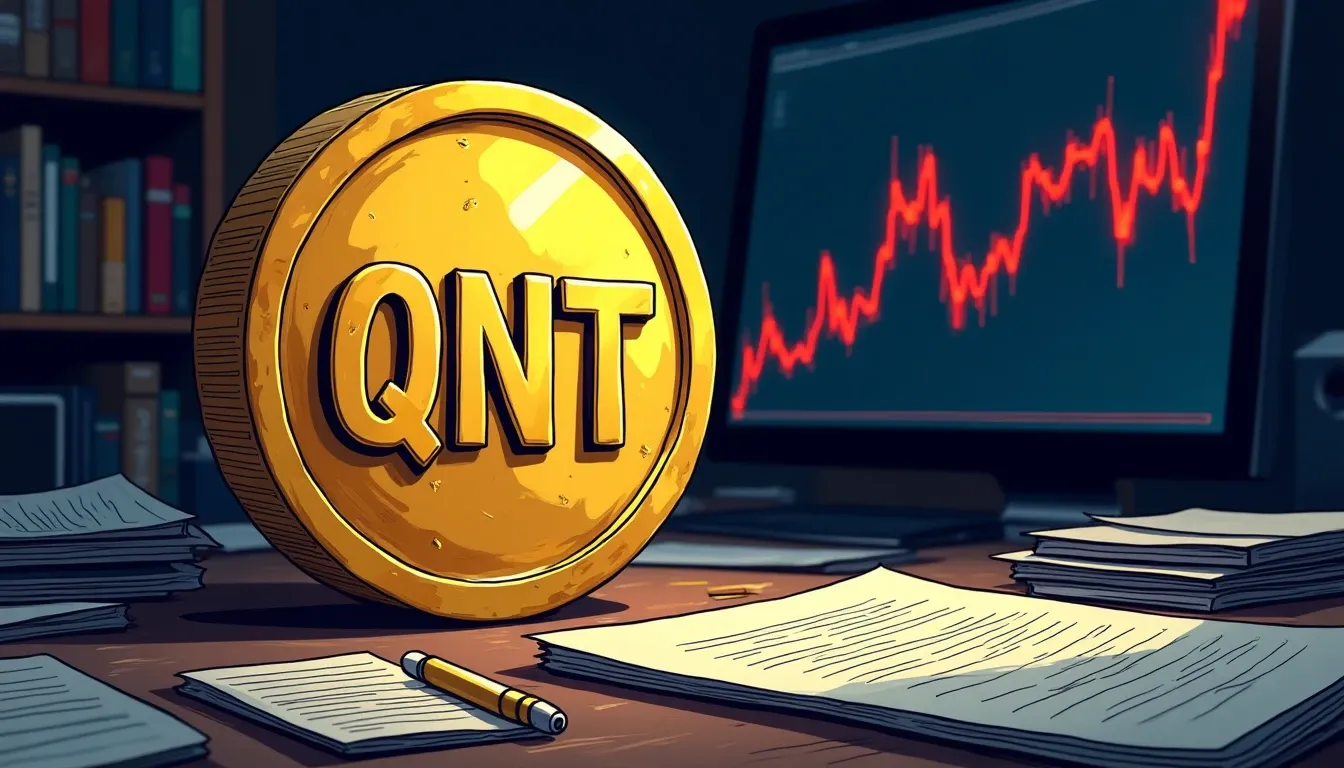
Quant Surges 65.7% in 30 Days on US Banking Partnership
Quant rallied 65.7% over 30 days to $105.78 as The Clearing House selected it to power a US tokenized deposit network for 25 major banks launching in 2027.
Through my work, I aspire to be a source of knowledge and inspiration for those exploring the dynamic and exciting world of cryptocurrencies.
Quant rallied 65.7% over 30 days to $105.78 as The Clearing House selected it to power a US tokenized deposit network for 25 major banks launching in 2027.
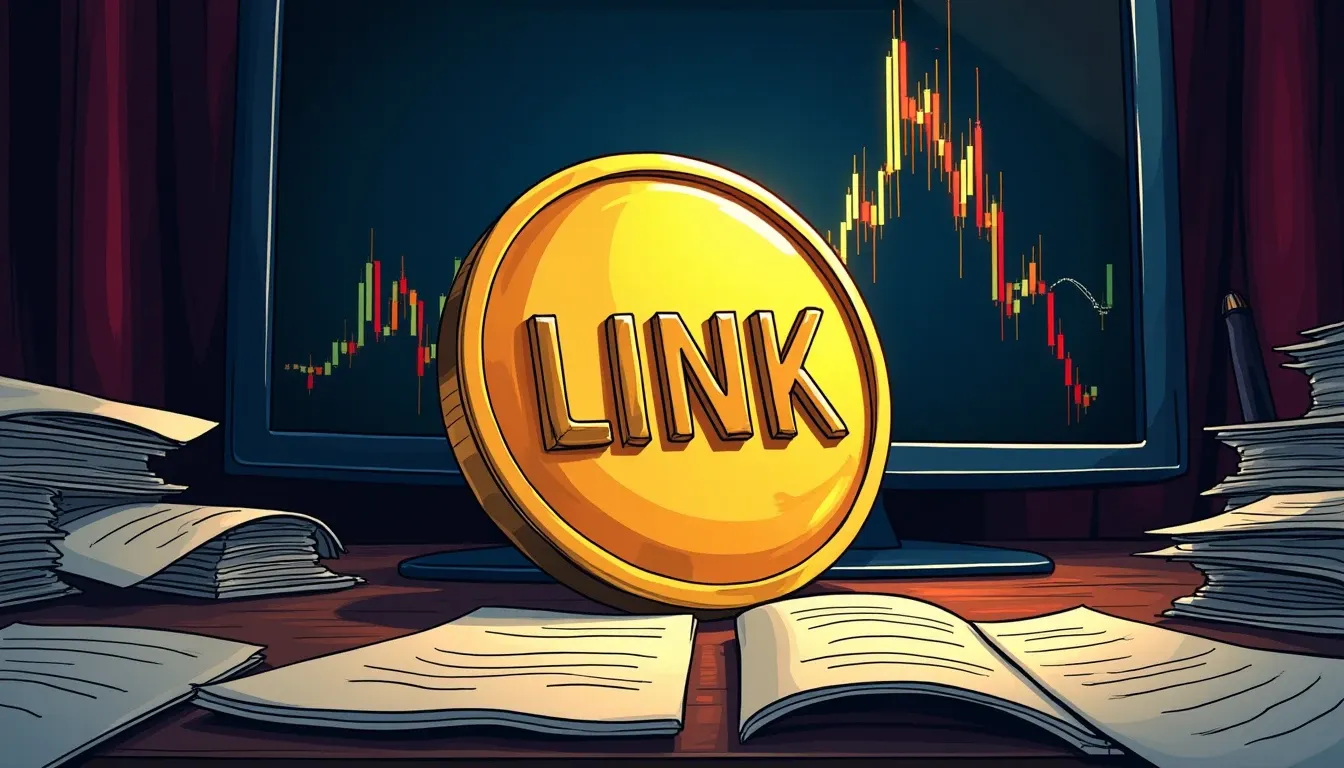
Chainlink climbed 12.0% to $14.0 as institutional buying reversed the initial selloff following its September 22 Infosys partnership announcement.

Optimism RetroPGF distributed 30M OP across 501 builders. Arbitrum grants range from $20K to $1.5M. Here's how to qualify and what evaluation criteria actually matter.
Fewer than 22% of IDOs hold their launch price after 30 days. Here is the 15-minute evaluation checklist that separates viable projects from rug pulls.

CoinList offers the best historical track record but blocks US users. DAO Maker requires 2,000 DAO tokens. Fjord uses LBPs for fair price discovery.
Frgmnt's stablecoin protocol now delivers on-chain lending yields through regulated custody infrastructure, generating 13.32% from DeFi markets without requiring institutions to manage wallets.
Kaspa rallied 44.8% over 30 days to $0.0419 as capital rotated into higher-beta altcoins and the June 30 Toccata hard fork added smart contract functionality.
AI tokens rallied 1,247%. DePIN hit $20B. RWA grew 85% year-over-year. Narratives drive altcoin cycles. Here is how to identify them early and time the exit.

Crypto guest posts have emerged as a strategic tool for brands looking to enhance their reputation and visibility.
Dogecoin climbed 10.2% to $0.093504 as Bitcoin and large-cap altcoins rallied. The move followed the broader crypto market, not DOGE-specific news.
Most retail traders lose money. This guide covers position sizing, order types, why DCA beats active trading, and the specific approach that works for beginners.
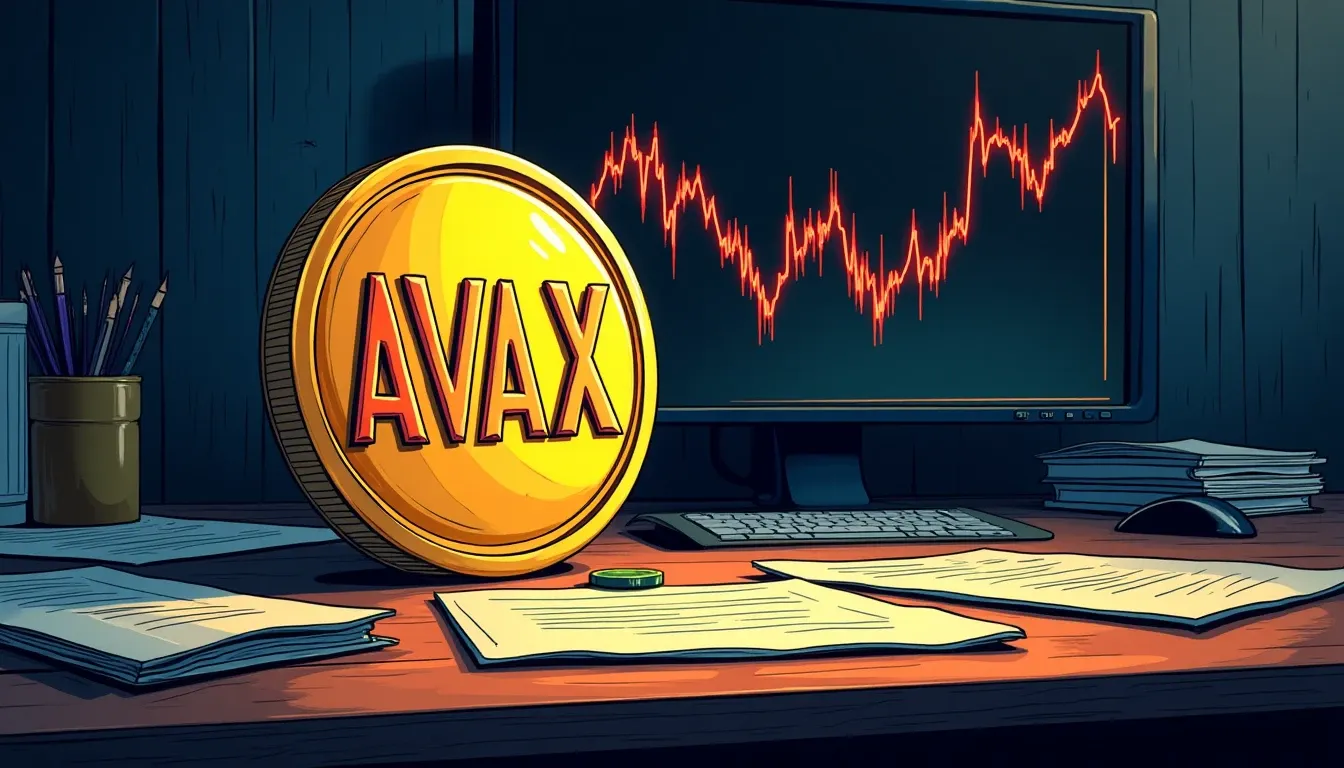
Avalanche rallied 45.5% over 30 days to $11.15 as Charles Schwab announced AVAX listings, Paxos integrated custody, and the Helicon staking upgrade reduced lockup periods to 48 hours.

Coinbase and Moov connected stablecoins to 1,000 banks. Aave V4 crossed $900M despite slow migration. Tax software, mining economics, and yield frameworks dominated the week.

Most P2E players earn $5-$10 monthly despite hours of daily play. Here's the realistic income data, which games still pay, and why most 2021 earnings vanished.
Variance math proves solo mining is a lottery below 9.5 EH/s. Pool fees run 0-4%. Here's when each makes economic sense for small operators in 2026.

DePIN networks pay users for compute, storage, and bandwidth. But only a handful generate sustainable revenue. Here's the difference between real economics and token emission farming.