How To Audit Protocol Multisig And Governance Risk
Step-by-step checklist for evaluating who actually controls the protocol holding your funds: multisig composition, timelock delays, and admin key capabilities.
Step-by-step checklist for evaluating who actually controls the protocol holding your funds: multisig composition, timelock delays, and admin key capabilities.
Uniswap cut LP fees by 17%. Aave changed liquidation thresholds. Most providers lost 2-5% before they noticed. Here is the checklist that catches these changes.
Uniswap cut LP fees by 17%. Aave changed liquidation thresholds. Most providers lost 2-5% before they noticed. Here is the checklist that catches silent changes.
Uniswap cut LP fees by 17%. Aave changed liquidation thresholds. Most providers lost 2-5% before they noticed. Here is the checklist that catches changes before they cost you.
A protocol earning $2M a year does not mean its token does. The two questions are separate and most projects deliberately blur them. Here is how to check.
Daily volume measures activity, not exit capacity. For small caps, the question that matters is whether the pool can absorb your position without collapse.
Token unlocks create predictable sell pressure. Here is how to read vesting schedules, estimate dilution risk, and time positions around the supply events most buyers never check.
Transaction hashes, cost basis at entry, reward events with dates and prices. What records a DeFi yield position needs years later, and why exchange exports fail.
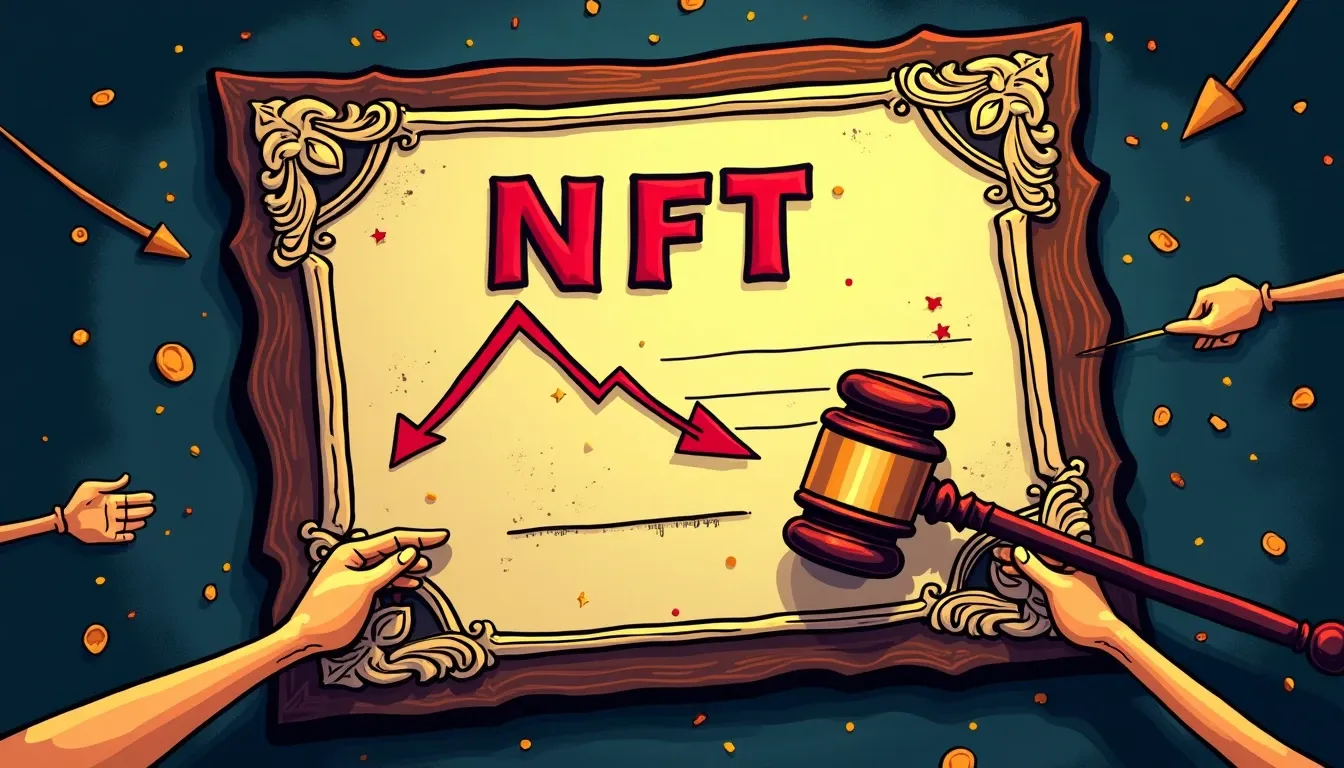
When NFT loan defaults occur, liquidation losses average 46.1% of collateral value. Grace periods, auction mechanics, and recovery rates differ across platforms.
Structural yield from protocol fees survived 2018-19 and 2022-23. Emissions-based strategies collapsed. Here are the tests to apply before committing capital.
FPPS vs PPLNS vs PPS mechanics, hidden fee identification, and the specific variables that shift real mining returns by 5-15% between pools.
Every depeg looks obvious afterward. The signals that mattered were visible beforehand, but ambiguous. Here's what was actually observable at the time.
32 ETH minimum, 24/7 uptime, hardware costs, and fee drag. Here's the break-even calculation between solo and pooled ETH staking after all costs.
The tax is rarely the problem. The records are. What to capture at the moment of each DeFi transaction, why exchange exports fail, and how to reconstruct.
Restaking stacks AVS yield on ETH staking but adds slashing risk from every protocol you opt into. How the security-sharing mechanism works, real yields, and where the risk hides.
The correct position size is the one where a total loss is annoying rather than ruinous. Here is the framework by portfolio size and protocol maturity.