
Crypto Tax Rates 2025: Short-Term, Long-Term, And Income
Federal crypto tax rates depend on holding period and income type. Long-term gains face 0-20%, short-term and staking rewards hit 10-37%. Here is the bracket math.
Federal crypto tax rates depend on holding period and income type. Long-term gains face 0-20%, short-term and staking rewards hit 10-37%. Here is the bracket math.

Staking rewards are taxed at receipt. Lending interest accrues with every block. LP fees have different rules for v2 and v3 pools. Here is the tax treatment of every yield mechanism.

Summ tracks 2,300+ DeFi protocols with on-chain indexing. Tested against CoinTracker, Koinly, and CoinLedger for multi-chain yield accuracy and cost basis handling.

Platforms claiming uncollateralized crypto loans require KYC, credit checks, or soft collateral lock. Here's what they don't tell you about Nexo, Ledn, and flash loans.

CoinLedger wins on pricing, CoinTracker wins on DeFi accuracy. Here is what actually breaks when you hand each platform a multi-protocol yield wallet.

'Decentralized wallet' is a marketing term with no technical meaning beyond self-custody. All non-custodial wallets share identical security models, regardless of branding.
CoinLedger charges $49 to $499 based on transaction count, but DeFi activity inflates that number faster than you expect. Staking rewards, LP deposits, and bridging all count.

Zapper shut down in August 2026. Here are the trackers that handle DeFi positions, tax reports, and chain coverage without handing your data to a server.

DeFi replaces banks, brokers, and exchanges with smart contracts. Here's what the primitives actually do, the risks they carry, and what DeFi has proven.

Koinly, CoinTracker, CoinLedger, and TokenTax differ on pricing, DeFi support, and jurisdiction coverage. Here is what each tool handles at realistic volumes.

DAOs manage $25B in treasuries through token voting. Theory promised decentralization. Reality delivered whale dominance, voter apathy, and execution bottlenecks.

Gas fees pay for block space and validator work. Learn how EIP-1559 pricing works, why fees spike during congestion, and how to reduce costs with L2s and timing.

Layer 2 rollups batch thousands of transactions off Ethereum, settling them onchain with cryptographic proofs. Here's how optimistic and ZK rollups differ.

Arbitrum leads DeFi, Base leads consumer apps, zkSync leads ZK infrastructure. Here's how TVL, fees, security model, and ecosystem fit determine which L2 you should use.

Most 'free Bitcoin' methods pay under $2/hour. Only exchange promotions and cashback cards deliver real value. Here are the actual dollar-per-hour calculations.
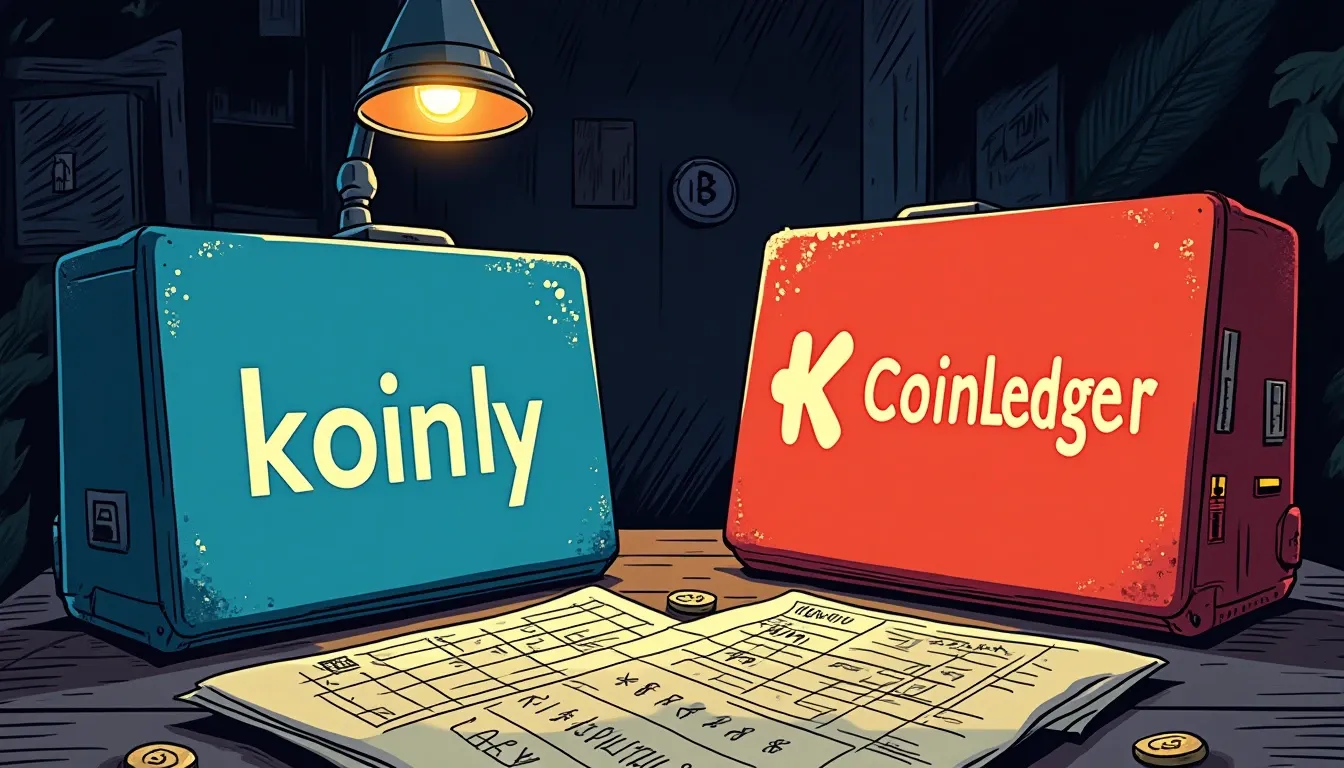
Koinly and CoinLedger compared on integration counts, DeFi position handling, pricing tiers, free tier limits, supported jurisdictions, and documented gaps.