
How To Evaluate A Crypto Yield Opportunity Safely
Framework for evaluating yield before you deposit: source-of-return test, sustainability signals, risk stack, and the specific stress tests to apply.
Framework for evaluating yield before you deposit: source-of-return test, sustainability signals, risk stack, and the specific stress tests to apply.
Argentina, Turkey, Nigeria, Lebanon all followed the same four-stage sequence: dollar demand rises, stablecoins follow, yield opportunities emerge, income spreads open.

Which DeFi protocols US users can access legally in 2026. Covers IP blocks, SEC enforcement risk, the distinction between using vs. providing service, and how to evaluate new protocols.
Argentina, Turkey, Nigeria, Lebanon all followed the same four-stage sequence: dollar demand rises, stablecoins follow, yield opportunities emerge, spreads appear.
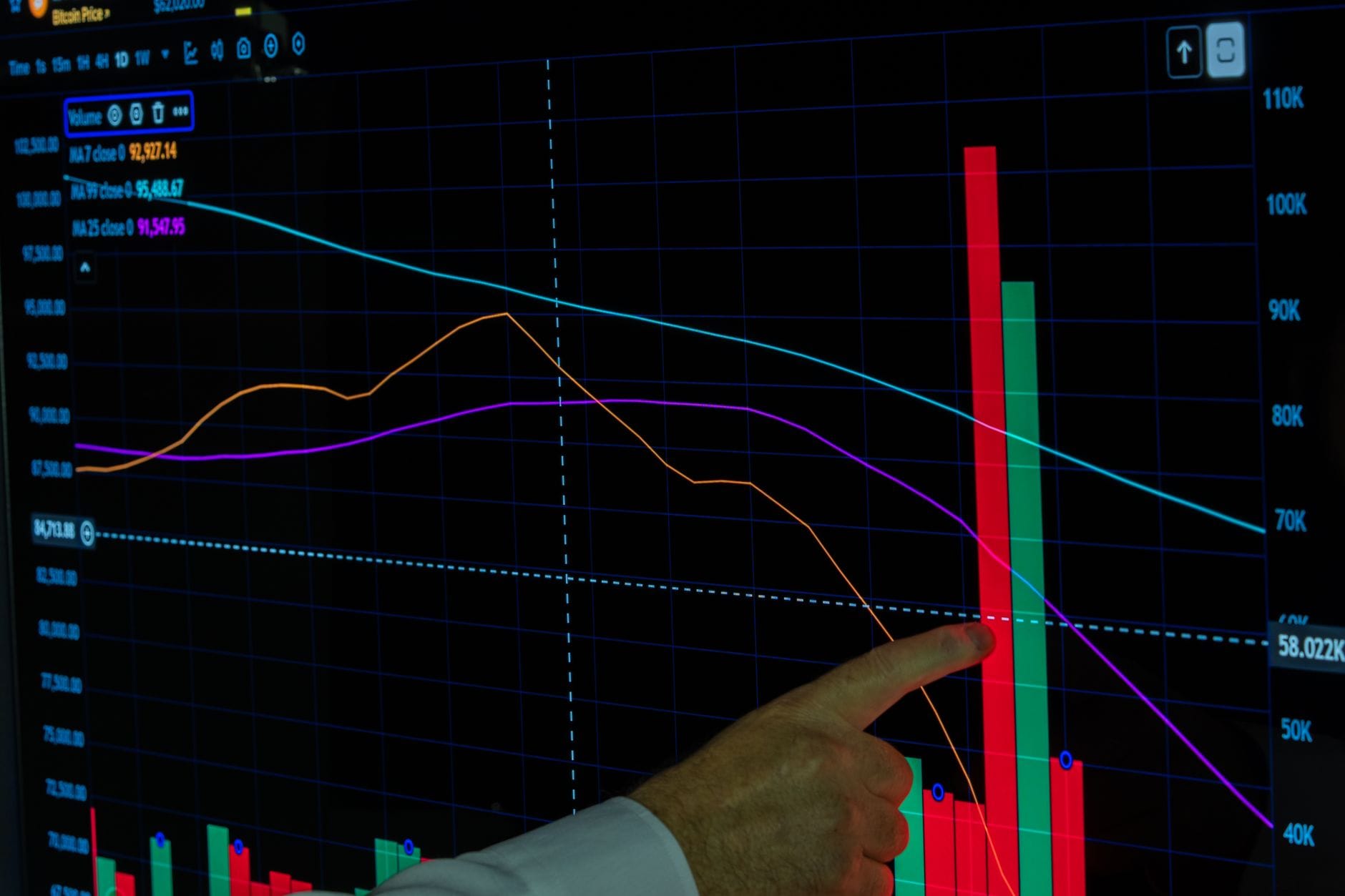
Framework for valuing NFTs before purchase. Floor price context, rarity scoring, holder distribution analysis, and signals that separate sustained value from hype.

Lido's $24B TVL offers unmatched liquidity. Rocket Pool's 3,900 permissionless nodes maximize decentralization. Compare fees, yields, and decide which fits your priorities.

Yield farming in 2026 is not the same degen play as 2021. Here's the due diligence framework, position sizing rules, and red flags that separate sustainable yield from Ponzi mechanics.
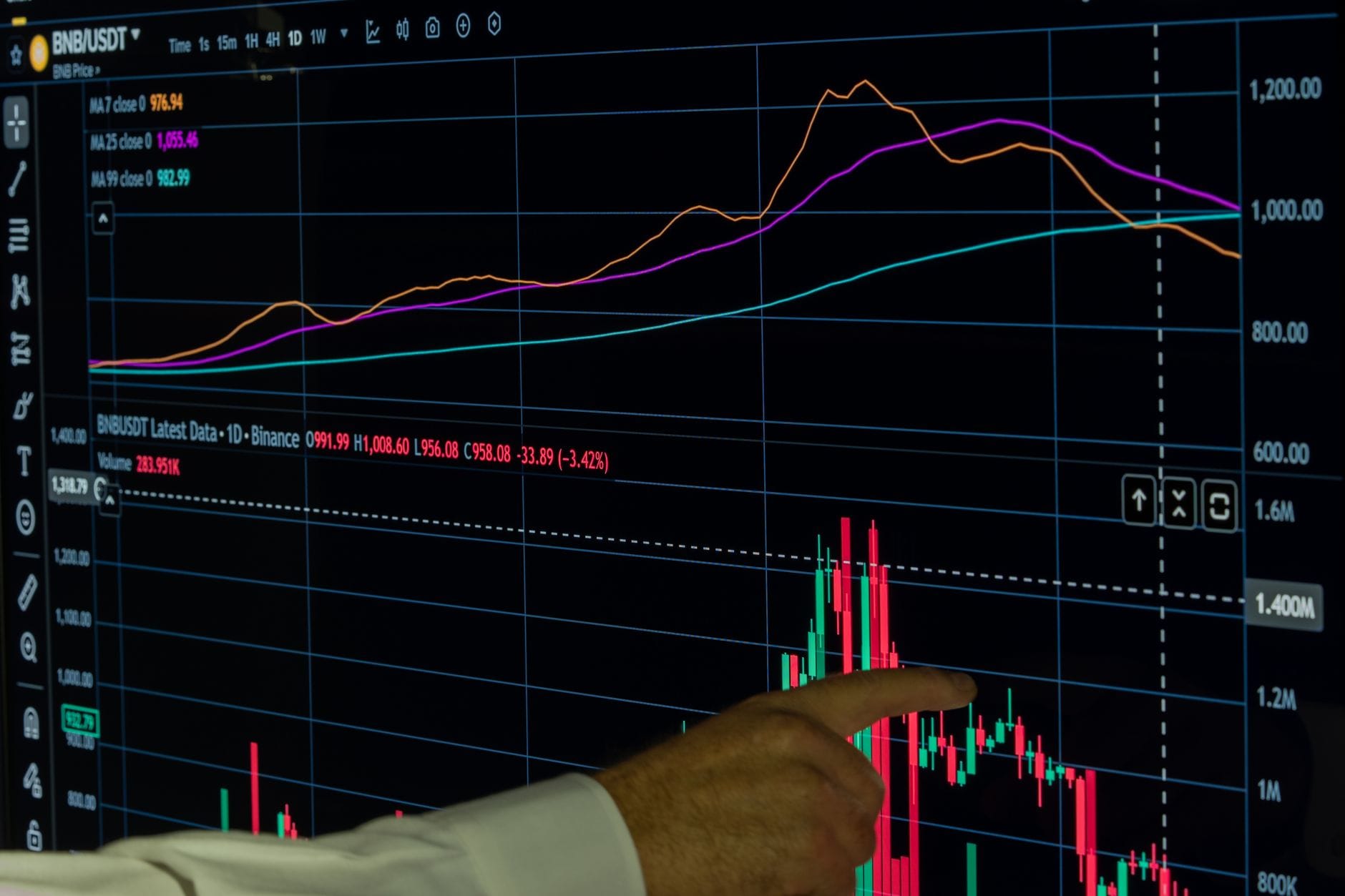
Concentrated liquidity on Uniswap v3/v4 earns 5-50x more fees than V2, but only if price stays in range. Here's the mechanism, the math, and the failure modes.
Supply USDC to Aave, Morpho, or Compound and earn 3.5-8% APY. Here's how the variable-rate mechanism works, where yield comes from, and what breaks first.

Impermanent loss occurs when providing liquidity to AMMs. The mechanism, worked examples, when fees offset it, and why over 50% of LPs lose money.
Step-by-step NFT flipping playbook for 2026. Blue-chip cycling, mint arbitrage, marketplace fee math, and where flipping still works in a shrinking market.

Which DEX aggregator delivers the best execution for your trade size? 1inch, Matcha, CoWSwap, ParaSwap, LI.FI, and Odos compared on routing, fees, and MEV protection.

Category-organized review of leading DeFi protocols covering lending, DEXs, derivatives, and yield aggregators with TVL data, yield sources, and failure modes.
Step-by-step guide to becoming a liquidity provider on Uniswap and Curve. Fee tier selection, concentrated liquidity ranges, and the impermanent loss math that determines profitability.
Staking offers 3-8% APY with protocol risk. Lending delivers 3-5% with counterparty risk. Here's which fits your portfolio and when to use each.
Uniswap V3's concentrated liquidity dominates volatile pairs. Curve's StableSwap minimizes slippage on stablecoins. Each DEX solves a different problem.