How To Evaluate An ICO Or IDO Before You Commit Capital
Fewer than 22% of IDOs hold their launch price after 30 days. Here is the 15-minute evaluation checklist that separates viable projects from rug pulls.
Fewer than 22% of IDOs hold their launch price after 30 days. Here is the 15-minute evaluation checklist that separates viable projects from rug pulls.
Every yield list implies you should move. The arithmetic shows otherwise. Gas, slippage, unbonding, and tax events make most moves unprofitable below $10,000.
CoinList offers the best historical track record but blocks US users. DAO Maker requires 2,000 DAO tokens. Fjord uses LBPs for fair price discovery.

Three NFT rental protocols handle fees, collateral, and default risk differently. Platform mechanics create distinct risk and return profiles for the same asset.
Most 'free Bitcoin' methods pay under $2/hour. Only exchange promotions and cashback cards deliver real value. Here are the actual dollar-per-hour calculations.
Three platforms paying 3.5%, 3.8%, and 4.7% on USDC carry the same counterparty risk. The gap is brand inertia and fee opacity, not risk difference.
Pseudonymous with a verifiable build history is a different risk from anonymous with none. Here is how to check GitHub commits, prior outcomes, and position sizing.
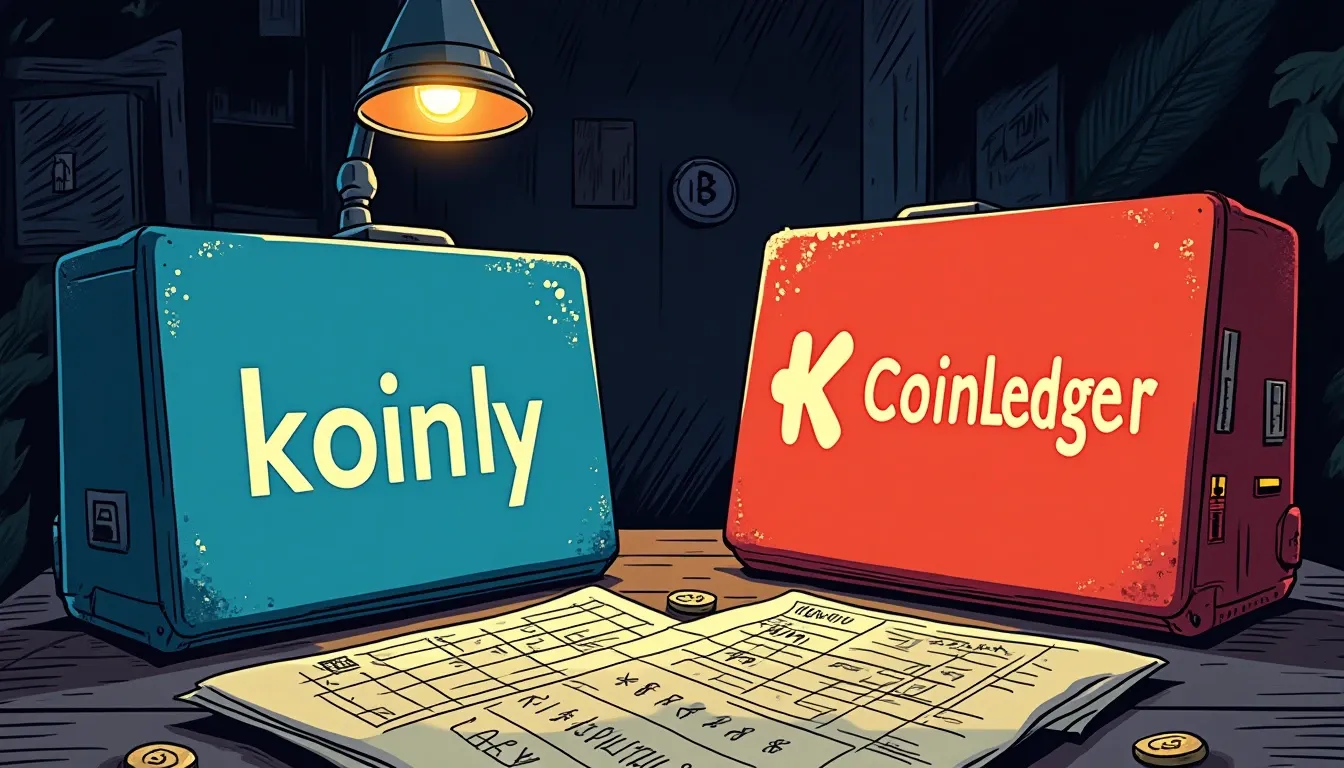
Koinly and CoinLedger compared on integration counts, DeFi position handling, pricing tiers, free tier limits, supported jurisdictions, and documented gaps.
Midas RWA USDC, Curve FRAX-USDE, and Sparklend USDT positions all vanished from yield trackers in March 2025. Here's what changed, whether capital was at risk, and where to reallocate.
Most hardware wallet reviews test cold storage. Signing a contract interaction is a different job, and blind signing is where people lose money. Judge on clear signing.
Most NFT royalties are marketplace-optional, not on-chain enforcement. Here's the technical mechanism, which platforms still pay, and realistic creator income data.
Grid bots profit from range-bound volatility by capturing spreads. The mechanism is sound until the market trends. Here's what breaks it, with real drawdown numbers.

At $5,000 a 1% rate gap costs $50 annually. At $100,000 it costs $1,000. Here is the arithmetic of leaving capital in below-market venues and when switching stops being worth the effort.
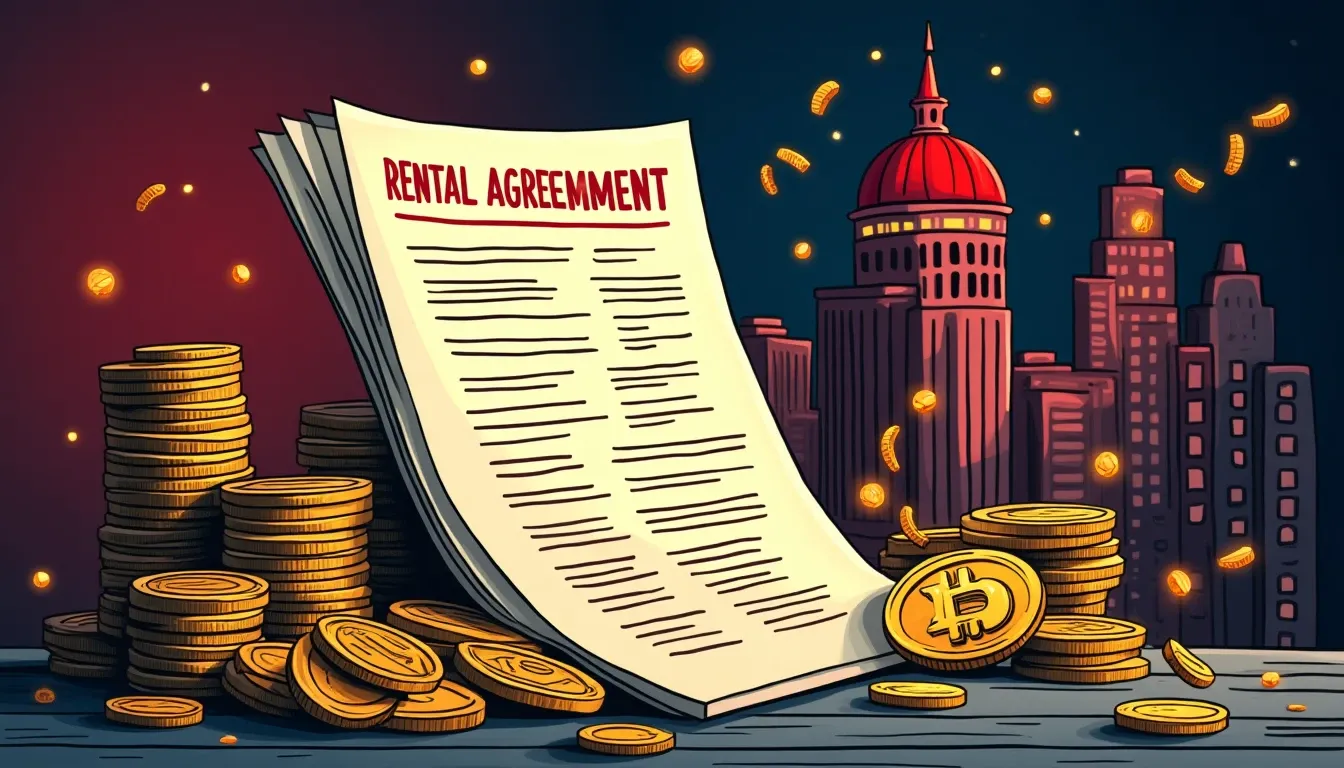
Earn 1-10% monthly by renting gaming NFTs, metaverse land, and membership passes through collateralized and collateral-free protocols with real utility demand.

Most exchange comparisons optimize for traders. Someone buying stablecoins to deploy into DeFi has entirely different requirements, and the usual rankings mislead them.
Uniswap cut LP fees by 17%. Aave changed liquidation thresholds. Most providers lost 2-5% before they noticed. Here is the checklist that catches changes before they cost you.