
How To Earn Yield On Bitcoin: Real Options In 2026
Bitcoin traditionally generates no native yield. Babylon staking, wrapped BTC DeFi, CEX accounts, and Lightning network channels offer real paths in 2026.
Through my work, I aspire to be a source of knowledge and inspiration for those exploring the dynamic and exciting world of cryptocurrencies.
Bitcoin traditionally generates no native yield. Babylon staking, wrapped BTC DeFi, CEX accounts, and Lightning network channels offer real paths in 2026.
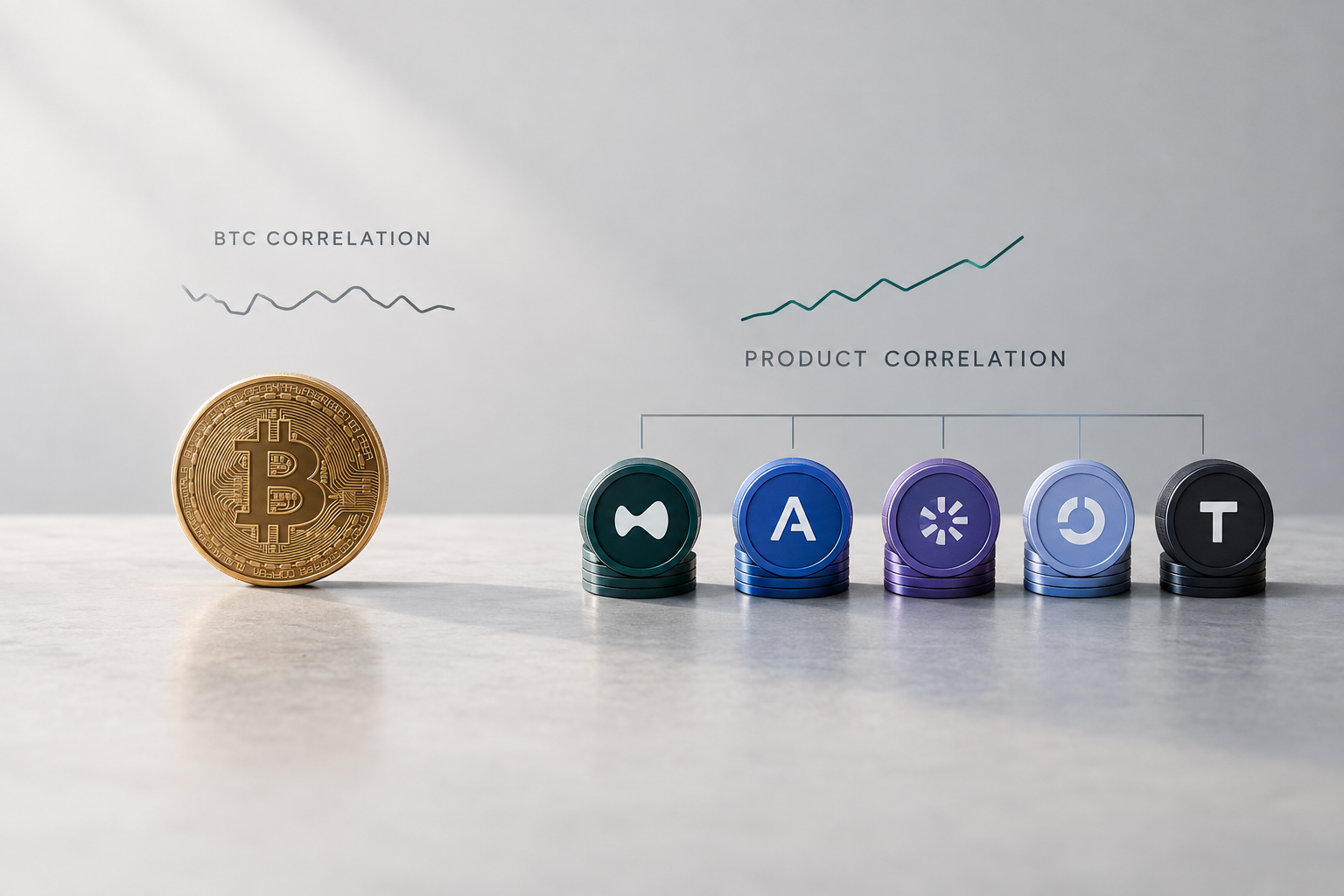
Every founder who has watched their token bleed through a good quarter has heard the same consolation.

Hunter Biden's LAPTOP memecoin crashed from $190 to under $4 within minutes of its September 9 debut on Base. Onchain records reveal why this was never a fair launch.

Your first staking position walkthrough: platform selection, realistic APY expectations, lockup risks, and the path from exchange staking to liquid staking tokens.

Staking SOL pays 5-8% APY through native delegation or liquid staking derivatives. Here's the validator selection criteria, unstaking mechanics, and why JitoSOL beats mSOL.

Framework for evaluating yield before you deposit: source-of-return test, sustainability signals, risk stack, and the specific stress tests to apply.

The SEC moved on tokenized securities infrastructure. DeFi lost $215 million in August. Stablecoin regulation converged globally. Here's what mattered.

Lido's $24B TVL offers unmatched liquidity. Rocket Pool's 3,900 permissionless nodes maximize decentralization. Compare fees, yields, and decide which fits your priorities.

PONS routed 80% of protocol revenue into buybacks, posting a 30.85% daily gain. Arbitrum's open interest reached 1.58 billion ARB, the highest on record.

Lido stETH dominates DeFi. Rocket Pool rETH decentralizes validators. Coinbase cbETH offers regulatory comfort. Each LST yields 2-3% APY but with different risk profiles.

Set up portfolio tracking that works across exchanges, wallets, and chains. Read-only API keys, privacy trade-offs, and tax-ready reporting explained.

To make a cross-chain swap without a centralized exchange, you need a cross-chain swap interface that can coordinate the exchange between the source and destination blockchains.

Solo staking needs 32 ETH and hardware. Pools let you start with 0.01 ETH. Liquid staking gives you tradable tokens. Here's the yield, risk, and capital trade-off for each.

Step-by-step guide to buying Bitcoin: choosing exchanges, verification, funding, placing orders, and moving to self-custody without costly mistakes.

Strategy purchased 4,603 BTC for $370 million after a 10-week pause. The timing signals institutional confidence as Bitcoin recovers from bear market lows.

Staking offers 3-8% APY with protocol risk. Lending delivers 3-5% with counterparty risk. Here's which fits your portfolio and when to use each strategy.