
The Real Historical Returns On IDO Participation
IDO marketing advertises 500x Day-1 returns. The median 12-month return across full 2021-2023 cohorts, survivorship-adjusted, tells a different story.
IDO marketing advertises 500x Day-1 returns. The median 12-month return across full 2021-2023 cohorts, survivorship-adjusted, tells a different story.

Staking locks capital to secure proof-of-stake networks. Validators earn inflation, fees, and MEV. Nominal APY minus inflation equals real yield. Here's the full mechanism.

Ethereum requires 32 ETH to solo stake, Solana locks for 2-3 days, Cardano has no unbonding. Here are the real minimums, lock periods, and net yields after fees.
Analysis of 20+ historical airdrops reveals which on-chain behaviors protocols actually rewarded: transaction volume, duration, liquidity provision, and governance participation.
Lido offers 2.5% net yield on $27.6B TVL. Rocket Pool pays 2.94% with 4,000 permissionless nodes. Marinade delivers 6-7.5% on Solana. Depeg events erase months of gains.

Blur NFT marketplace closes after trading volumes collapsed 99% from peak. The shutdown reveals how token incentives fail to build durable trading activity.
Coinbase charges 35% commission on ETH rewards, Lido takes 10%, solo staking takes none. Net yield after fees matters more than headline APY.

Binance takes 72 hours, Coinbase charges 1% instant fees, Crypto.com claws back rewards. Here is the actual exit timeline and penalty structure across four major earn programs.
Real yield comes from protocol fees, spread, and external revenue. Fake yield comes from token emissions, subsidies, and recycled deposits. The question that separates them: where does the money actually come from?
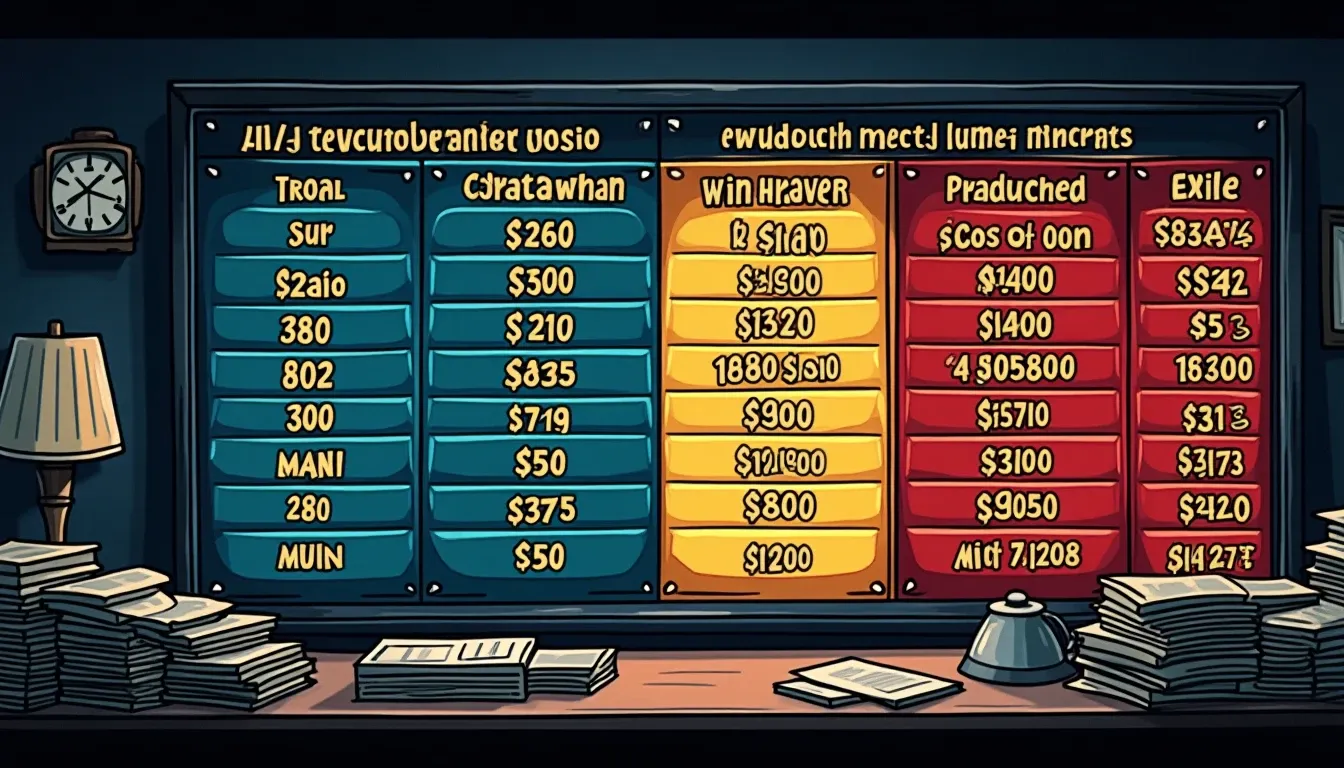
Coinbase, Kraken, Binance, Gemini, and OKX compared by ACH speed, stablecoin depth, and total friction cost from fiat deposit to self-custody yield position.

Binance charges up to 40% commission, Kraken up to 30%, Coinbase up to 35%. The difference is not just fees. It is who bears slash risk and what happens during insolvency.
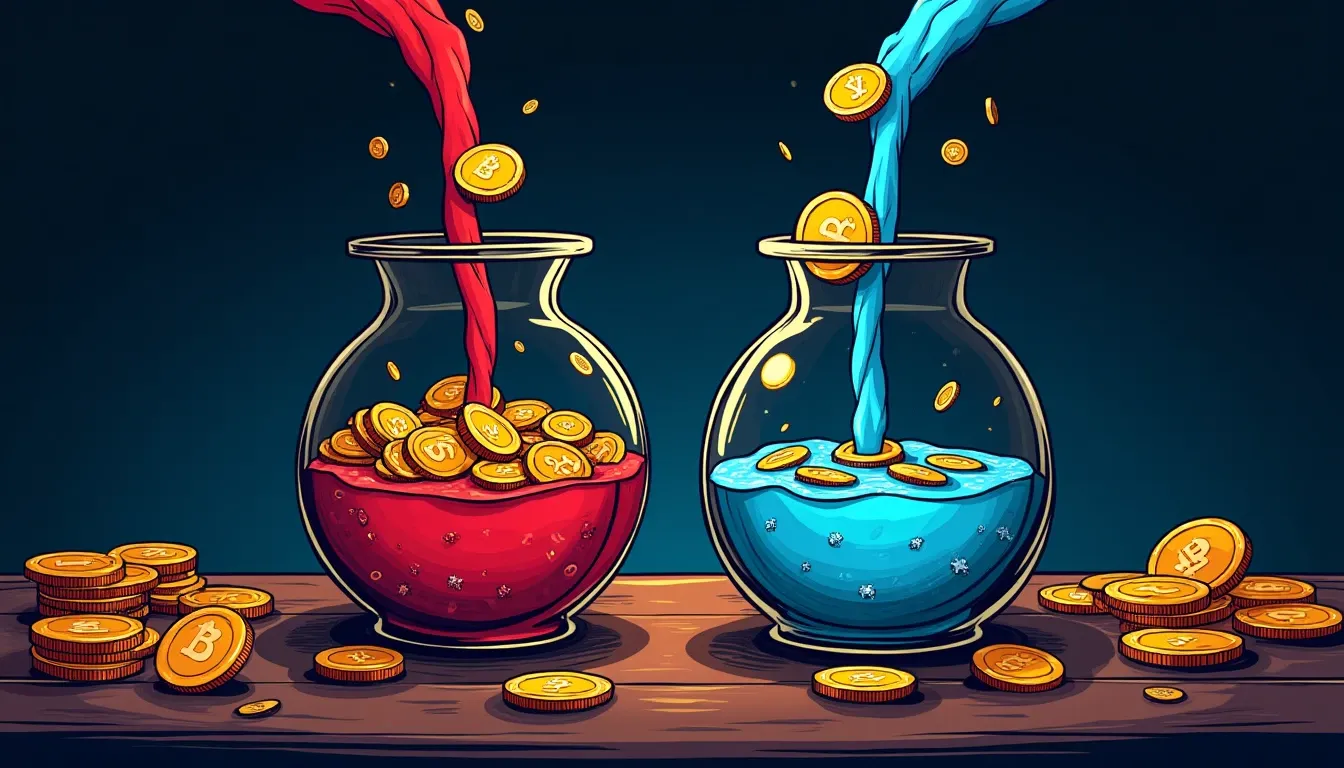
Yield farming pays fees plus token rewards. The fees are sustainable income. The token rewards often dilute. Here's the mechanism breakdown, impermanent loss math, and when farming makes sense.

Form 8949 reports realized crypto losses. The IRS allows $3,000 annually against income, but carryforward mechanics determine multi-year yield positions.
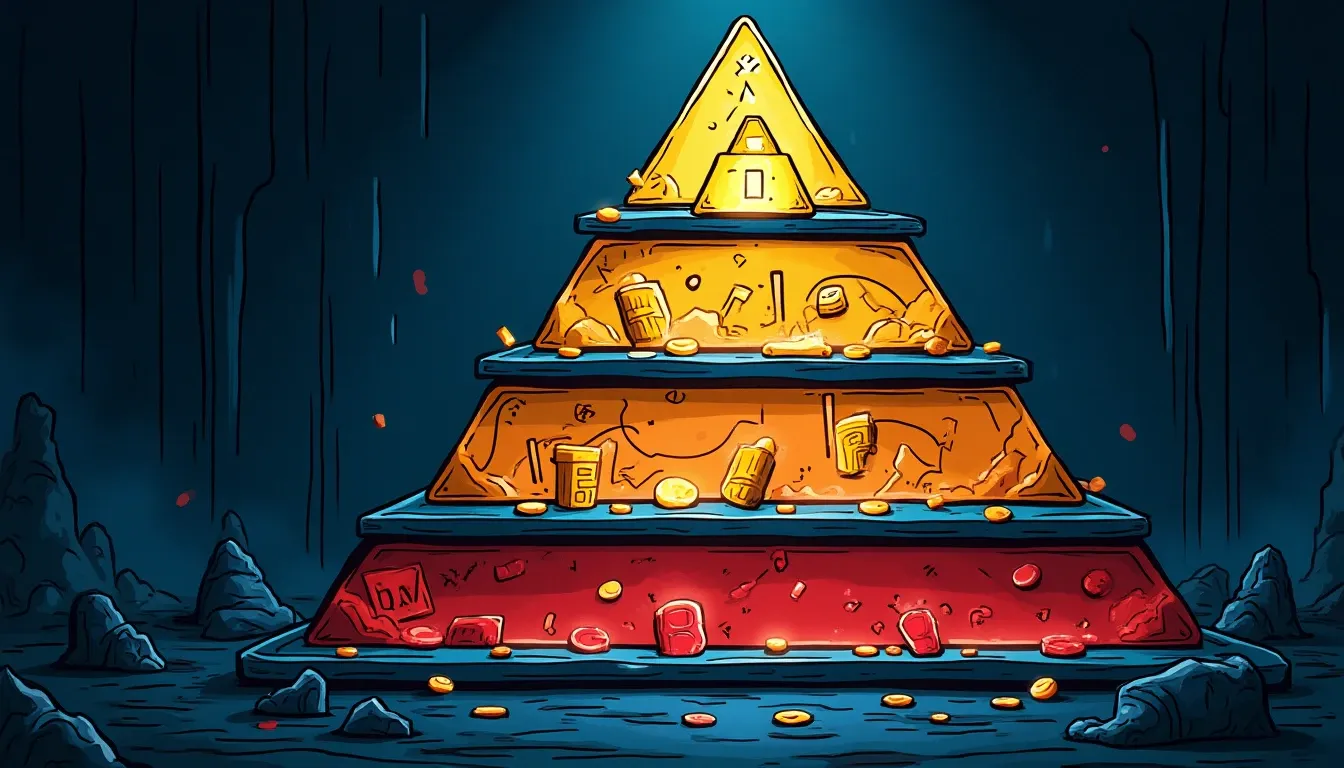
Real DeFi yield means verifiable income sources: Aave lending at 4-8%, Curve LP fees, Pendle fixed rates. Here is the risk stack framework and protocol selection logic.

Meanwhile raised $37.5 million for Bitcoin-denominated life insurance. The funding round led by Bain Capital Crypto signals a shift in how institutional capital views BTC yield.

GPU miners retain 40-60% resale value after four years. ASICs drop to 10% after two. That difference changes the entire profitability equation.