Best Crypto Wallets For Beginners Deploying Yield Capital
MetaMask, Rabby, Rainbow, and hardware wallets compared by transaction signing clarity, approval management, and multi-chain support for DeFi yield.
MetaMask, Rabby, Rainbow, and hardware wallets compared by transaction signing clarity, approval management, and multi-chain support for DeFi yield.
Framework for selecting which testnets to participate in based on team credibility, funding, and historical payout ratios. Time invested versus token allocation reality.
Zapper shut down in August 2026. Here are the trackers that handle DeFi positions, tax reports, and chain coverage without handing your data to a server.

DeFi replaces banks, brokers, and exchanges with smart contracts. Here's what the primitives actually do, the risks they carry, and what DeFi has proven.

sUSDe pays 7.1%, sUSDS pays 3.6%, sFRAX pays 4.1%, USDY pays 4.65%. Four yield-bearing stablecoins with entirely different risk stacks. Here's how to deploy under $1,000.

DAOs manage $25B in treasuries through token voting. Theory promised decentralization. Reality delivered whale dominance, voter apathy, and execution bottlenecks.
Gas fees pay for block space and validator work. Learn how EIP-1559 pricing works, why fees spike during congestion, and how to reduce costs with L2s and timing.

Layer 2 rollups batch thousands of transactions off Ethereum, settling them onchain with cryptographic proofs. Here's how optimistic and ZK rollups differ.
Fewer than 22% of IDOs hold their launch price after 30 days. Here is the 15-minute evaluation checklist that separates viable projects from rug pulls.
Most 'free Bitcoin' methods pay under $2/hour. Only exchange promotions and cashback cards deliver real value. Here are the actual dollar-per-hour calculations.
Pseudonymous with a verifiable build history is a different risk from anonymous with none. Here is how to check GitHub commits, prior outcomes, and position sizing.

Most small-cap tokens never recover their peak values. This comparison examines drawdown depth, liquidity, recovery rates, and position sizing across market cap tiers.
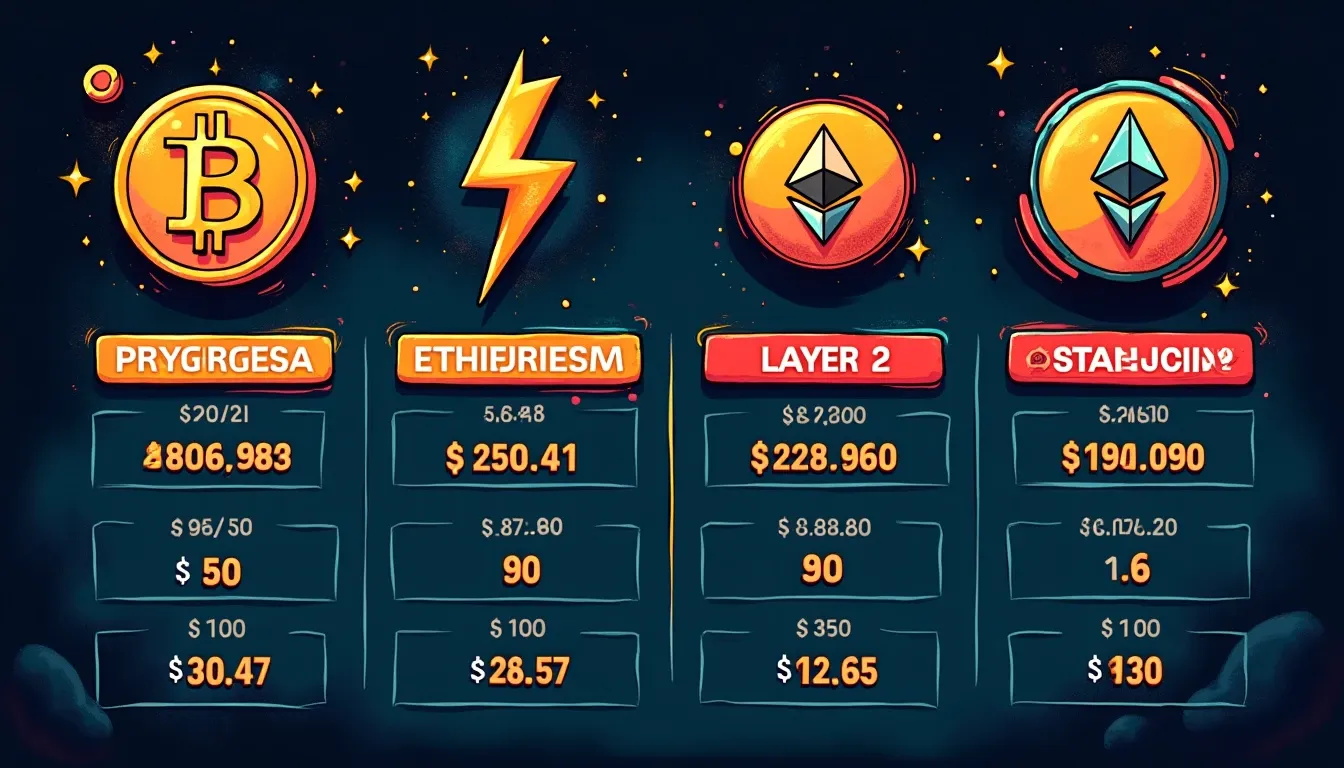
A venue with the lowest trading fee and the highest withdrawal fee is the wrong choice for anyone moving to self-custody. Here is the real cost by network and position size.

Ledger, Trezor, Coldcard, and four others compared on security architecture, coin support, and firmware track record. Here's which wallet matches your holdings.
Hardware, mobile, desktop, and browser extension wallets compared by security architecture, chain support, and user profile fit. The right wallet depends on use case.
Most retail traders lose money. This guide covers position sizing, order types, why DCA beats active trading, and the specific approach that works for beginners.