The Terms Can Change After You Deposit. Here Is Where To Look
DeFi protocols change fees, collateral factors, and emissions after you deposit. Governance votes on these changes days before they execute, if you know where to look.
DeFi protocols change fees, collateral factors, and emissions after you deposit. Governance votes on these changes days before they execute, if you know where to look.
RLUSD launched on Aave V3 at 4.98% APY with $133M TVL. Here is the repeatable 72-hour risk checklist for new stablecoin listings before you commit capital.
Monetize rare NFT traits through collateralized lending, rental premiums, and trait-gated airdrops. Extract ongoing income without triggering a taxable sale.
Bitget confirmed a $351.6M hot wallet breach via spoofed backend transfer data. Withdrawals remain frozen. Here's the counterparty risk exposure for DeFi users.
Usual's rate jumped 2.5pp to 6.06% on $503M TVL. The protocol says 100% RWA-backed yield with zero token incentives. Here's what the wallets show.

Every yield list implies you should move. The arithmetic shows otherwise. Gas, slippage, unbonding, and tax events make most moves unprofitable below $10,000.
Most crypto tax software handles exchange trades. Almost none handle rebasing LSTs, LP positions, or multi-chain DeFi correctly. Here is what each platform actually documents.

Three NFT rental protocols handle fees, collateral, and default risk differently. Platform mechanics create distinct risk and return profiles for the same asset.
Ethena's sUSDe pays 7% APY through a delta-neutral basis trade. The yield comes from funding rates, staking rewards, and T-bills - but October 2025 proved what happens when the mechanism flips.
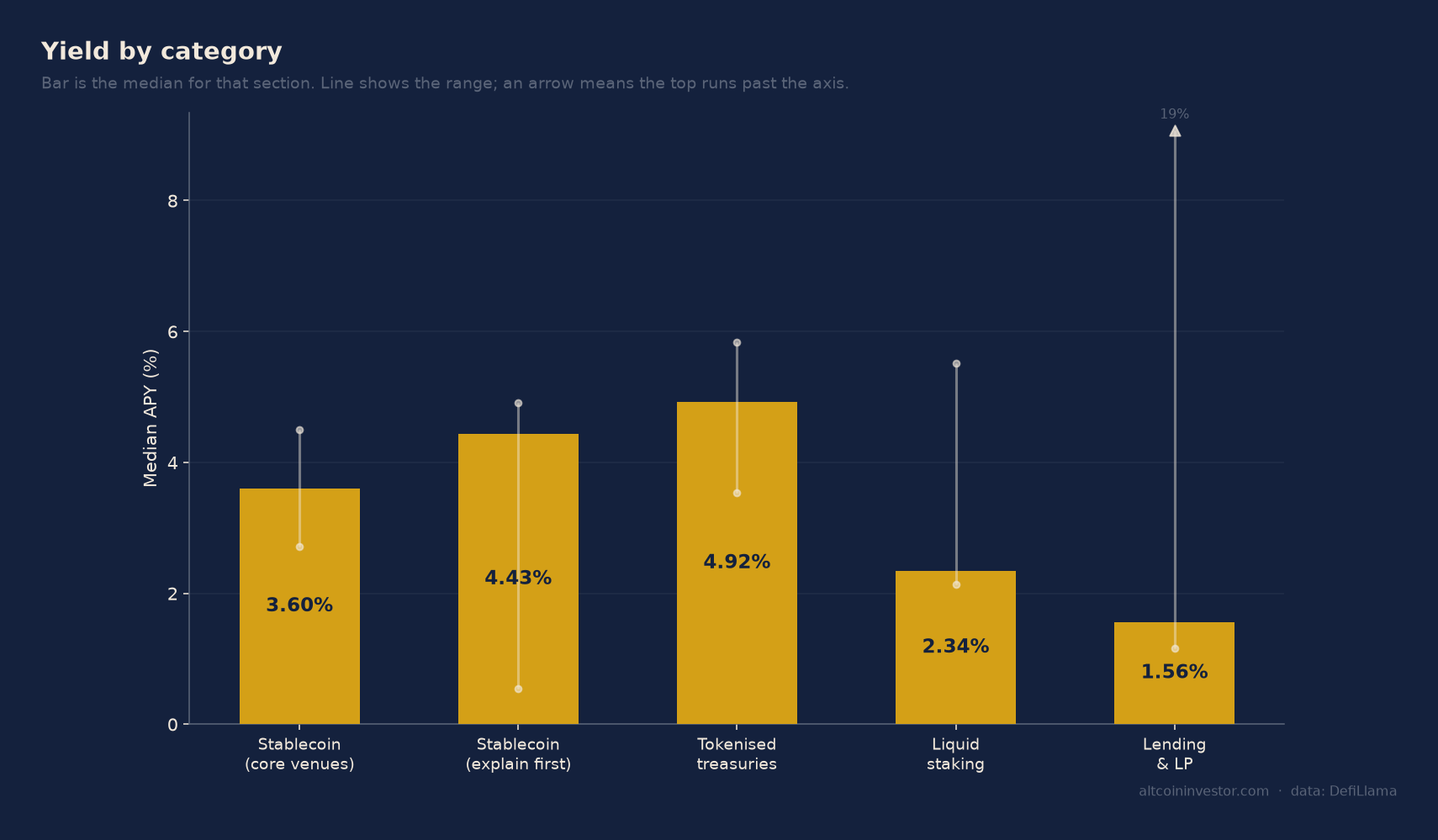
Uniswap v3 USDC-WETH yields dropped 9.27 percentage points to 10.13%, while compound USDC fell from 5.76% to 3.23%. Four Curve pools disappeared from the dataset entirely.
Frgmnt's stablecoin protocol now delivers on-chain lending yields through regulated custody infrastructure, generating 13.32% from DeFi markets without requiring institutions to manage wallets.
Three platforms paying 3.5%, 3.8%, and 4.7% on USDC carry the same counterparty risk. The gap is brand inertia and fee opacity, not risk difference.

Midas RWA USDC, Curve FRAX-USDE, and Sparklend USDT positions all vanished from yield trackers in March 2025. Here's what changed, whether capital was at risk, and where to reallocate.
Solana DEXs logged 208 million weekly trades, topping NYSE's 189 million. The milestone reveals institutional flows into 24/7 tokenized equity venues with direct yield implications.
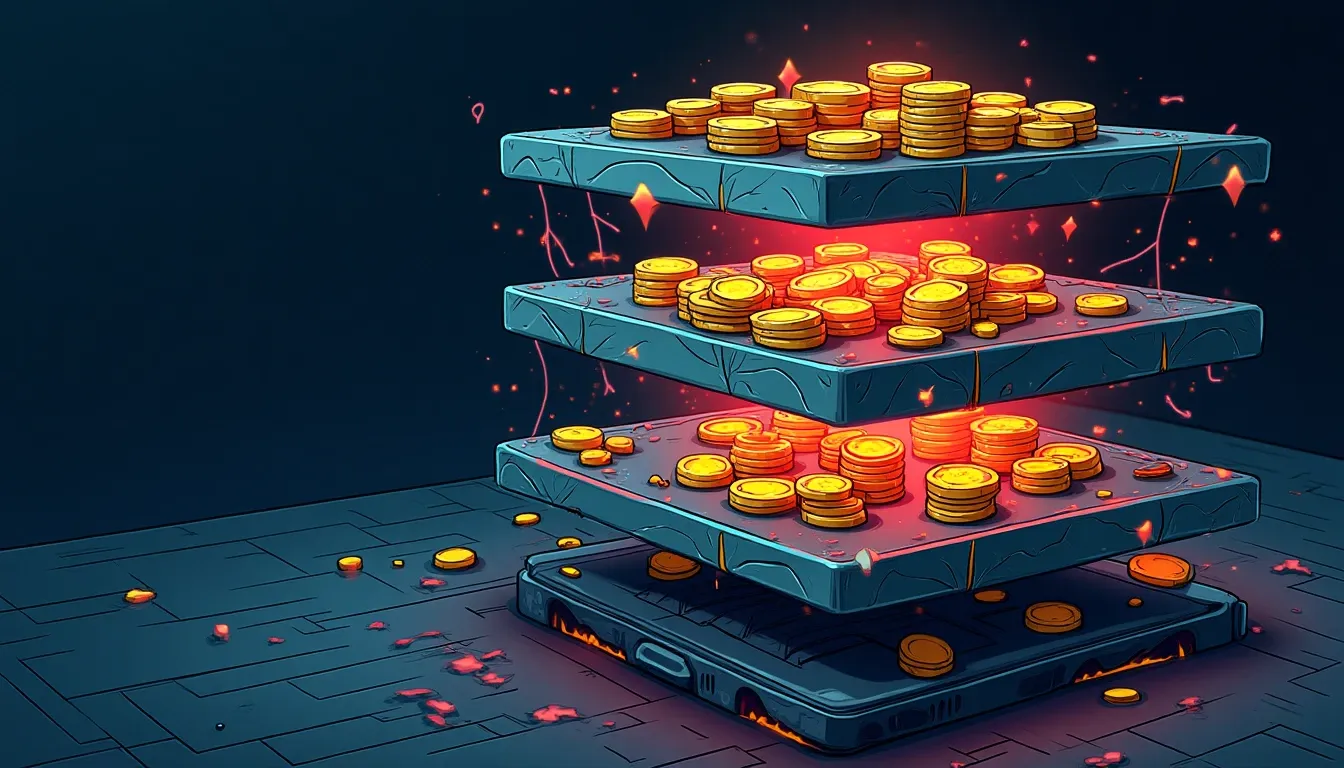
Restaking yield stacks three layers: base staking, AVS payments, and points programs. Each has a different source and failure mode. Here is what happened the last time TradFi tried this.

At $5,000 a 1% rate gap costs $50 annually. At $100,000 it costs $1,000. Here is the arithmetic of leaving capital in below-market venues and when switching stops being worth the effort.