
What Crypto Mining Produces: Rewards, Costs, And ROI At Current Difficulty
Crypto mining earns block rewards plus fees, but electricity and difficulty adjustments determine whether you profit. Here's the real breakeven math at 2026 conditions.
Crypto mining earns block rewards plus fees, but electricity and difficulty adjustments determine whether you profit. Here's the real breakeven math at 2026 conditions.

Spot Bitcoin ETFs charge 0.14-1.5% annually. Ethereum ETFs cost 0.20-2.91% and skip staking yield. Direct ownership plus staking beats ETF wrappers unless you need an IRA.
Earn 3.6-8.5% APY on stablecoins via DeFi lending, yield aggregators, and CeFi platforms. Compare realistic rates, fees, and risk factors that determine which venue fits your capital.

Platforms claiming uncollateralized crypto loans require KYC, credit checks, or soft collateral lock. Here's what they don't tell you about Nexo, Ledn, and flash loans.

iTrustCapital offers Ethereum and Solana staking inside IRAs but retains 22% of rewards. The tax deferral benefit offsets fees only in narrow cases.

Rakeback rates advertise 25%, but effective returns differ wildly. Here's the actual math at three volume levels across Rollbit, Stake, and BC.Game.

CoinLedger wins on pricing, CoinTracker wins on DeFi accuracy. Here is what actually breaks when you hand each platform a multi-protocol yield wallet.

'Decentralized wallet' is a marketing term with no technical meaning beyond self-custody. All non-custodial wallets share identical security models, regardless of branding.
Binance Earn advertises 3-4% on ETH. The question worth answering is where that yield comes from, who controls your capital, and what happens when stress arrives.
Most users get 10% of their expected IDO allocation. Here is the math on tier upgrades, staking lock-ups, and when secondary market entry beats launchpad access.
Wallets don't store coins. They manage private keys and sign transactions. Understanding custody trade-offs prevents capital loss from exchange failure or seed phrase compromise.

Hardware wallets secure your keys but slow your transaction flow. Mobile wallets sign fast but expose you to phishing. For yield allocators moving capital across chains, here is what matters.
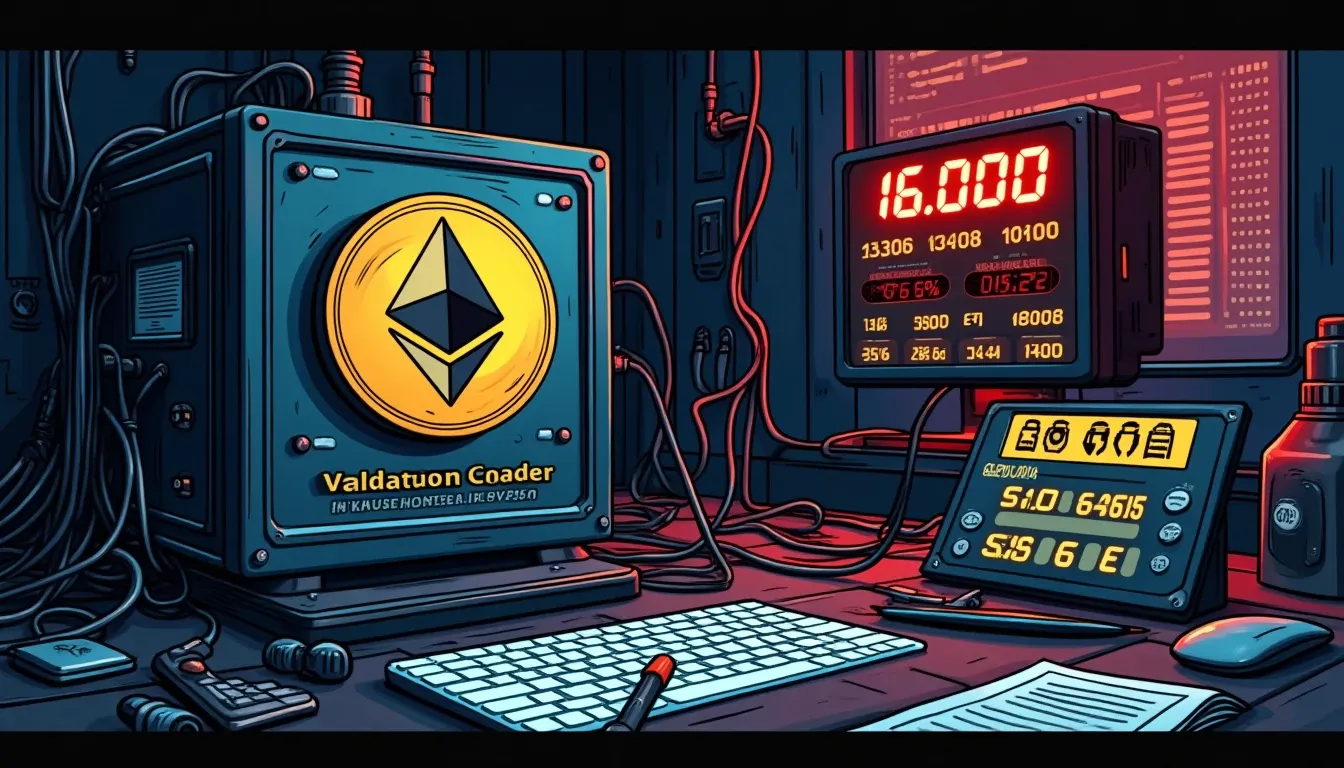
Most staking APY numbers ignore validator fees, slashing risk, and inflation. Here's how rewards are calculated and what reduces your net return.

Liquidity pools pay swap fees and token incentives, but impermanent loss often erases the income. Here is the breakeven analysis most dashboards omit.

Most staking APY numbers ignore token inflation. Ethereum pays 4% with 0.5% inflation. Cosmos pays 18.5% with 12% inflation. Here's how to calculate what you actually earn.
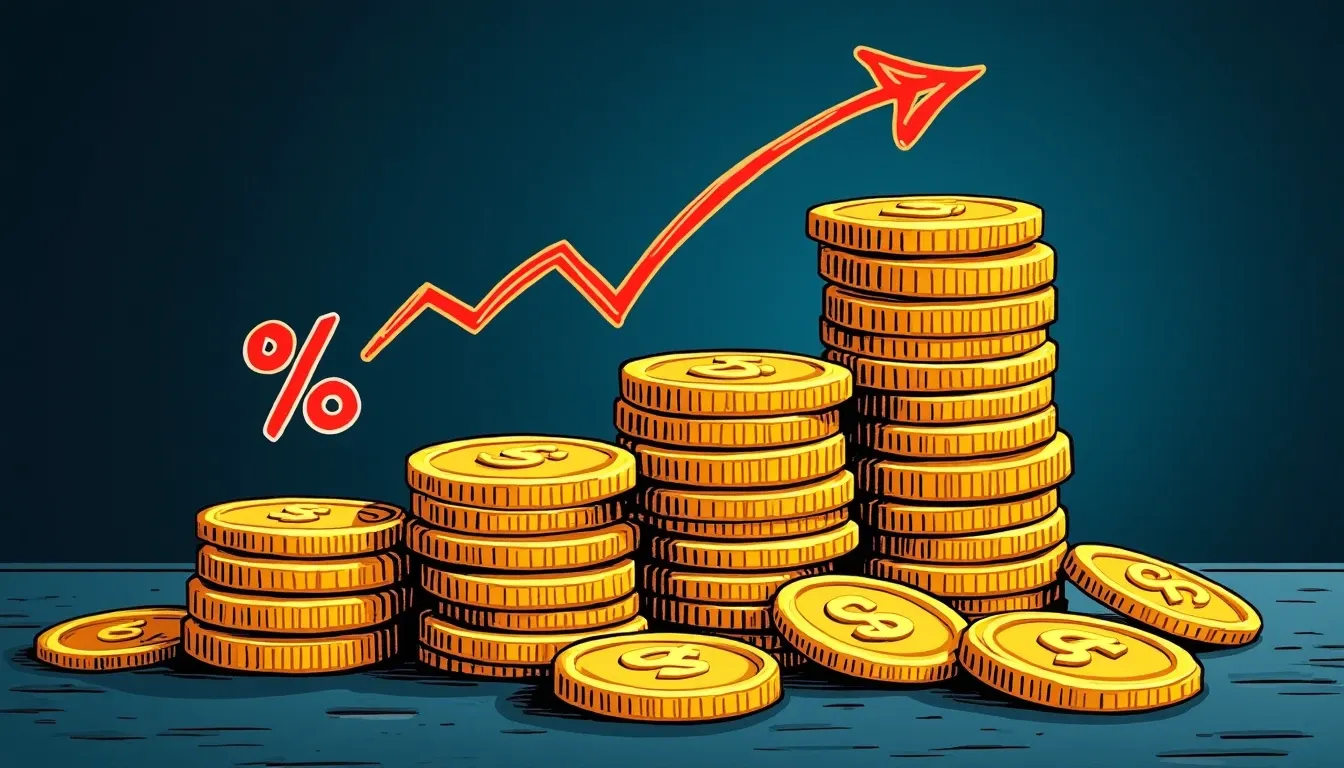
Cosmos shows 18.5% APY but delivers 2-8% real yield after inflation. Ethereum yields 3-4% with minimal dilution. Here's what the numbers show across five networks.